The route
The stops
- Barcelona29 July
- Tel Aviv (airport)29 July · by plane
- Nazareth29 July · by coach
- Zababdeh
- Nablus
- Duma
- Jerusalem5 August
- Bethlehem
Holy Land 2019, from Nazareth to Bethlehem
A hundred and forty kilometres on foot through Palestine in Mary’s footsteps, welcomed by the small Arab Christian communities, all the way to Calvary and the grotto of Bethlehem.
When Fr Ferran suggested a pilgrimage to the Holy Land, their excitement was immediate. After years of preparation, with everyone’s effort and the prayers of family and friends, some thirty pilgrims flew to Tel Aviv on 29 July 2019. They went with the parish of Santa Maria del Mar in Palamós and its parish priest, Fr Pedro Narbón, and with a sherpa, Pedro Judez. Mary’s letters went with them, and they wanted to walk the way from Nazareth to Bethlehem, similar to the one Joseph and Mary might have made before the Child was born.
Through Palestine
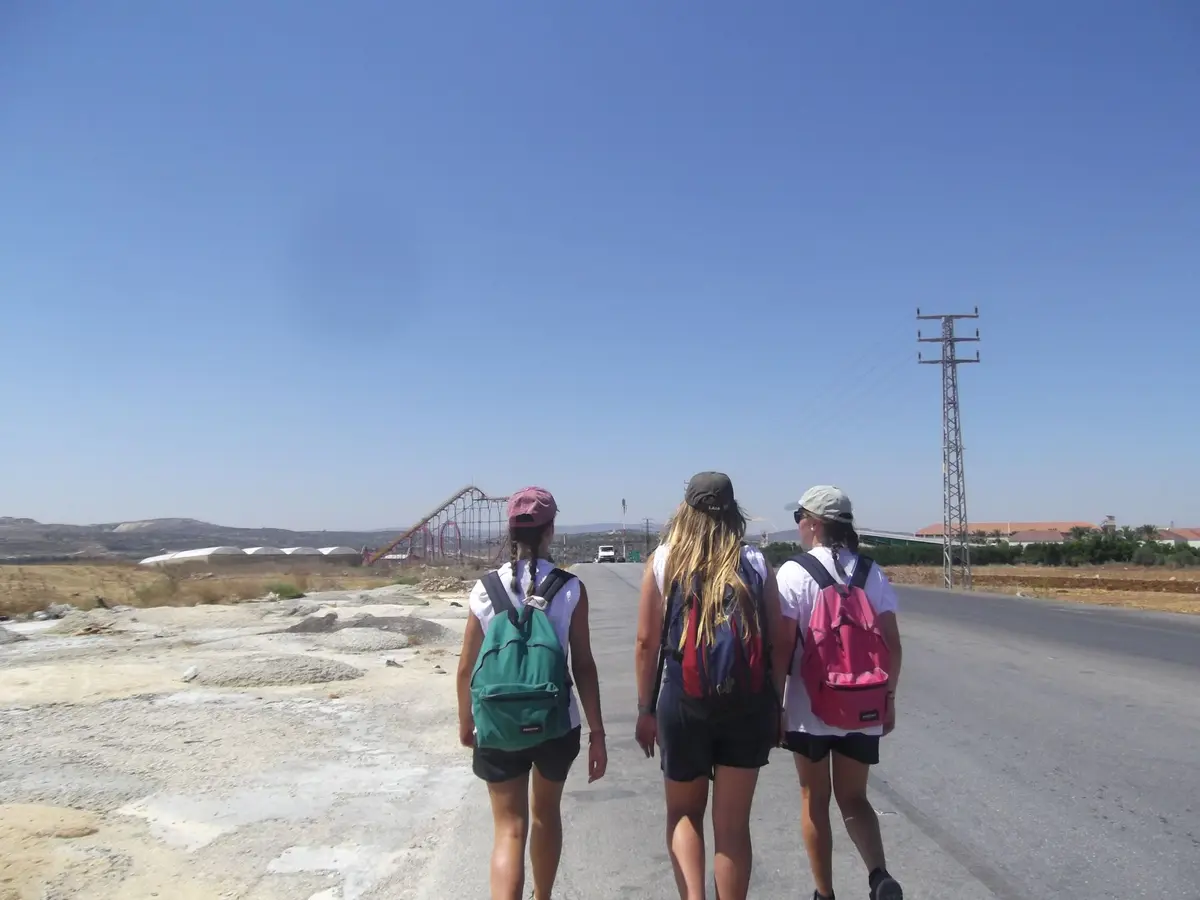
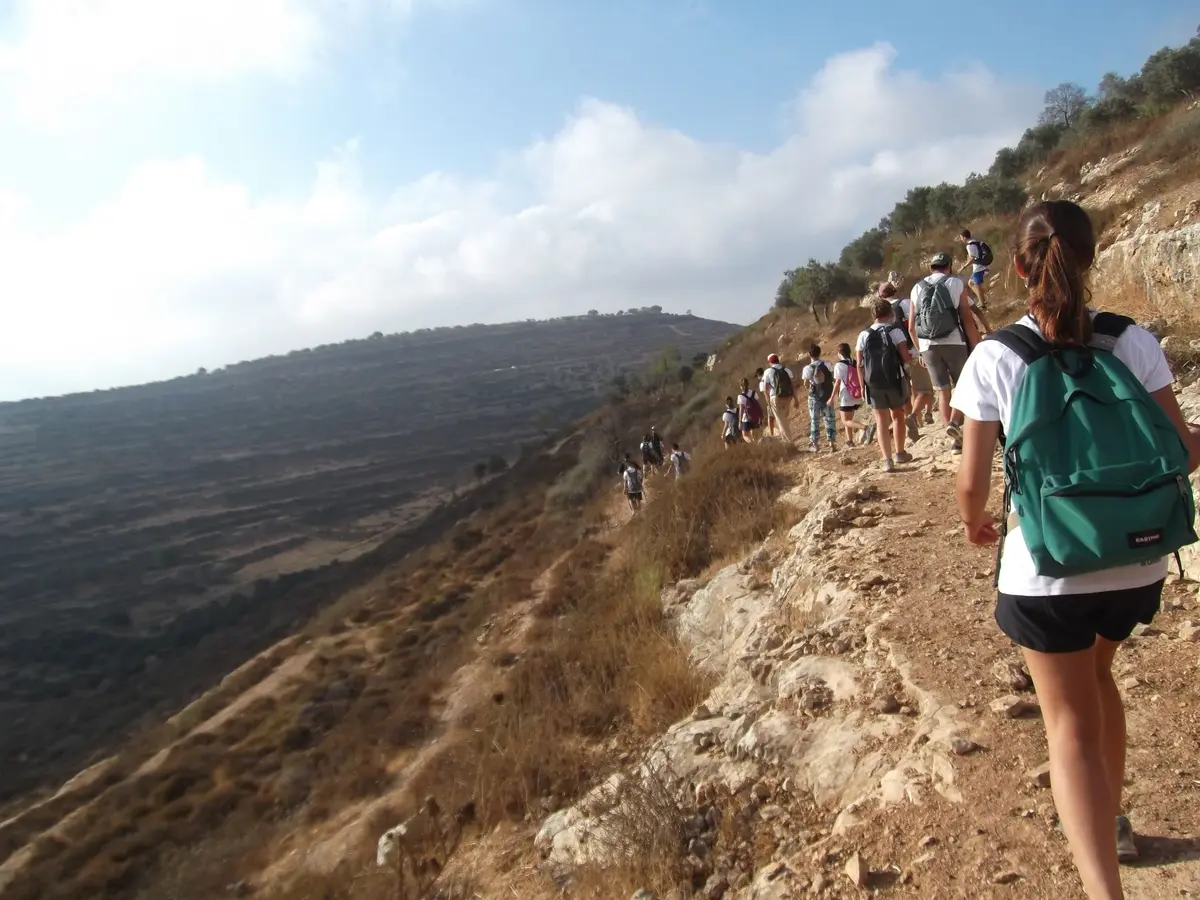
They spent the first night at the convent of the Sisters of Nazareth; from the coach they had already seen the Basilica of the Annunciation lit up in the middle of the night. Then came five stages from north to south through Palestine, in scorching heat. At every stage they were welcomed by the small Arab Christian communities, with a faith that was “deep, unshakeable and surprisingly joyful”, and many people offered them water, food or a place to rest. Simón, a Palestinian Catholic who was their back-up car, prayed the Rosary with the car stereo at full volume while the minarets recited the Arabic prayers: if they could, he said, he wasn’t going to be outdone.
Sychar, Duma and Zababdeh
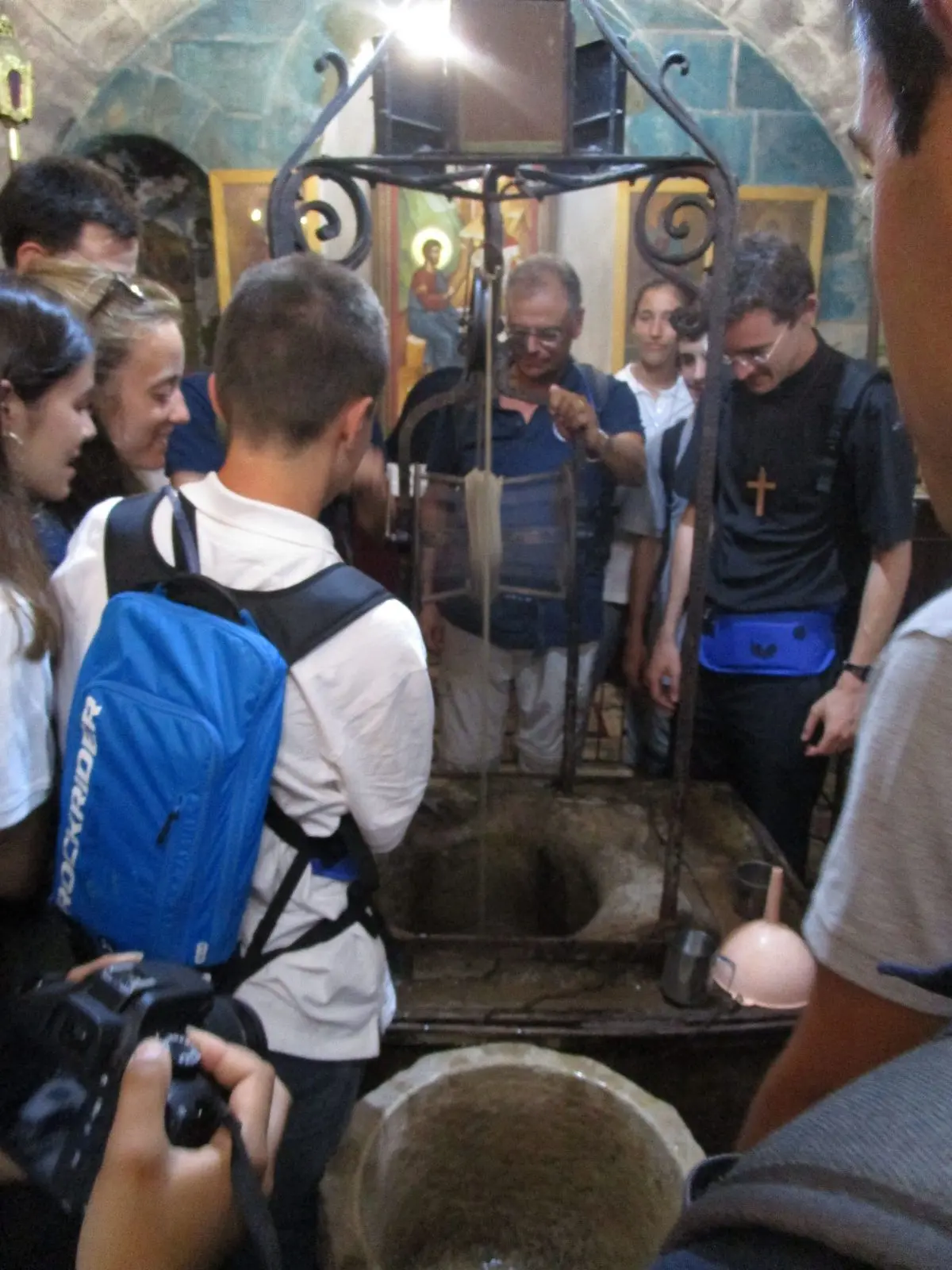
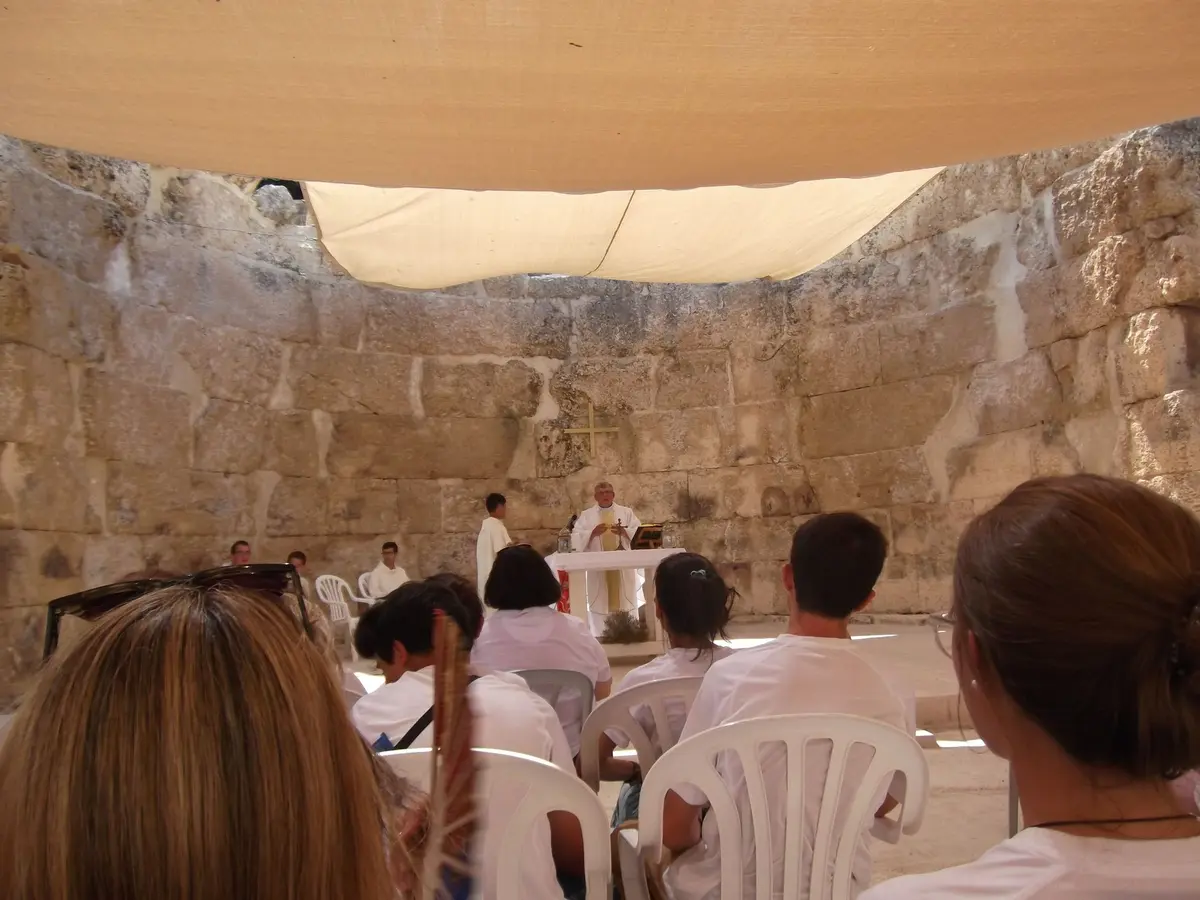
The way gave them little-visited places, such as the well of Sychar, in Nablus, where Jesus met the Samaritan woman. In Duma, in a region with no Christian presence for miles around, they celebrated Mass in a park, probably the first Eucharist in decades in that area: for Joan, it was like “bringing Christ back to his land”. And in Zababdeh a half-full swimming pool was waiting for them: afterwards they found out that the man in charge of the site had spent three days filling it with water from the tanker lorry, because there is no running water there, keeping hardly any for himself.
Jerusalem
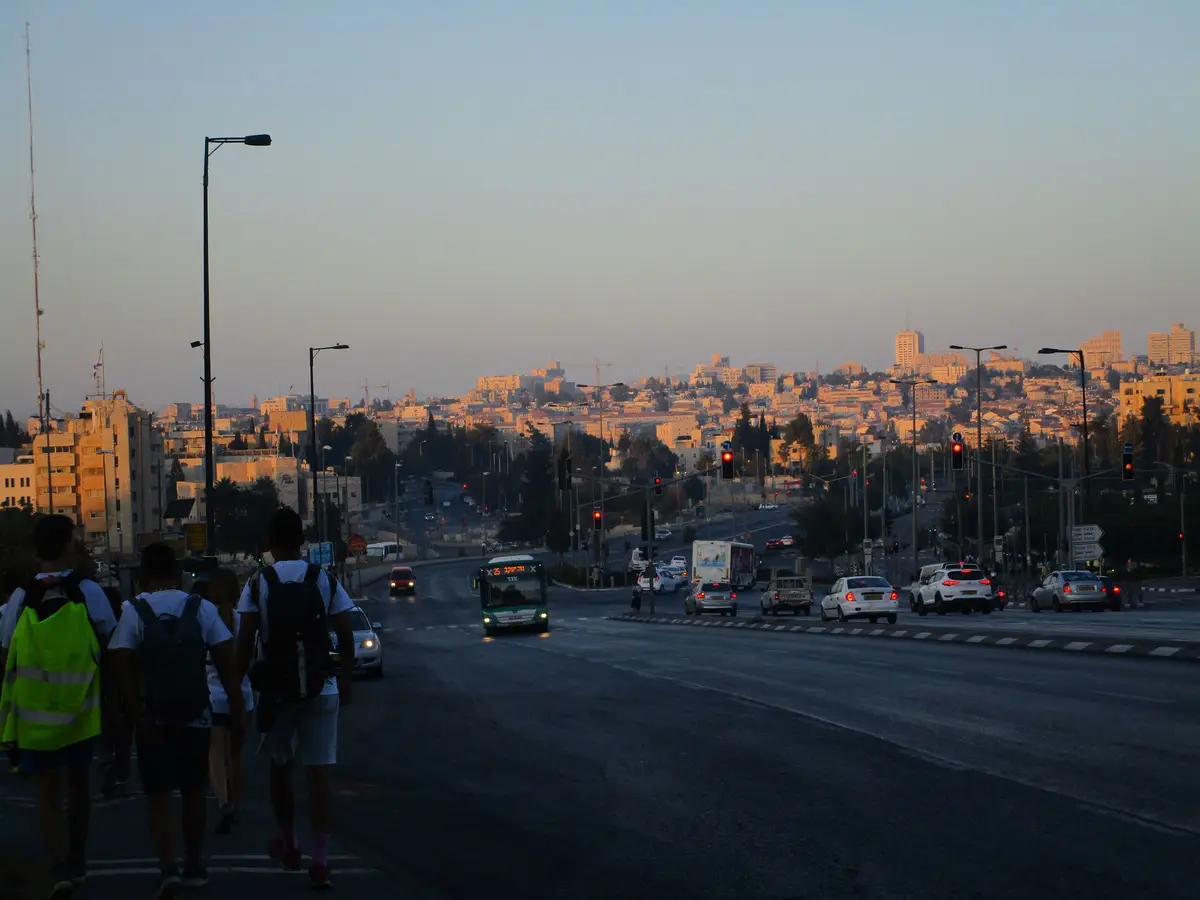
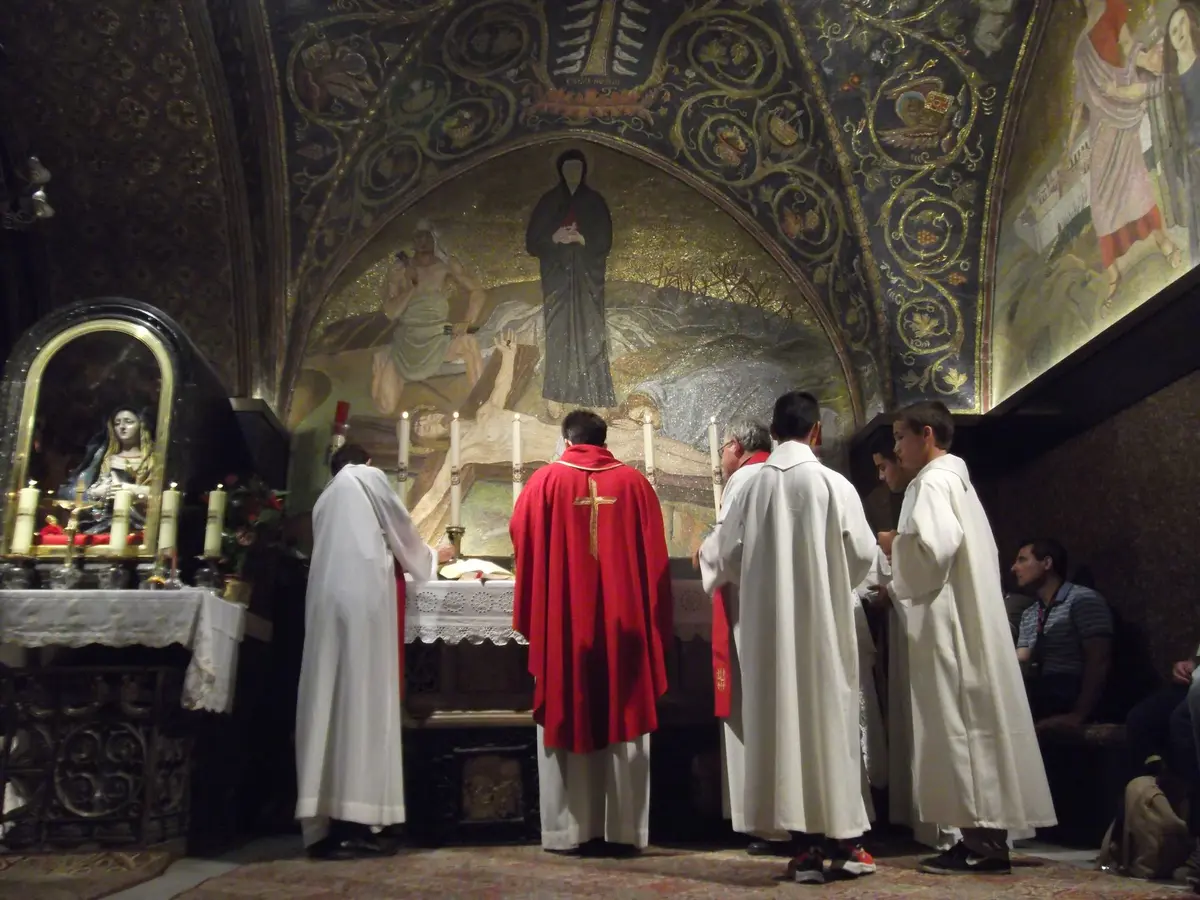
The entry into Jerusalem, on 5 August, on the last stage, was etched on everyone’s heart. They had started walking in the dead of night and went through the deserted, silent streets as far as the Holy Sepulchre. With the church almost empty, they prayed for an hour on Calvary, at the foot of the Cross, and one by one they queued to kiss the hole where the cross stood, while Fr Ferran whispered a few words in each person’s ear for them to meditate on in prayer. There, says the presentation of the pilgrimage, they laid down all their burdens.
A couple of days later they arrived in Bethlehem, where the route ended. In the grotto of the Nativity they celebrated Mass with the readings and prayers of Midnight Mass. They had accompanied Our Lady from Nazareth to the place where she gave birth to the Saviour, and St Joseph had often come up in their conversations along the way too.
With the families
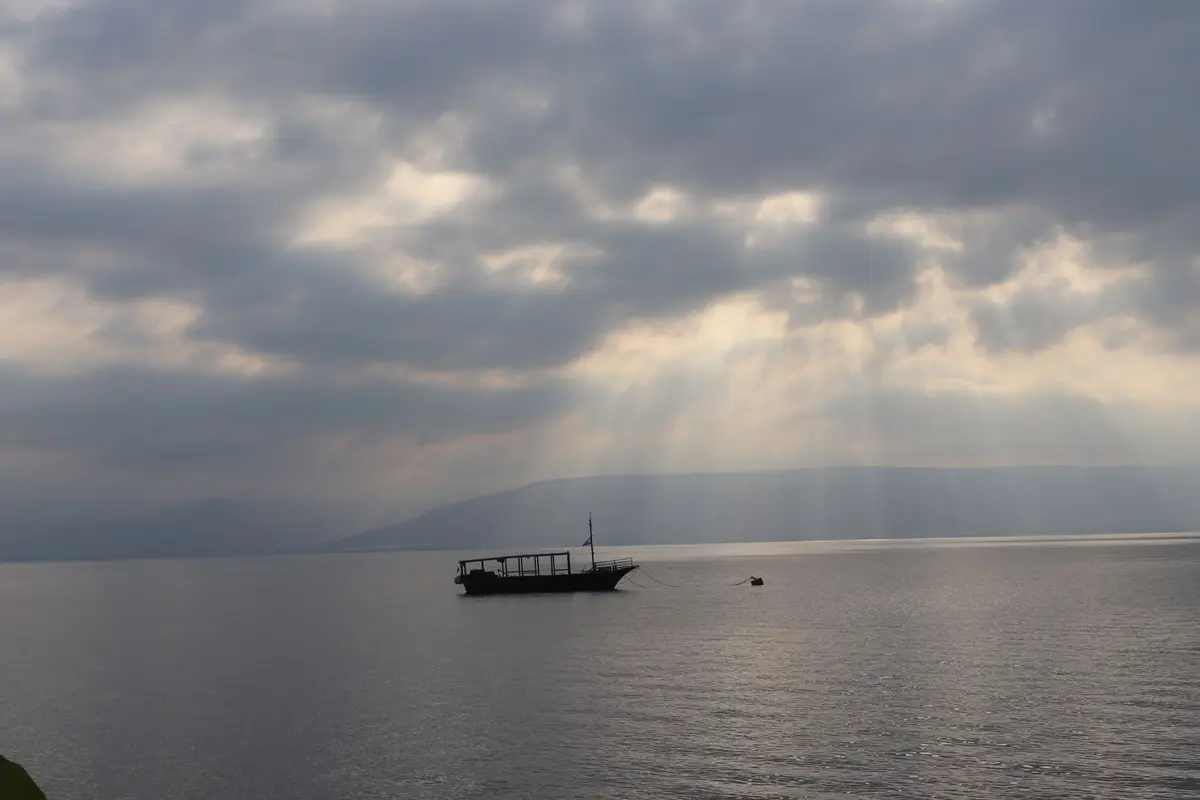
Then the parents and families joined them for a week of visits and prayer: the road to Emmaus, Mount Tabor, the Stations of the Cross through the streets of Jerusalem, Mass on Calvary and at the Annunciation in Nazareth, adoration at the Basilica of the Nations, in Gethsemane, the renewal of baptismal promises by the Jordan and a boat crossing on the Sea of Galilee. At a vigil in the Garden of Olives, the group sang songs in Spanish and some Latin Americans joined in: “wherever we are from, we are all united in the great family of the Church”, writes Albert.
They came back to Barcelona convinced that this pilgrimage, in fact, would never end. Joan sums it up like this: “Everything in the Holy Land points to that admirable and undeserved exchange by which God became like us so that we could become like Him”.
Photos
 Enlarge the photo
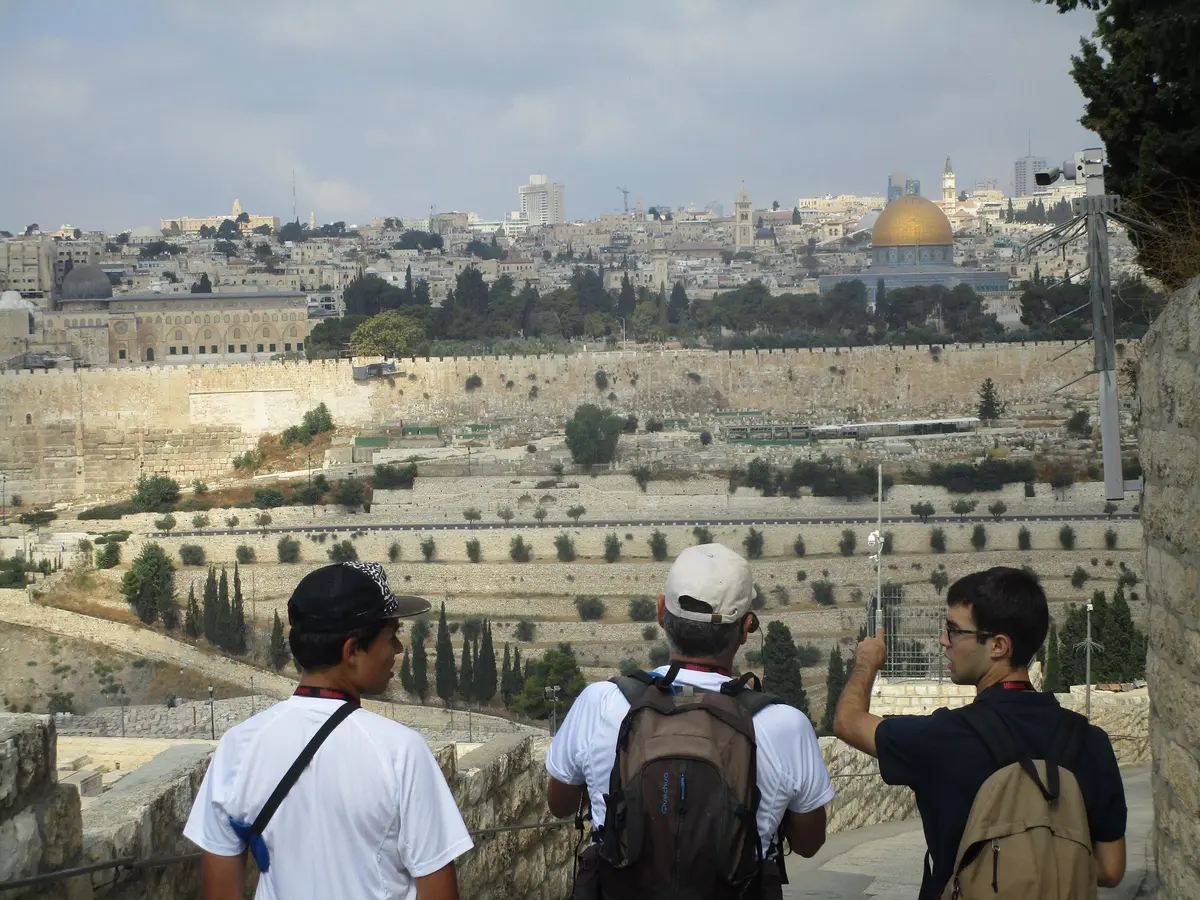
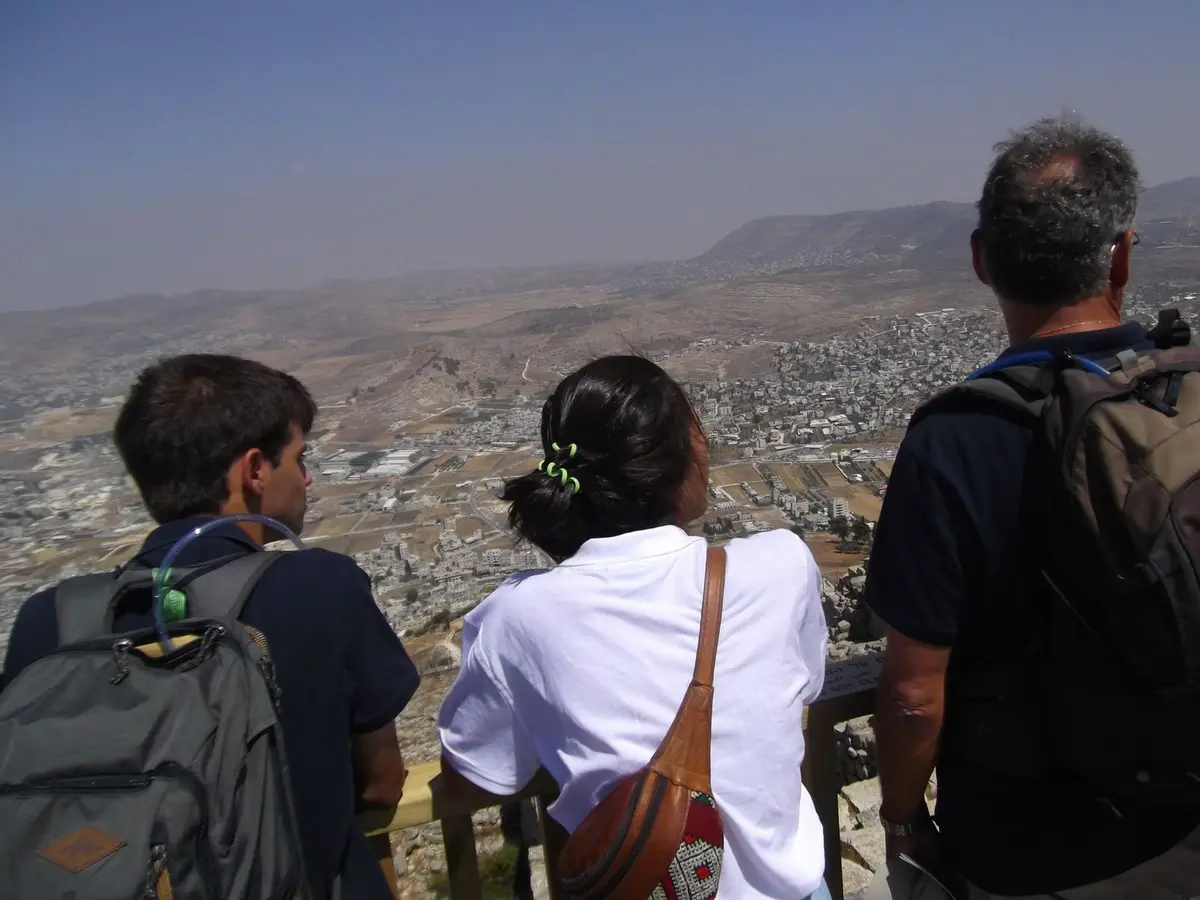
View of Jerusalem from the Garden of Gethsemane  Enlarge the photo
Entering Jerusalem, 5 August 2019 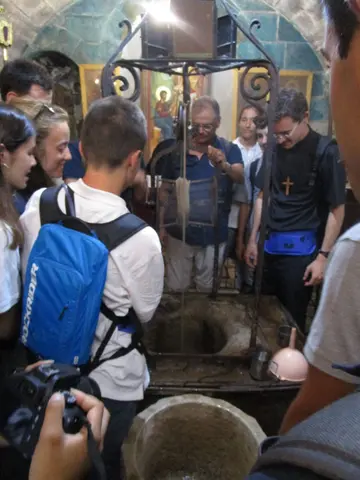 Enlarge the photo
The well of Sychar, Nablus  Enlarge the photo
 Enlarge the photo
 Enlarge the photo
The Grotto of the Annunciation, in Nazareth  Enlarge the photo
 Enlarge the photo
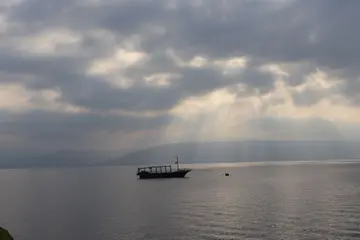
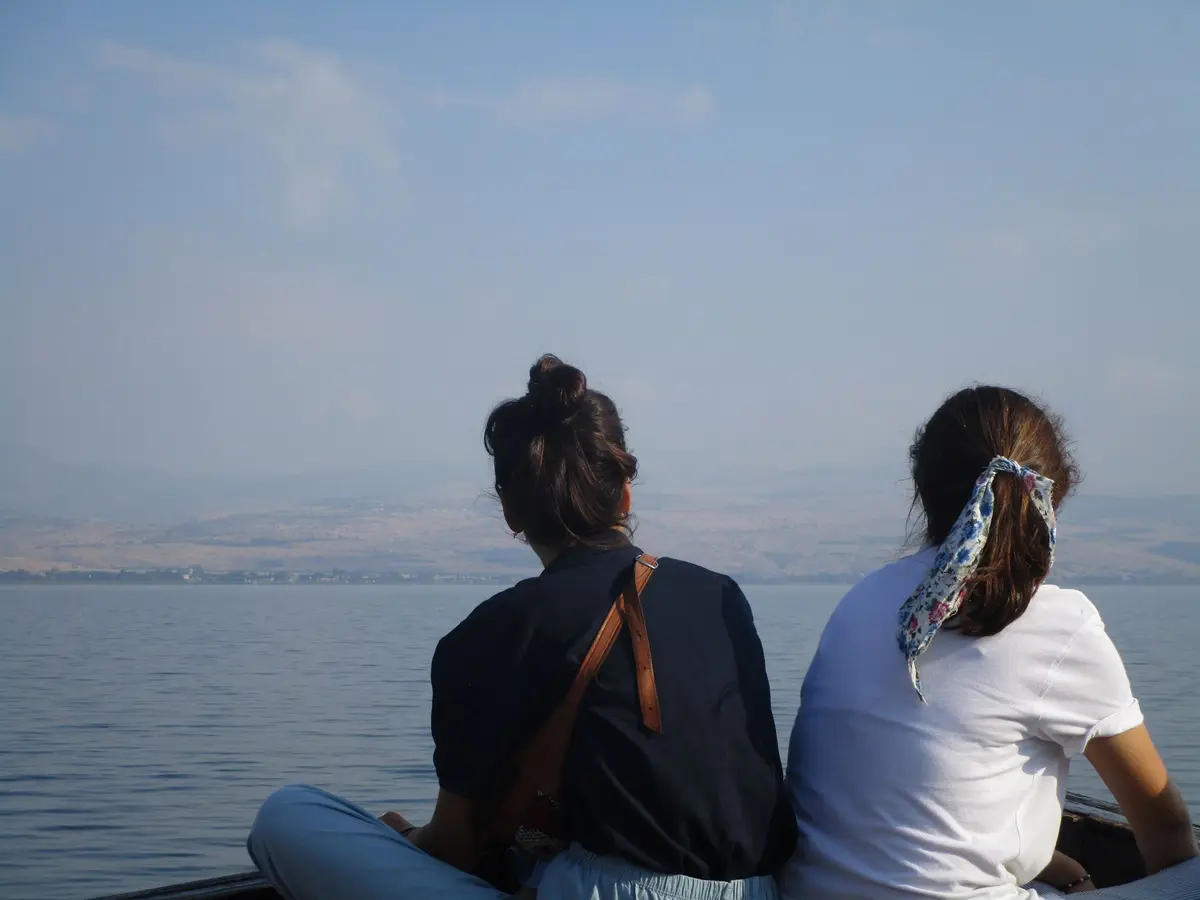
The Sea of Galilee 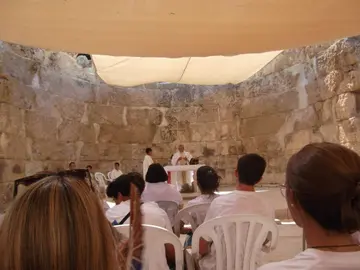 Enlarge the photo
 Enlarge the photo
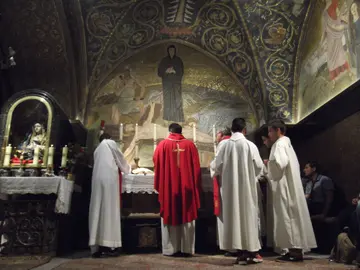 Enlarge the photo
Mass on Calvary, in Jerusalem 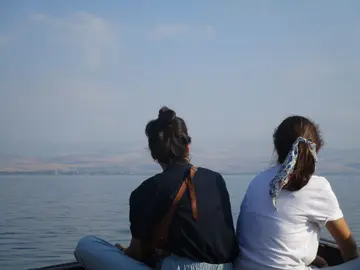 Enlarge the photo
By boat on the Sea of Galilee
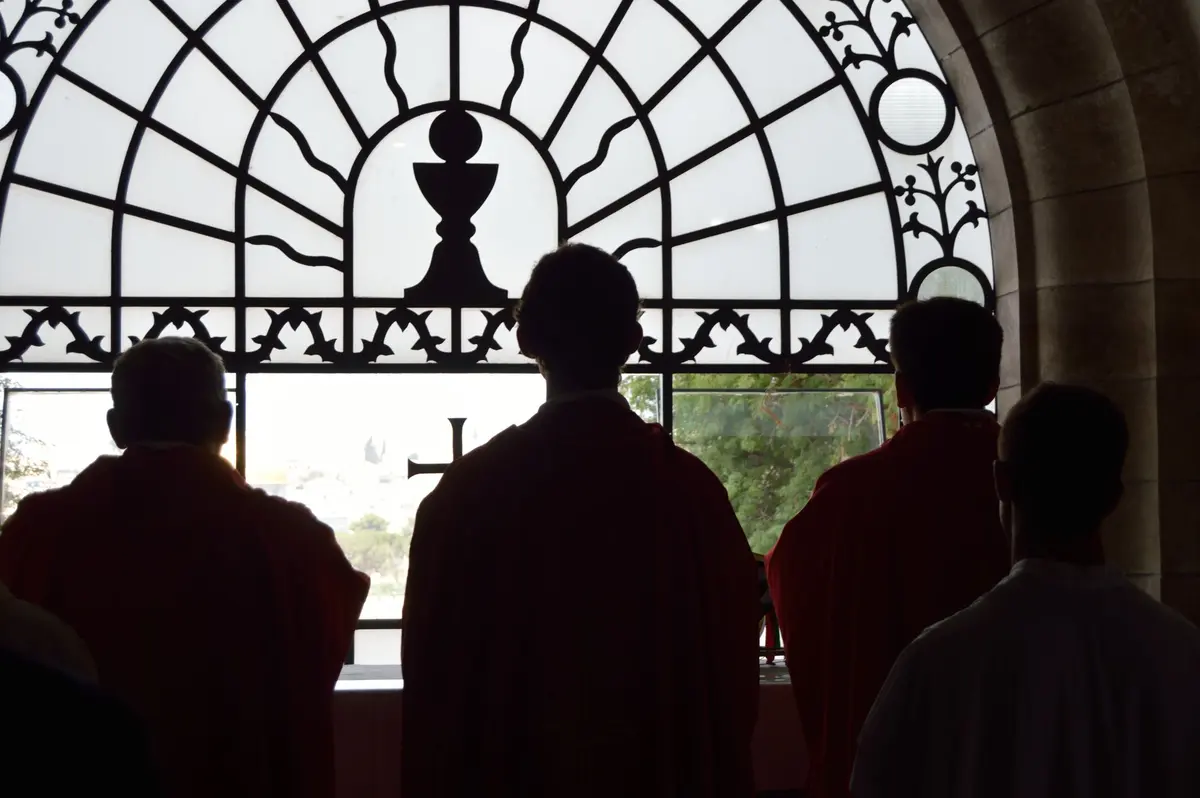
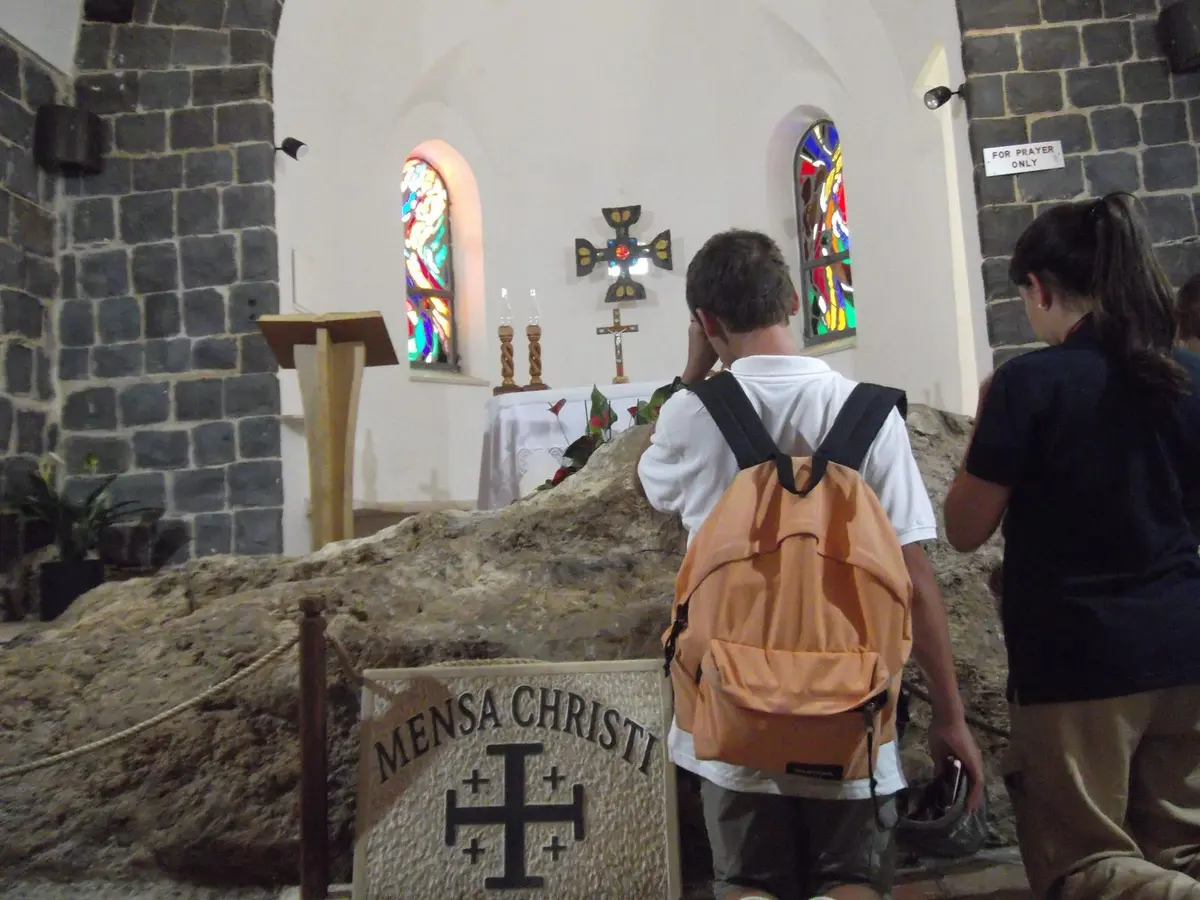
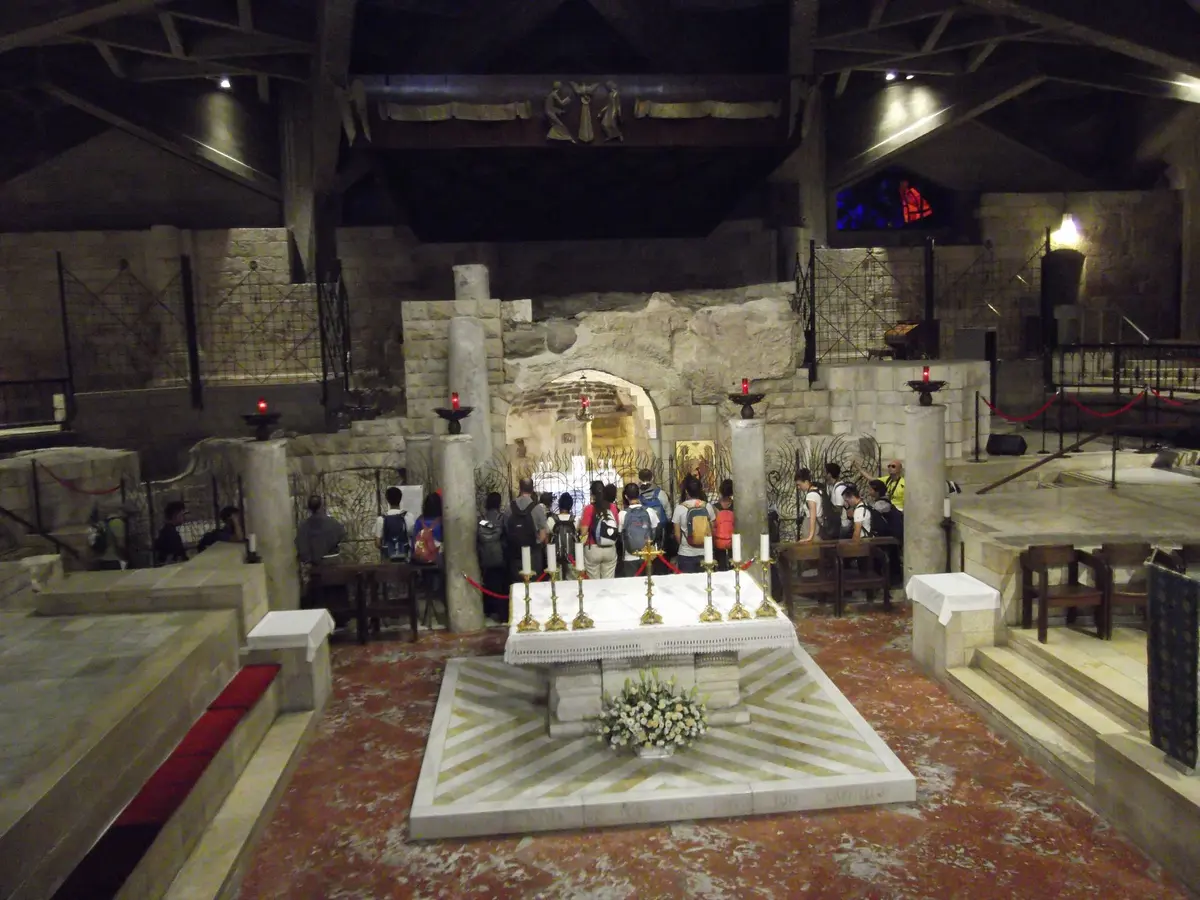
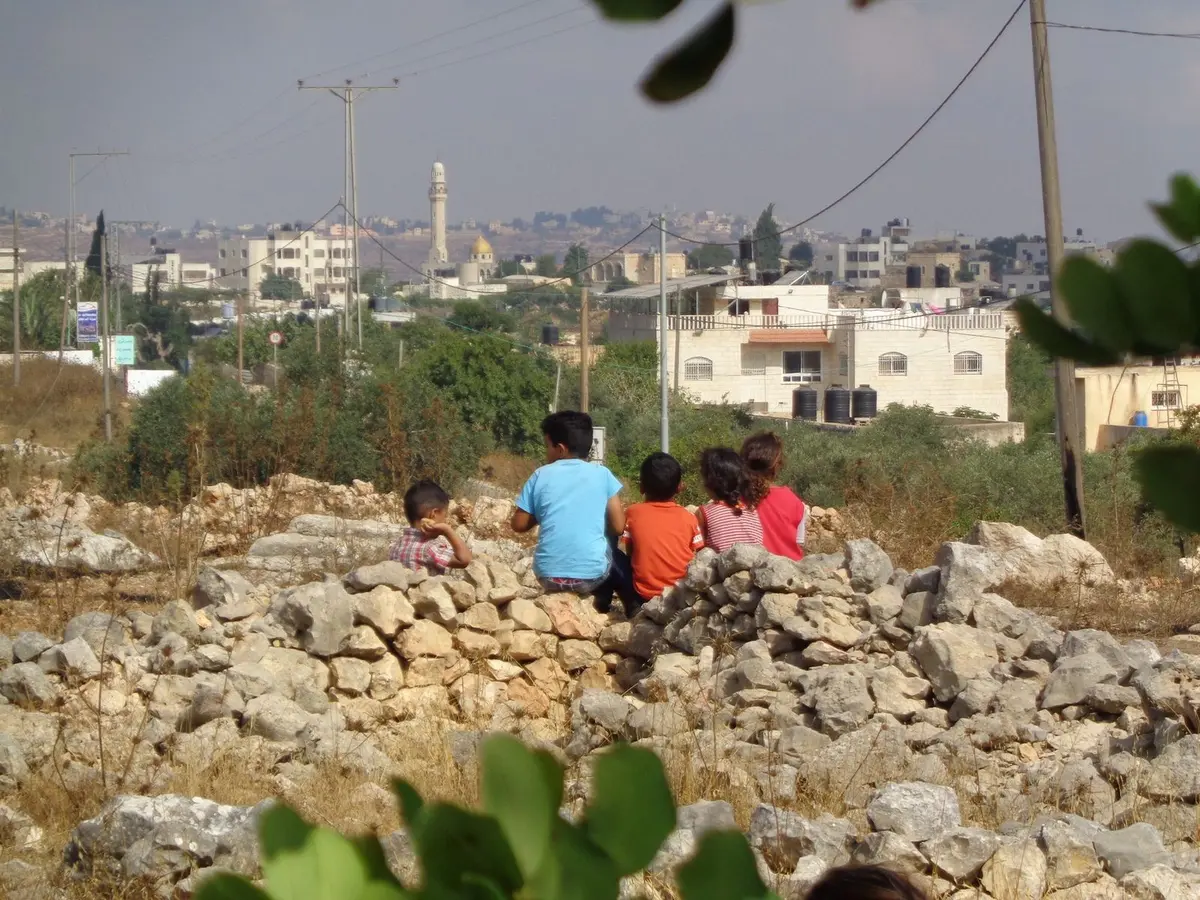
See all 16 photosSee fewer
 Enlarge the photo
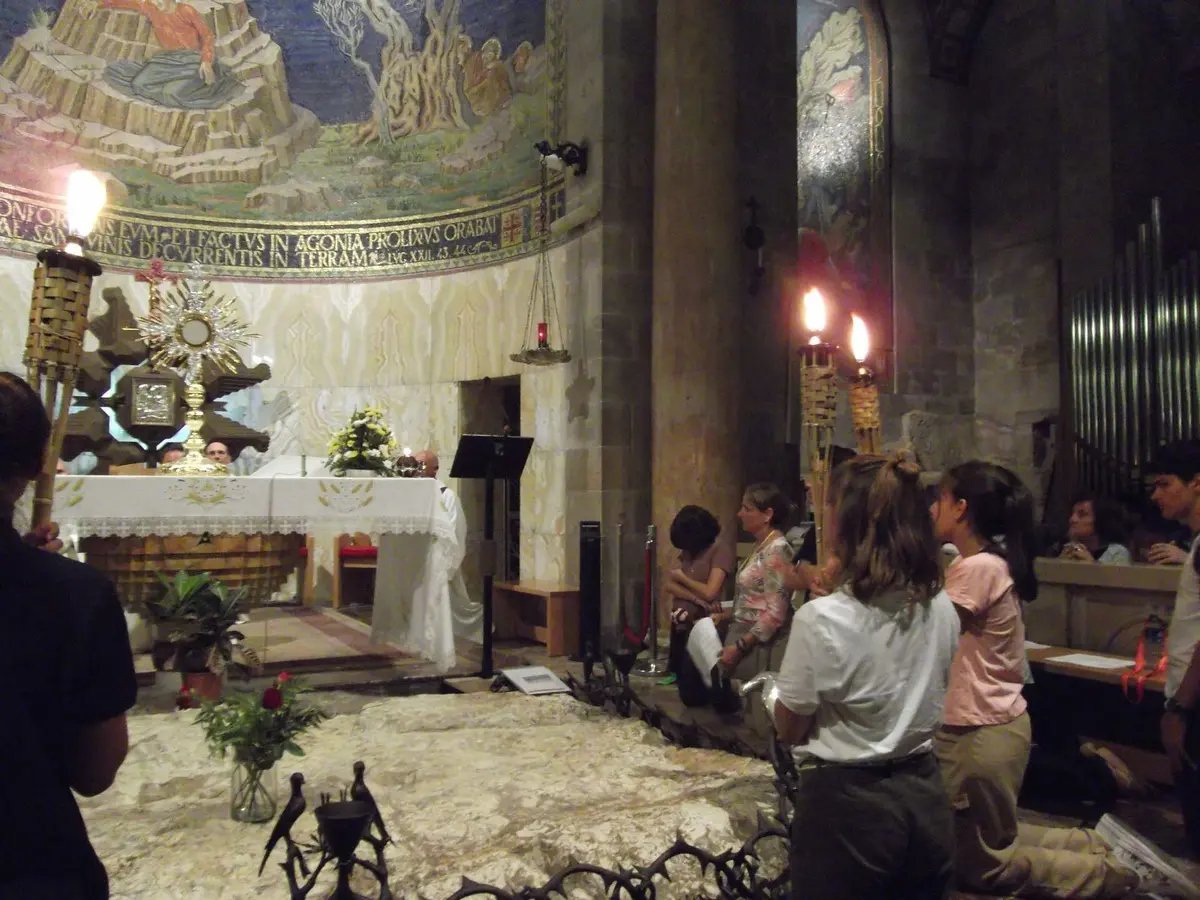
Prayer vigil in Gethsemane  Enlarge the photo
 Enlarge the photo
 Enlarge the photo
How they lived it
“Celebrating Mass there (probably the first Eucharist in decades in that area) was, in a way, like bringing Christ back to his land.”
This first part of the pilgrimage gave us gifts such as the chance to visit the well of Sychar, the setting of the beautiful Gospel page that tells of the meeting between Jesus and the Samaritan woman. Located in the city of Nablus, it is a little-visited place because you have to cross the border between Israel and Palestine to get there. Especially moving, too, was the celebration of the Eucharist in a park in the small town of Duma, located in the heart of a region several kilometres across without any Christian presence at all. Celebrating Mass there (probably the first Eucharist in decades in that area) was, in a way, like bringing Christ back to his land. That day, that small, forgotten park became a heart on fire, beating with love in the middle of the desert.
Read it in full
However, if there was one moment that was etched on the heart of every member of the pilgrimage, it was our entry into Jerusalem on the last stage of the route. We arrived early in the morning, having started walking in the dead of night. With deep, restrained emotion, we crossed its streets —at that hour, beautifully deserted and silent— as far as the Basilica of the Holy Sepulchre. With the church practically empty, we made our way to Calvary, where time seemed to stand still during the moving and intimate hour of prayer we lived at the foot of the Cross of Christ.
Joan “Wherever we come from, we are all united in the great family of the Church”
In this context, I remember with special fondness the day we arrived in Zababdeh, where a half-full swimming pool was waiting for us which, as tired as we were, was more than enough. What made it so special was finding out later that the man in charge of the place where we slept had spent three days filling the pool with the water the tanker lorry brought him, because, as there is no running water in Palestine, they brought it by lorry, and he used it all exclusively for our benefit and enjoyment, keeping practically none for himself. We felt very welcomed by the Palestinian people throughout the 140 km of our pilgrimage.
Read it in full
[…]
Once the route was over, it was time to give a warm welcome to our parents, who were coming to spend a week of visits, sightseeing and prayer with us. We surprised them by going to pick them up at Tel Aviv airport, and from there we went back to Nazareth. With them we visited the main holy places, walked the road the disciples of Emmaus travelled, reached the top of Mount Tabor and had a beautiful prayer vigil with people from all over the world in the Garden of Olives. I remember that, in the silence of the night, as we followed the crowd in procession behind the monstrance, our group struck up songs of praise in Spanish, and some Latin American people who were also praying with us at the vigil joined in. I found it so moving to think that, after all, wherever we come from, we are all united in the great family of the Church.
Albert
The chronicles
What we wrote along the way and afterwards, chronicle by chronicle.
- Where it all began6 April · Joan X.
- All united in the great family of the Church6 April · Albert L.