Our pilgrimages · On foot to WYD · 2023
WYD Lisbon 2023
“Mary arose and went with haste”
- Dates
- On foot
- 1,300 km
- Days
- 43
- Stages
- 40
The route
The stops
- Parish of Sant Rafael (Barcelona)26 June
- Castelldefels26 June · 27.2 km
- Vilanova i la Geltrú27 June · 31.2 km
- Altafulla28 June · 34.1 km
- Cambrils29 June · 33.4 km
- L’Ametlla de Mar30 June · 34.7 km
- Amposta1 July · 31.2 km
- Vinaròs2 July · 33.8 km
- Alcossebre3 July · 34.8 km
- Benicàssim4 July · 34.6 km
The other 31 stops
- Nules5 July · 32.2 km
- Sagunto6 July · 27.4 km
- Riba-roja de Túria7 July · 36 km
- Buñol8 July · 27.2 km
- Requena9 July · 31.8 km
- Villatoya10 July · 42 km
- Fuentealbilla11 July · 27 km
- Tarazona de la Mancha12 July · 36.5 km
- La Roda13 July · 23.7 km
- Villarrobledo14 July · 42 km
- Tomelloso15 July · 39.9 km
- Manzanares16 July · 36.8 km
- Daimiel17 July · 24.6 km
- Ciudad Real18 July · 31 km
- Los Pozuelos de Calatrava19 July · 27 km
- Saceruela20 July · 41.6 km
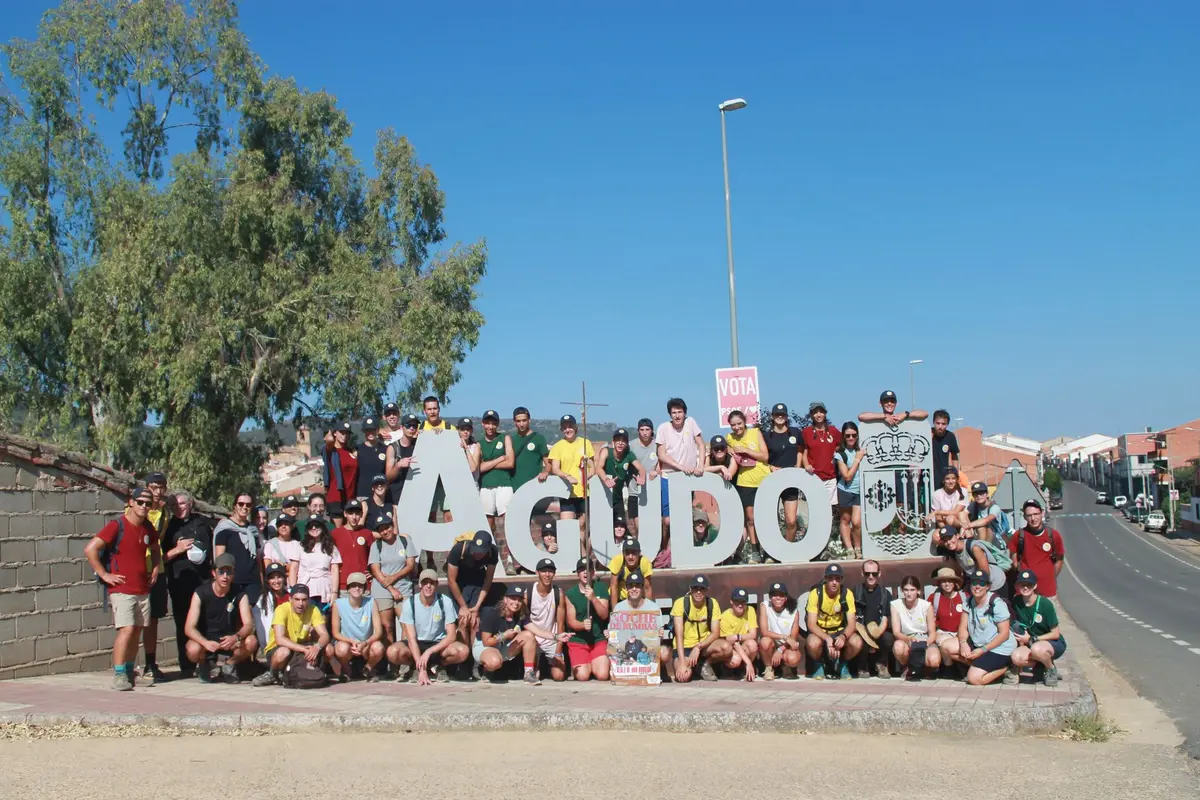
- Agudo21 July · 25 km
- Talarrubias22 July · 36.4 km
- Orellana la Vieja23 July · 35.2 km
- Don Benito24 July · 35.7 km
- San Pedro de Mérida25 July · 30.3 km
- Mérida26 July · 15.8 km
- Valdelacalzada27 July · 35.2 km
- Badajoz28 July · 29.4 km
- Vila Fernando29 July · 33.4 km
- Sousel30 July · 33.4 km
- Pavia31 July · 33.4 km
- Couço1 August · 27.5 km
- Biscainho2 August · 34.9 km
- Vila Franca de Xira3 August · 35.7 km
- Lisbon (cathedral)4 August · 40 km
Lisbon 2023, a madness of love
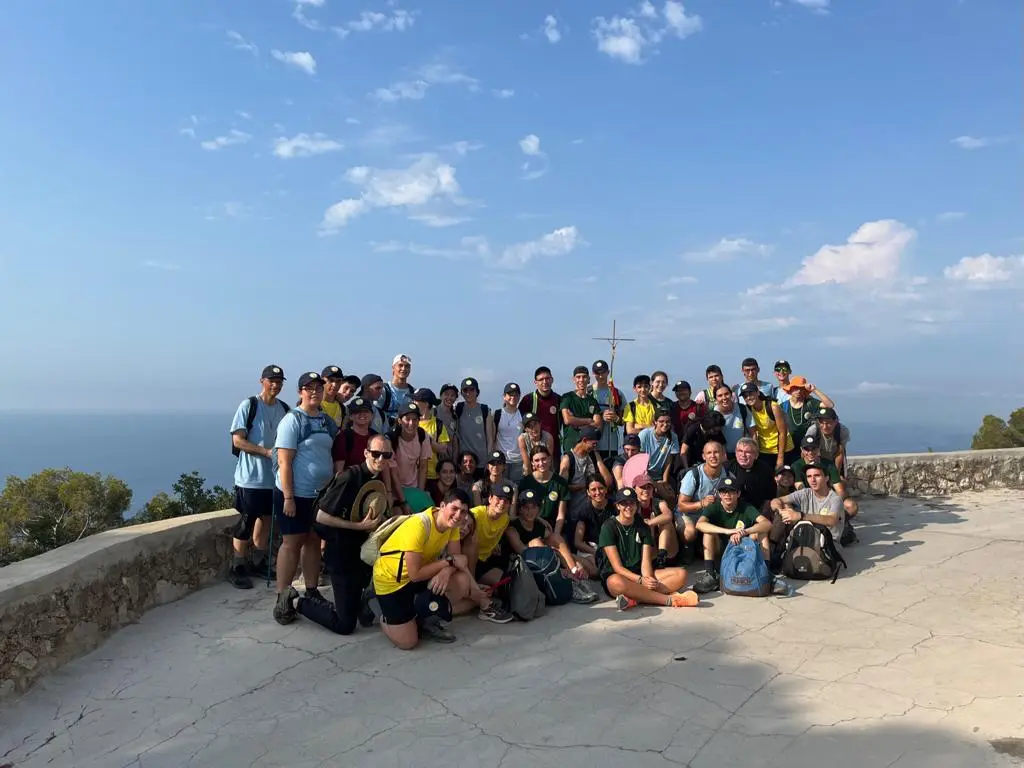
Forty days and nearly 1,300 kilometres on foot, from Barcelona to WYD Lisbon. Some fifty young people set off walking, almost ninety arrived, and in every town the family of the Church was waiting for them.
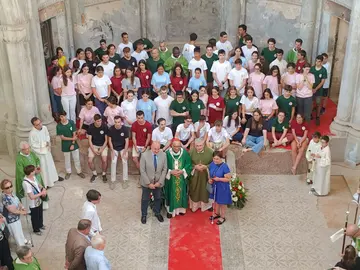
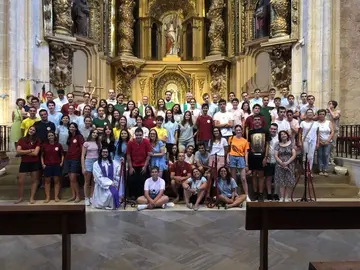
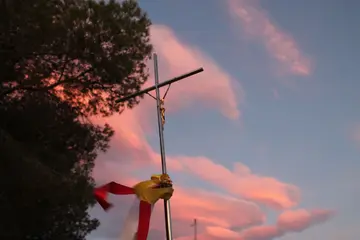
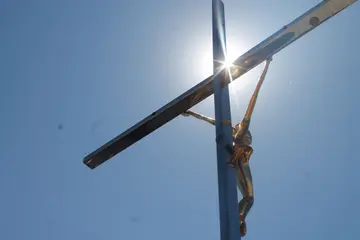
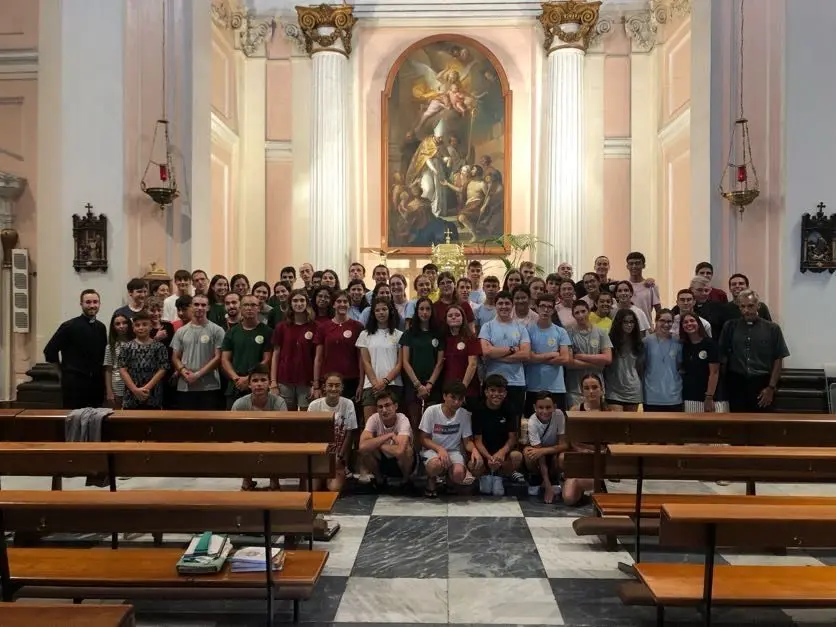
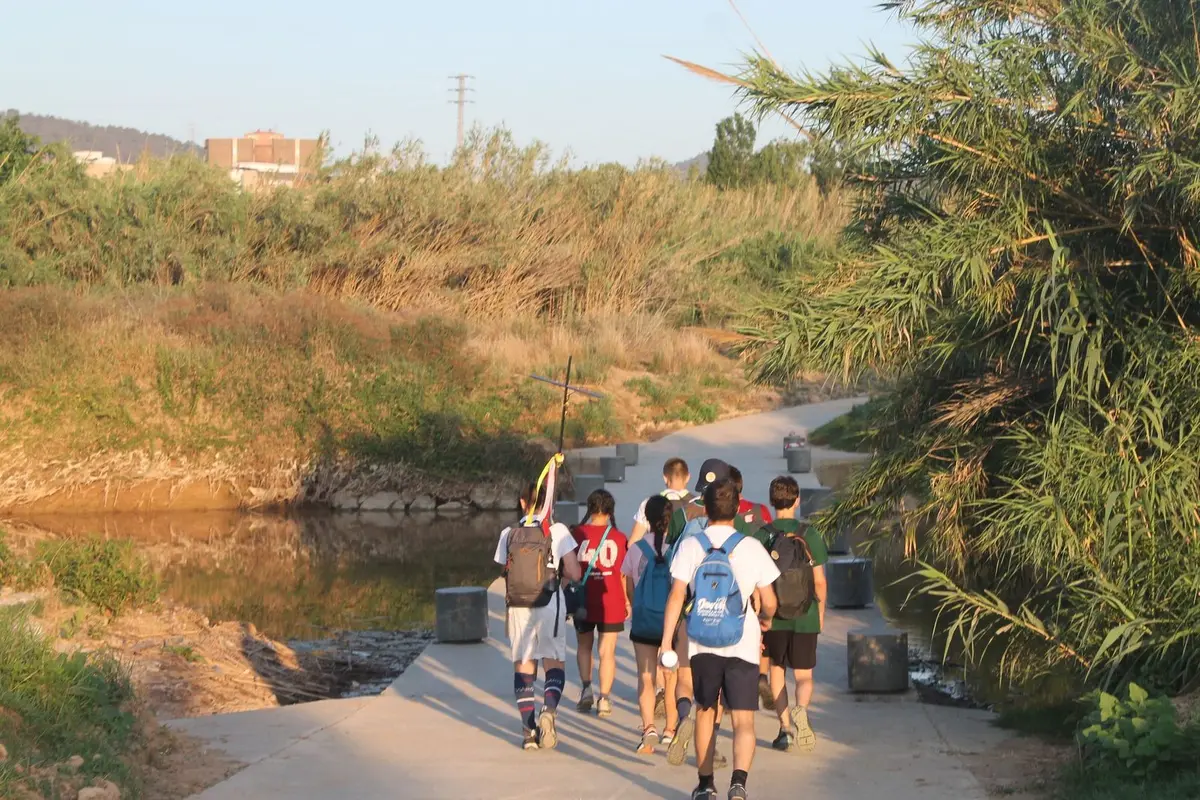
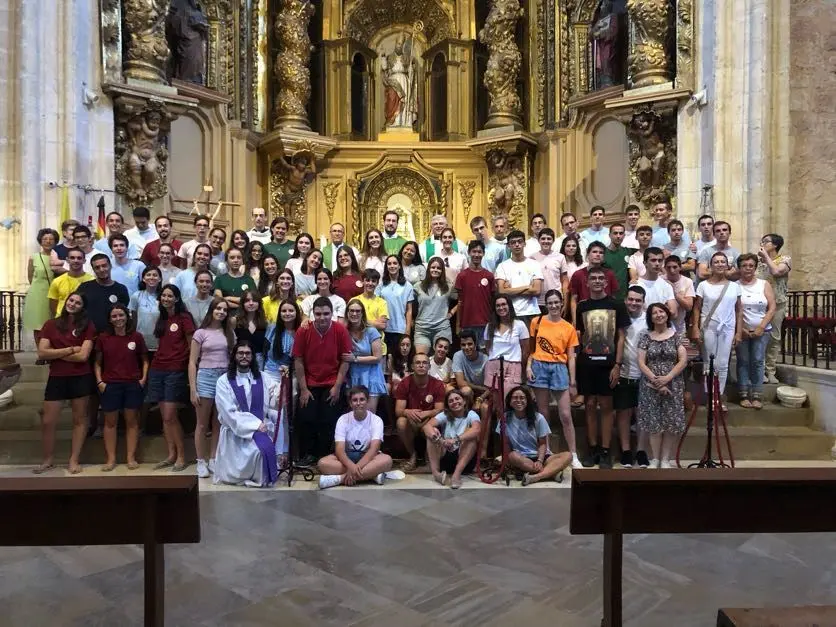
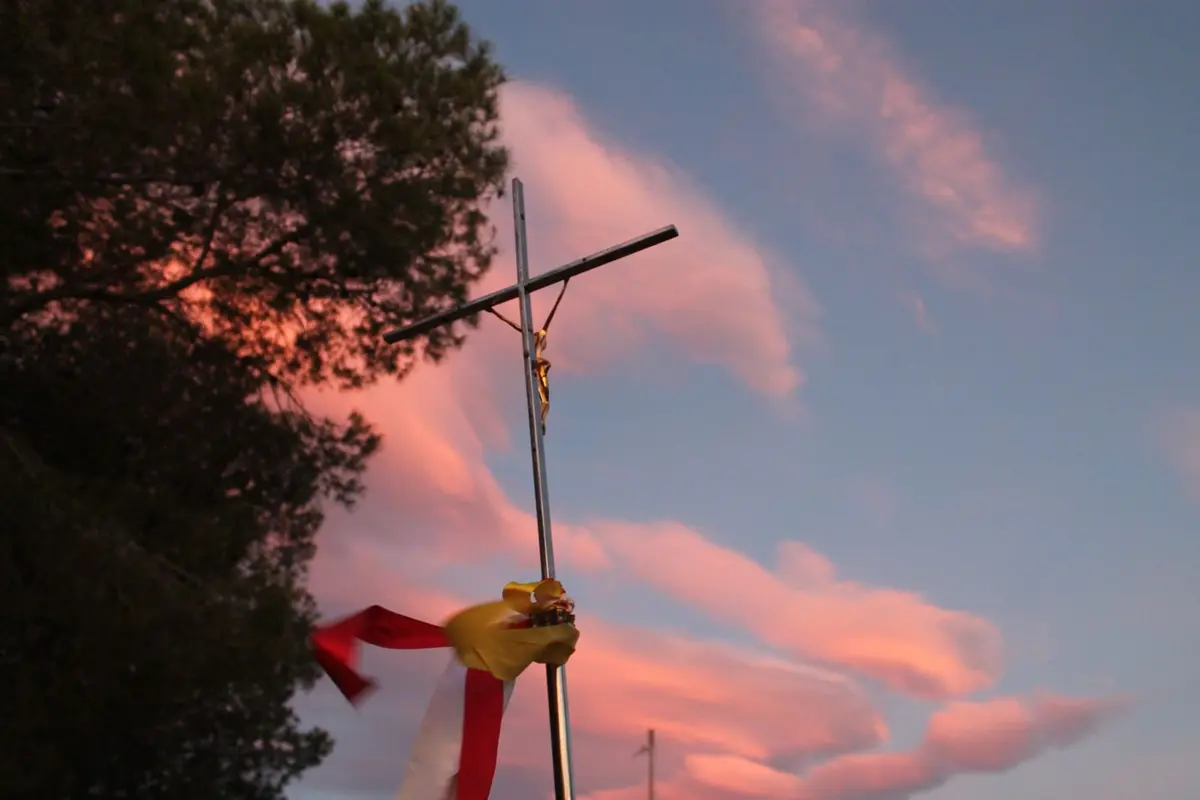
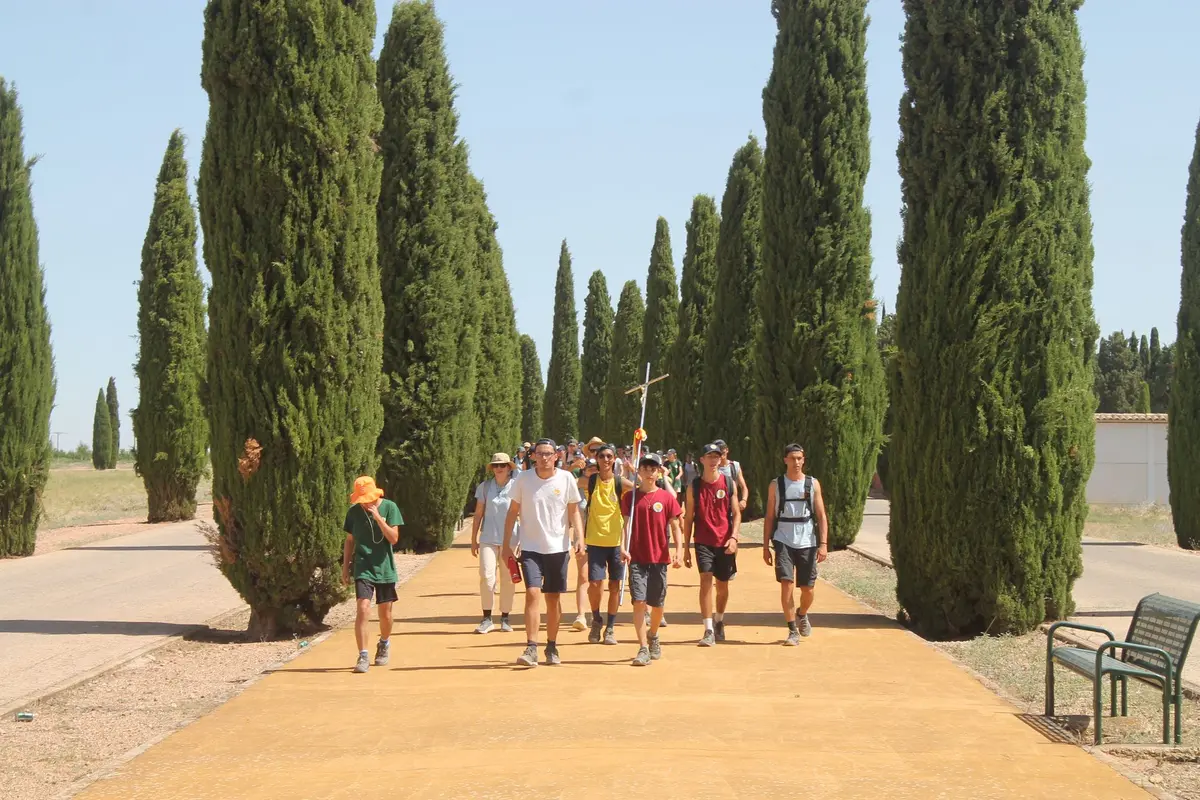
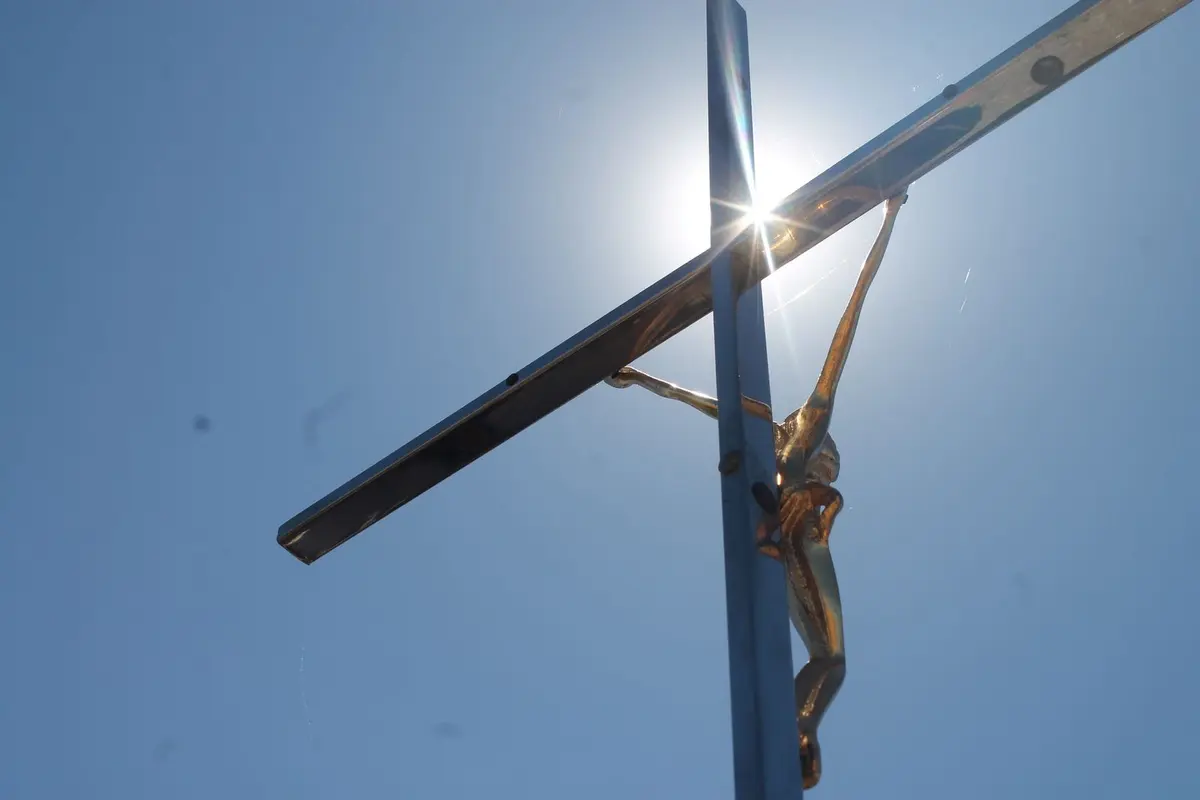
On 25 June 2023, Cardinal Joan Josep Omella presided over the commissioning Mass. He encouraged them to look at the cross in moments of difficulty, because there they would find Christ and, at his feet, Our Lady. That night, the three priests who would accompany them gave them their crosses, and the next day, at three in the morning, they set out from the parish of Sant Rafael carrying a cross that would go with them every day. As well as meeting Christ, they wanted to raise money to restore the parish of Sant Rafael: every kilometre, one euro; every euro, one more stone. The first chronicle put it like this: “Yes, what we are starting today is madness. But it is a madness of love”.
A day on the way
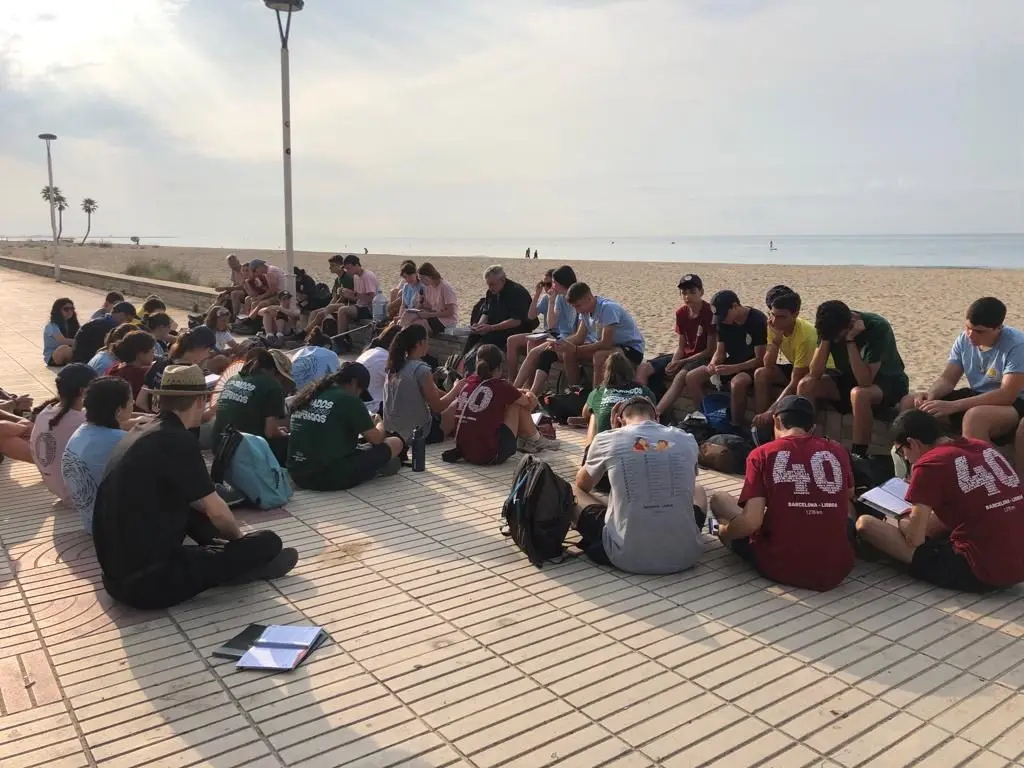
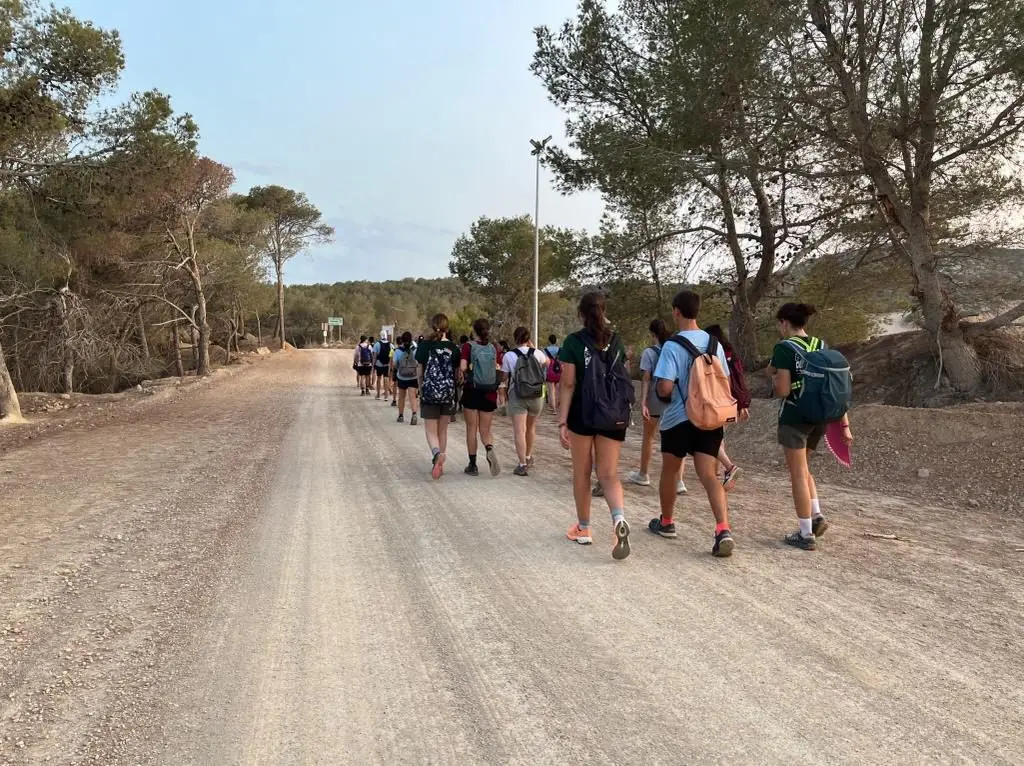
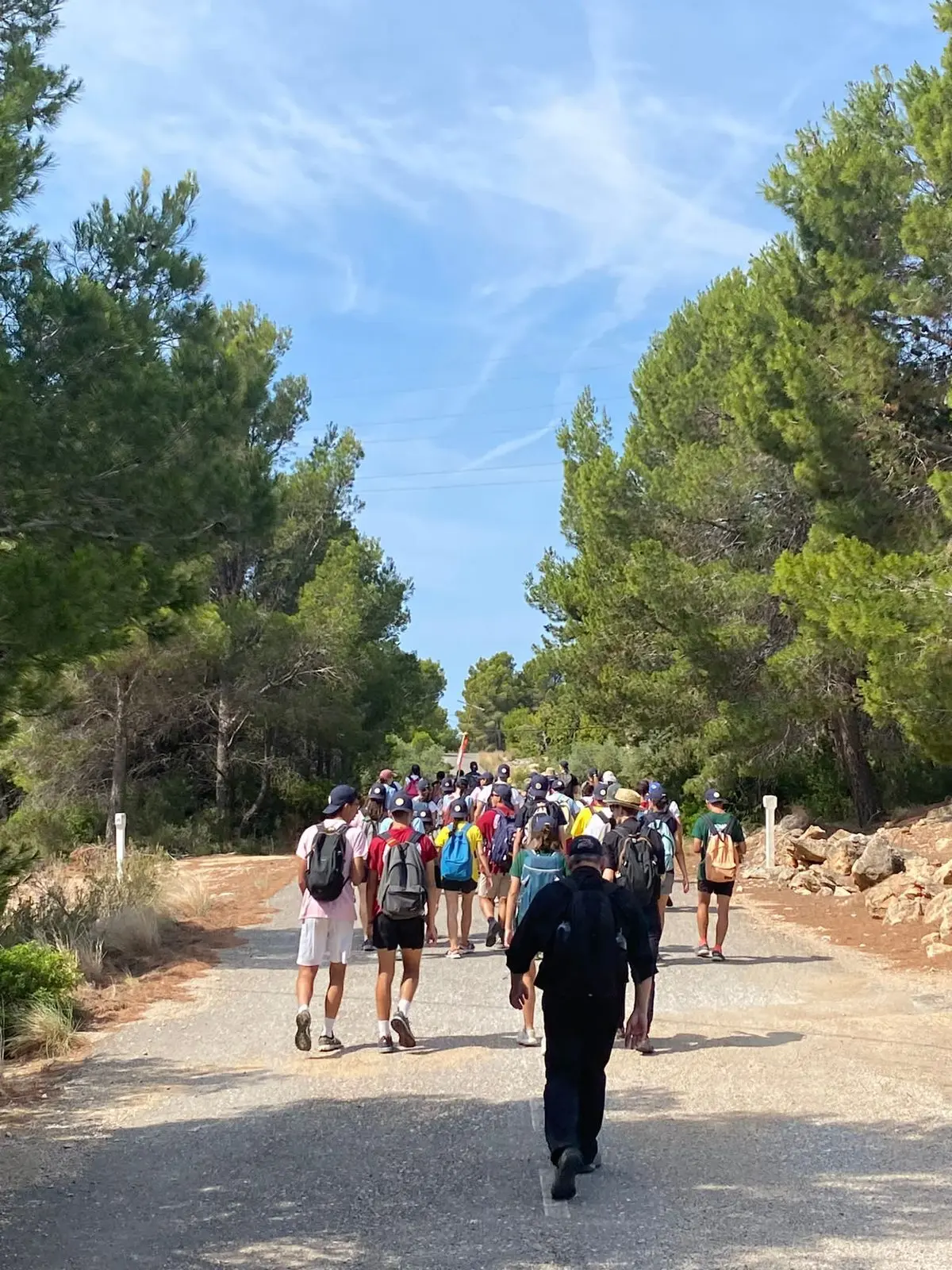
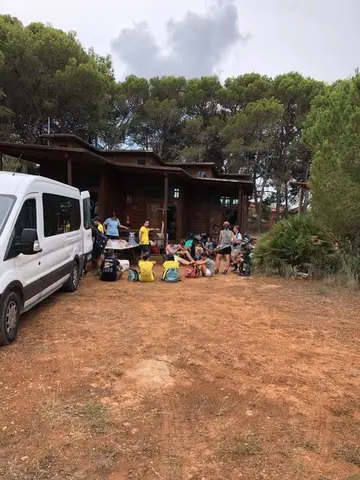
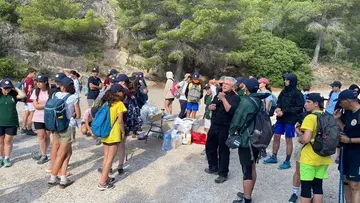
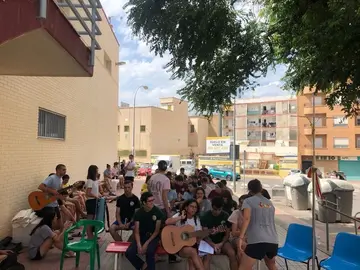
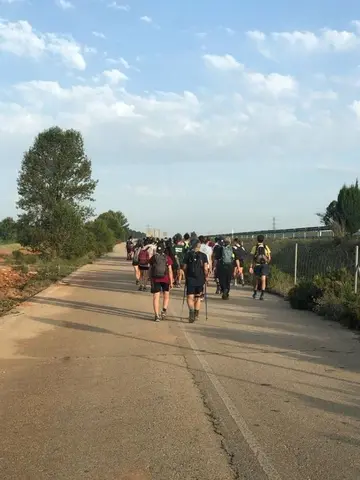
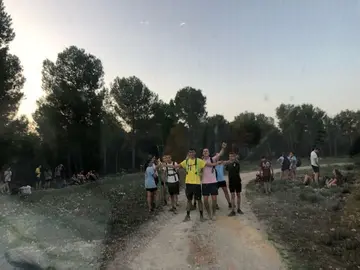
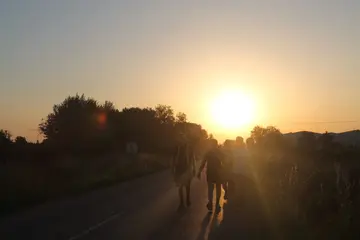
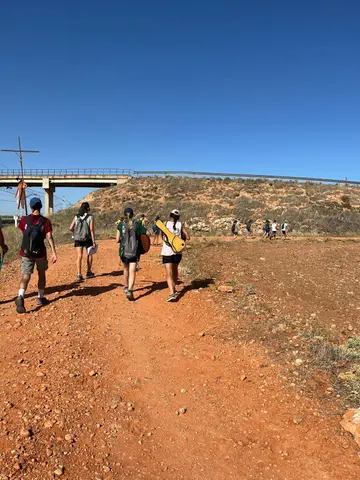
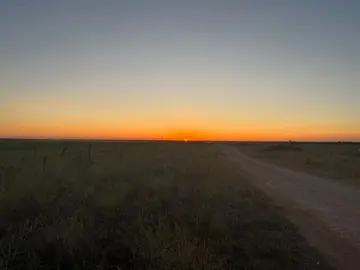
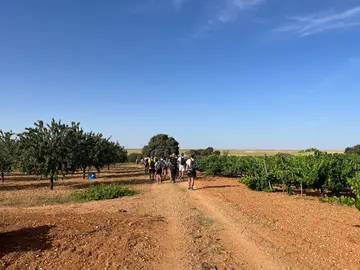
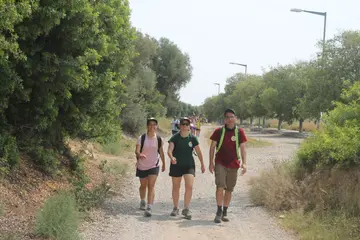
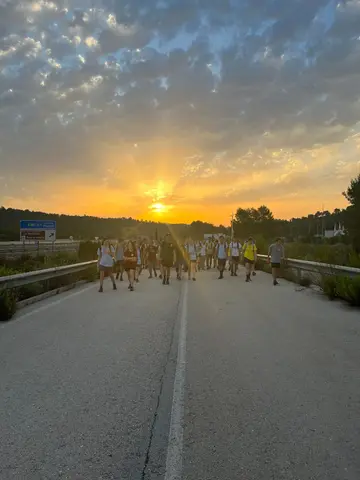
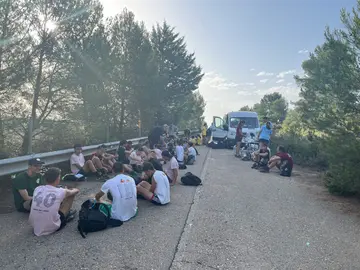
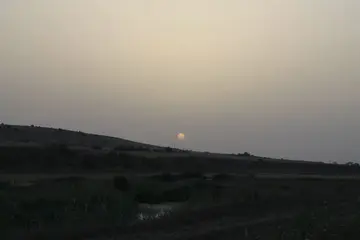
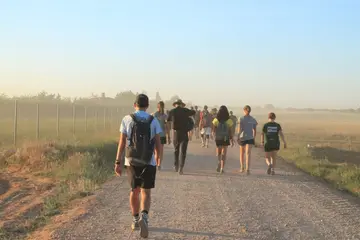
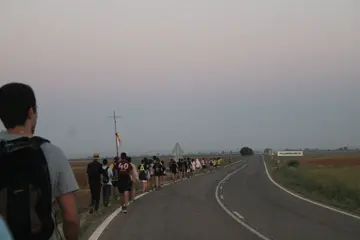
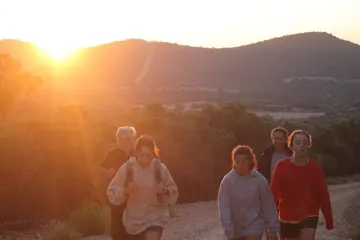
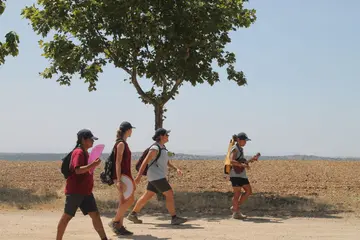
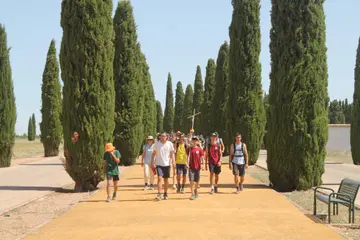
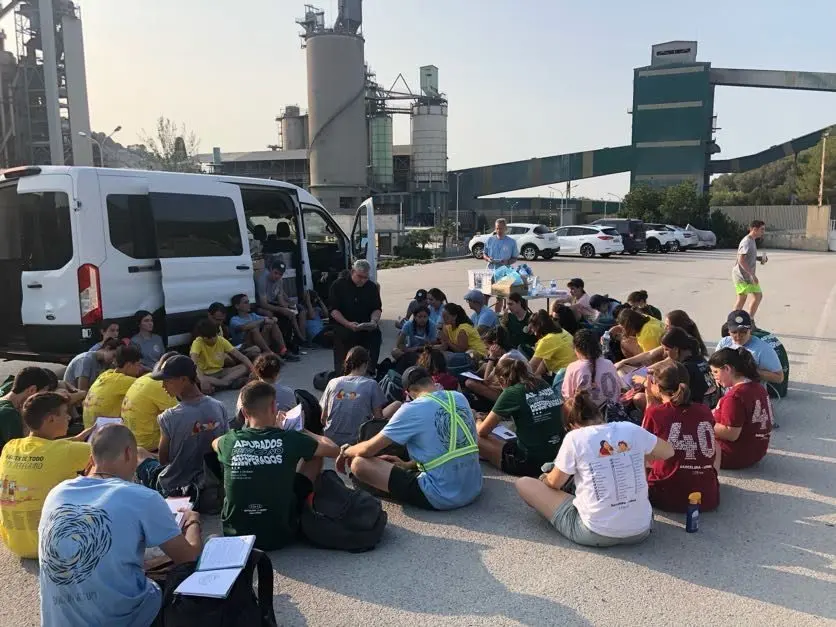
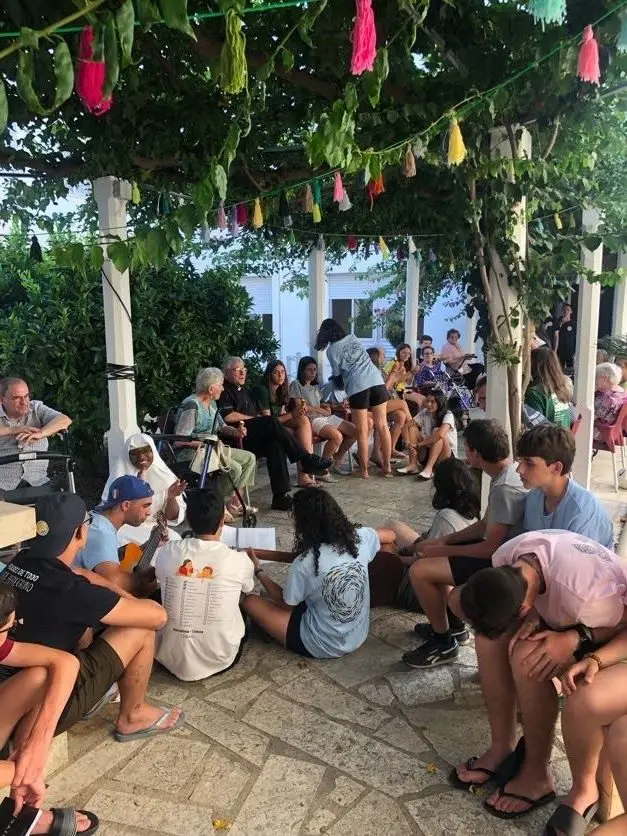
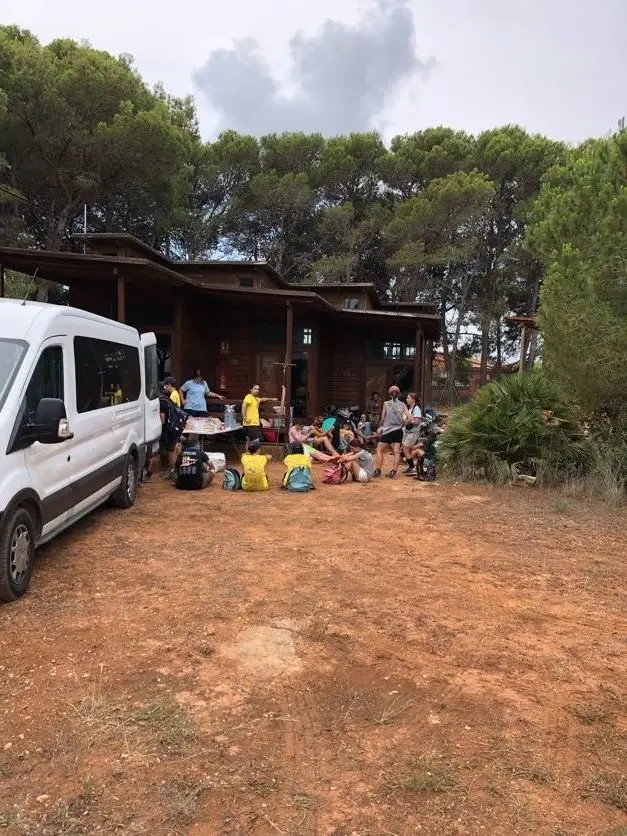
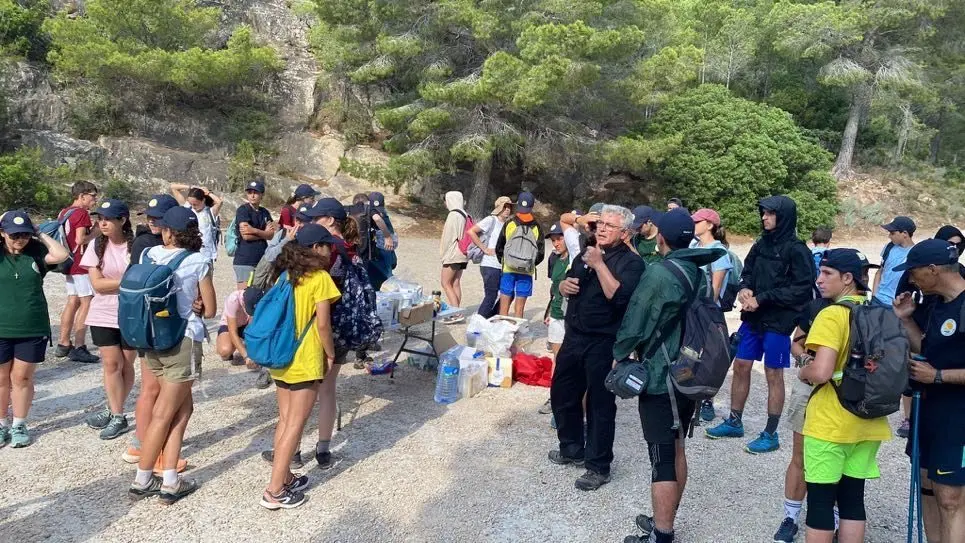
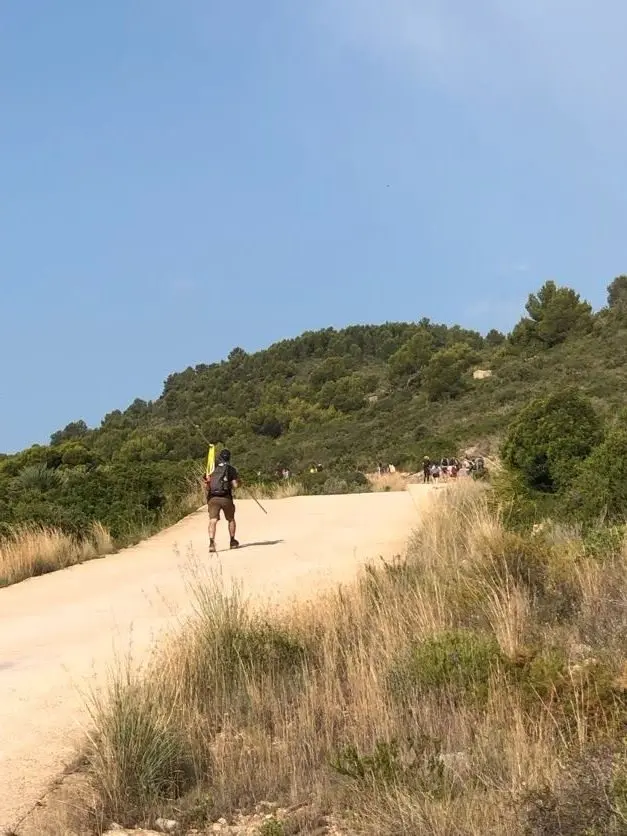
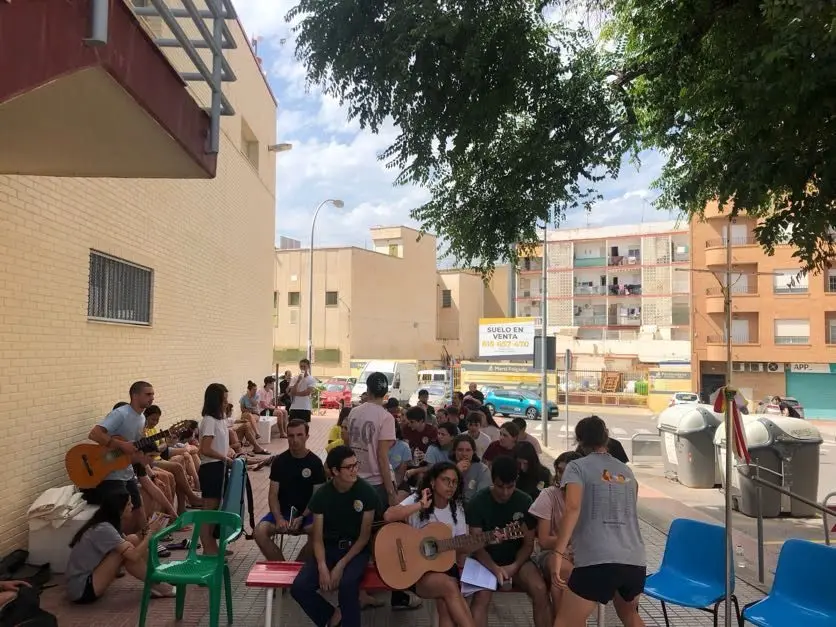
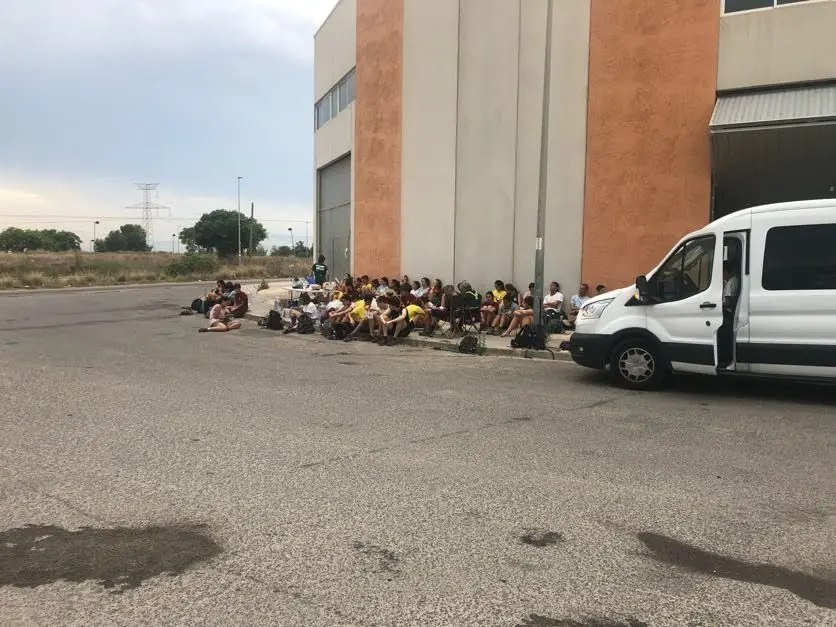
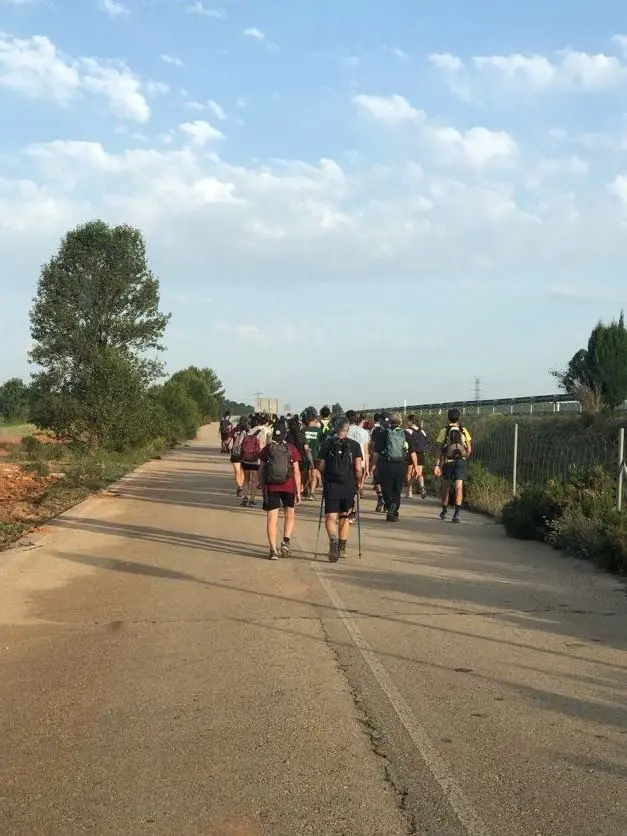
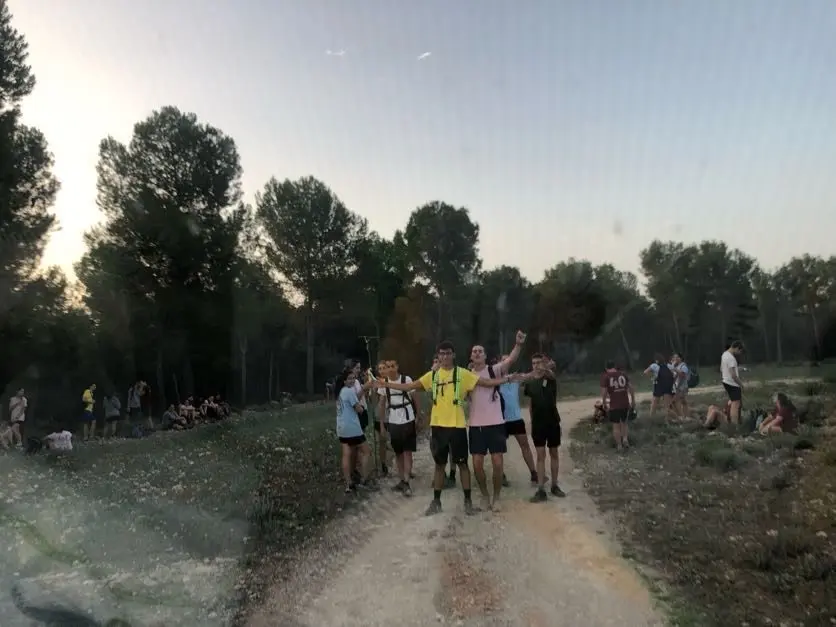
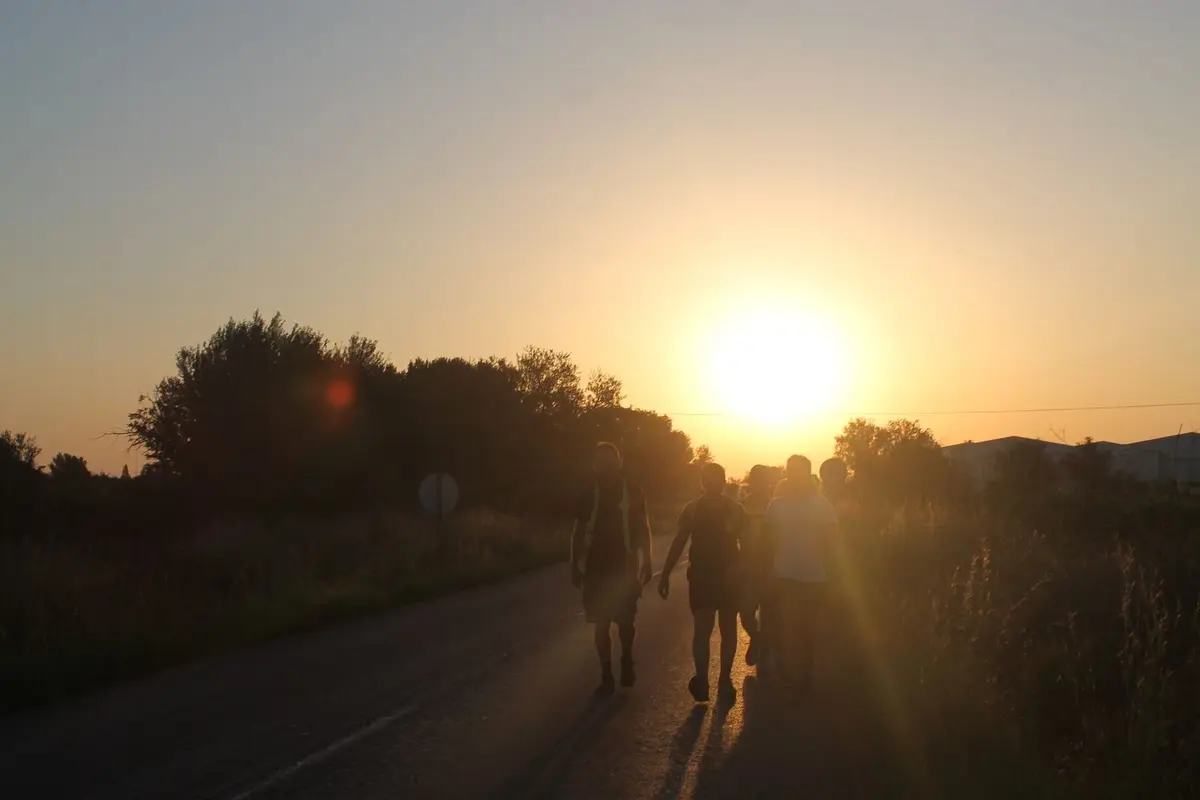
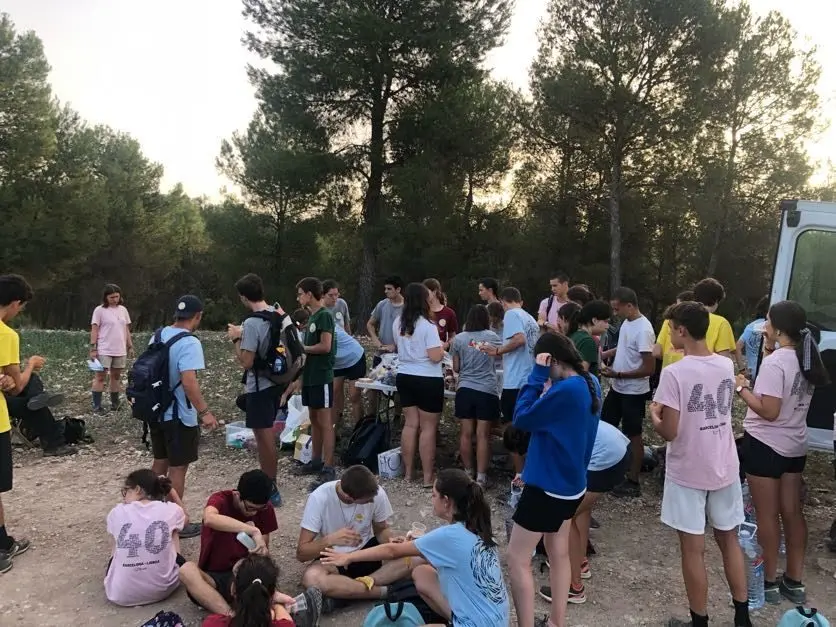
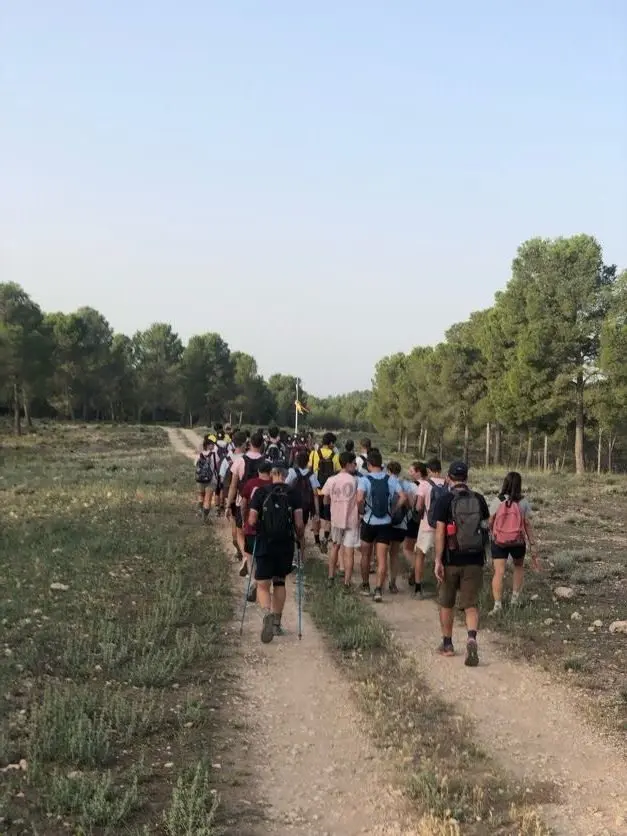
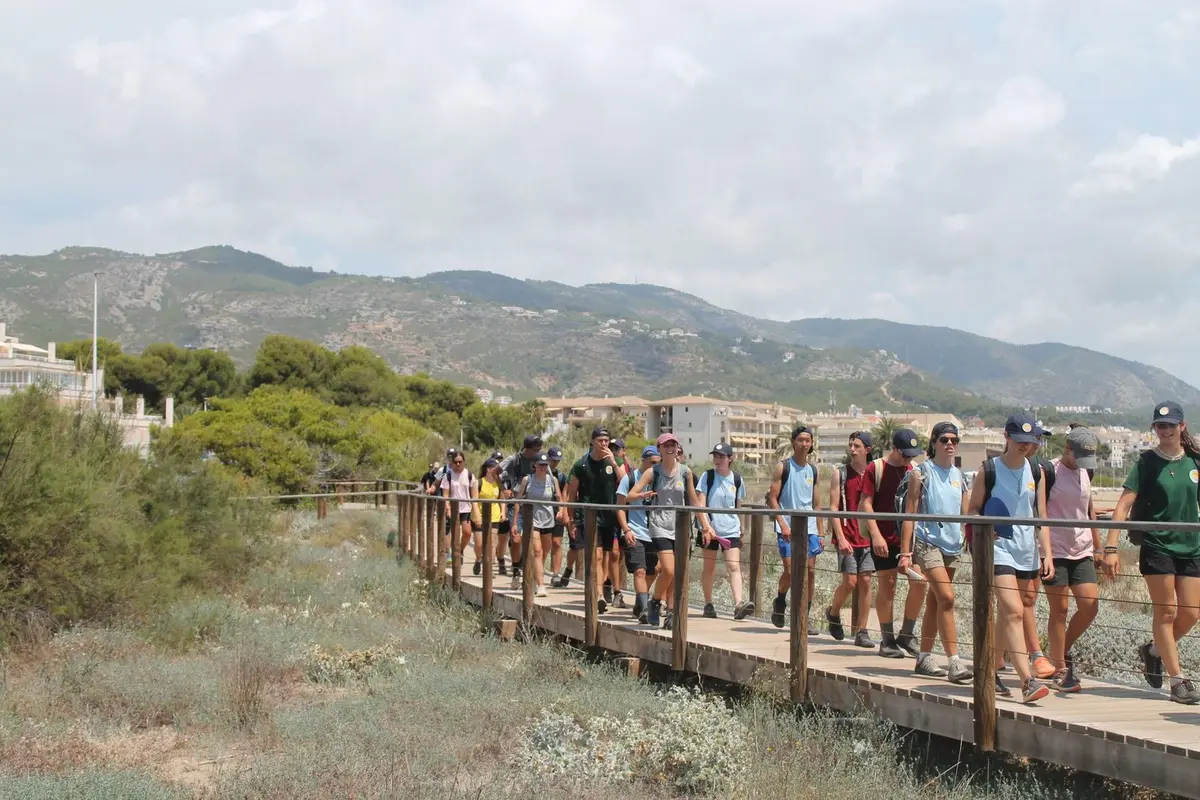
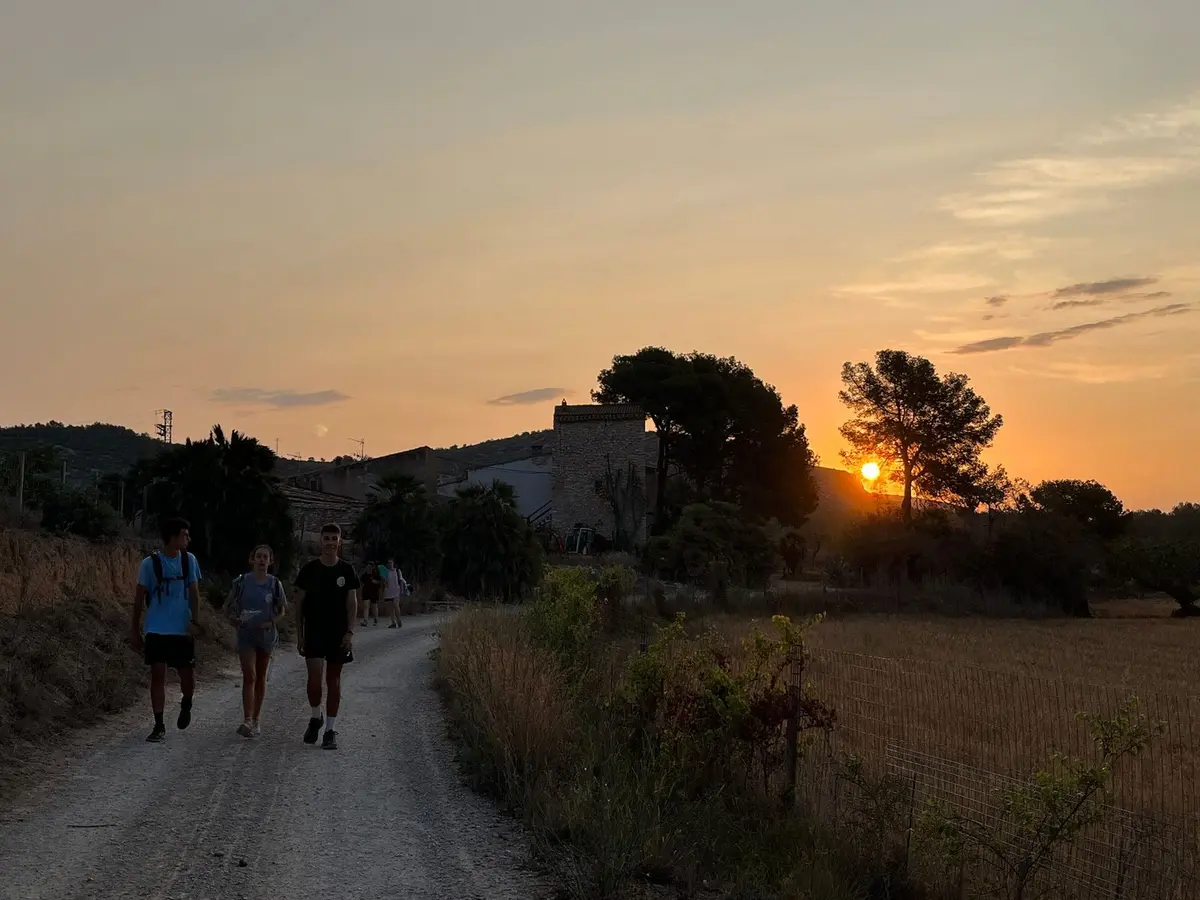
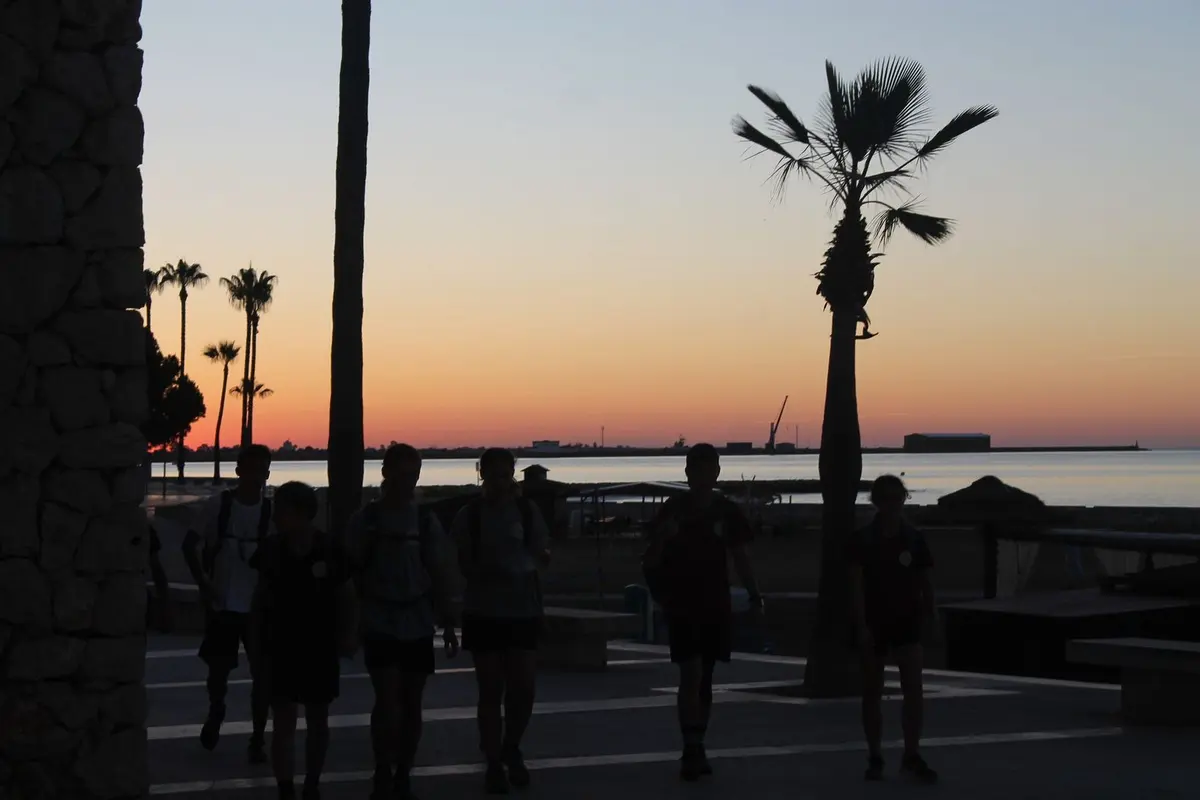
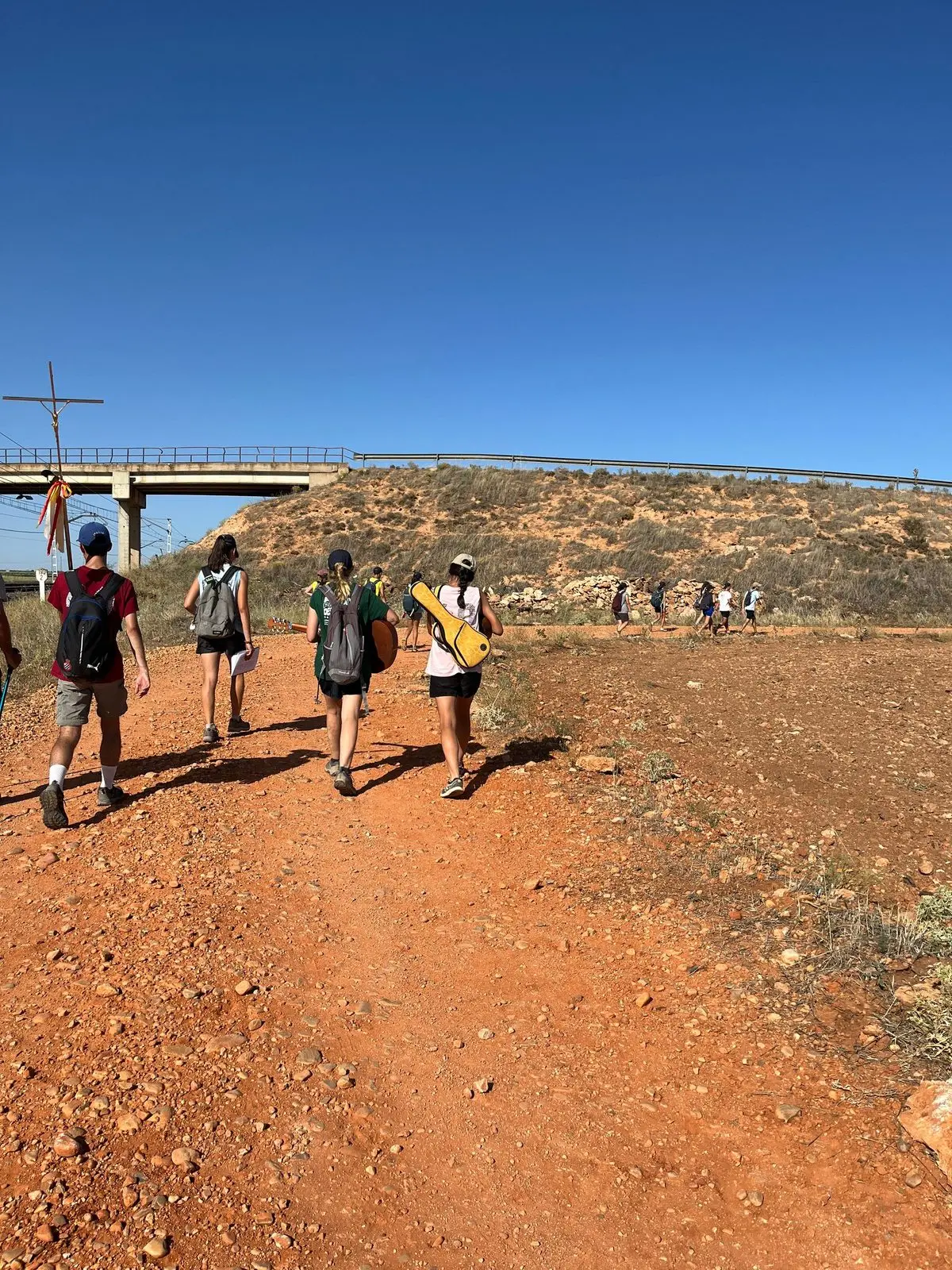
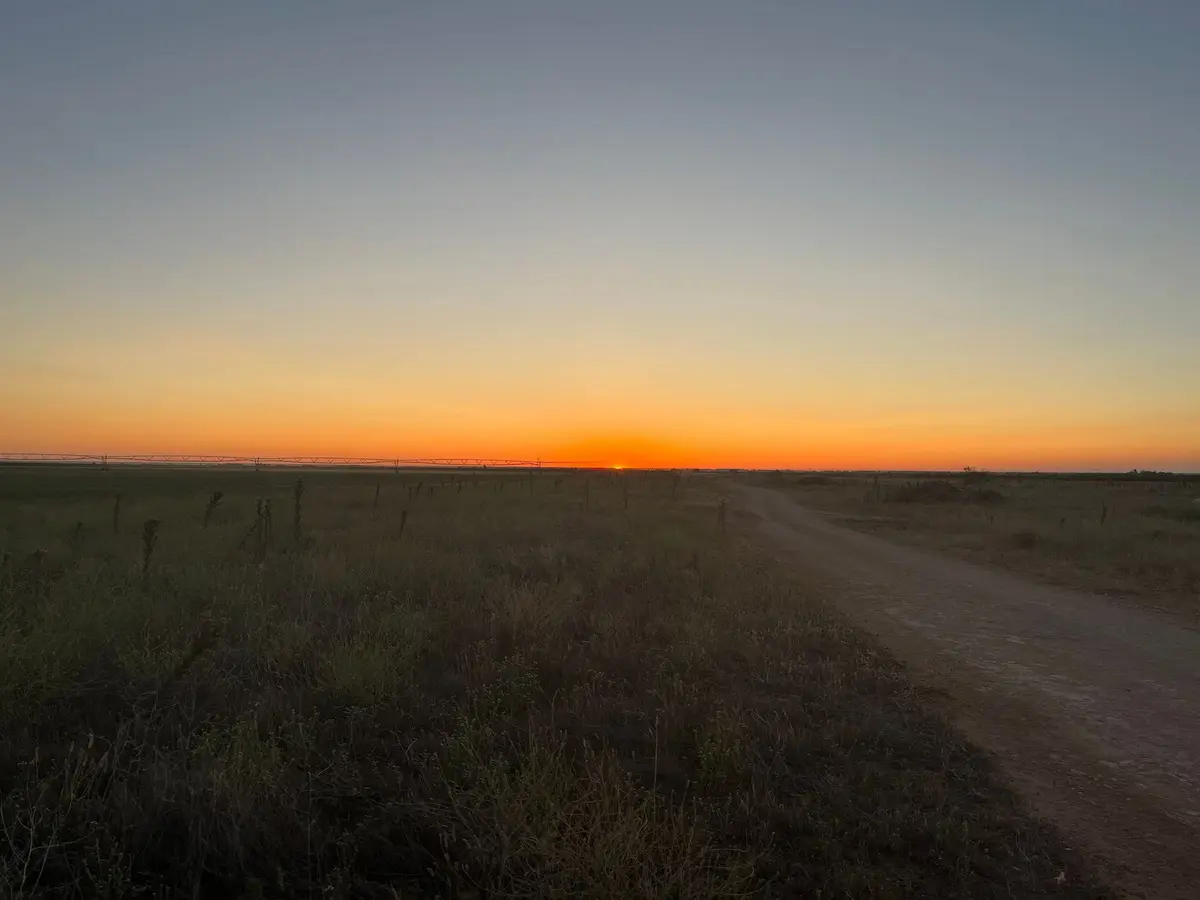
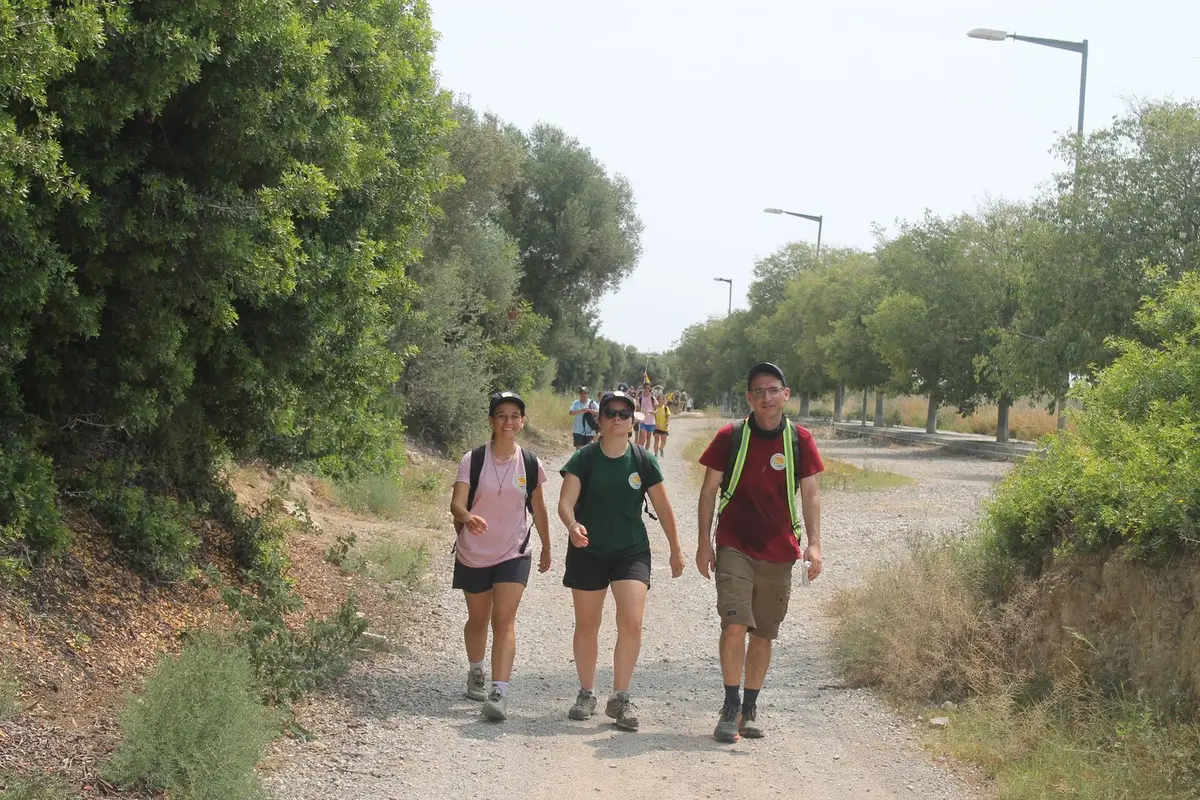
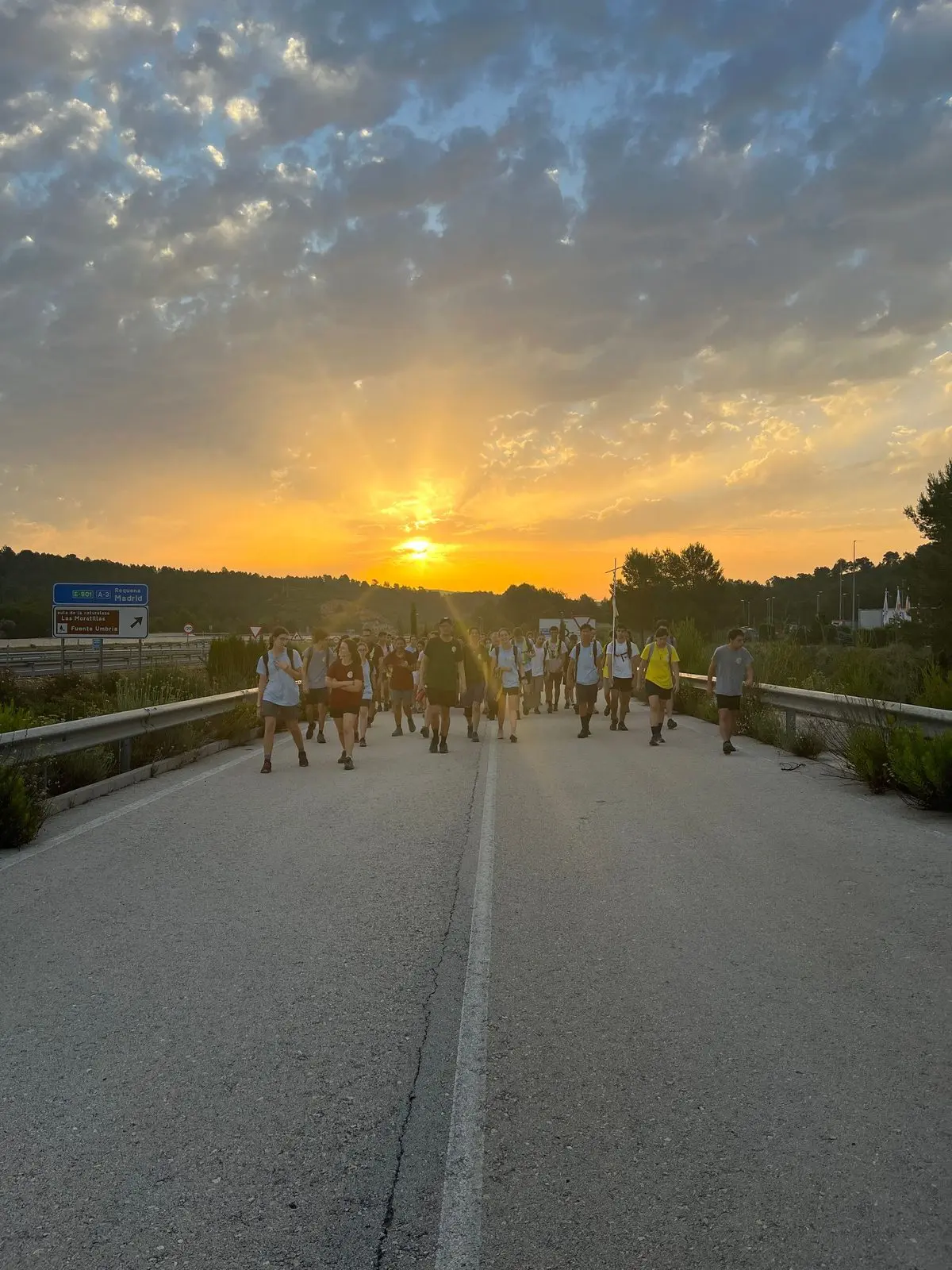
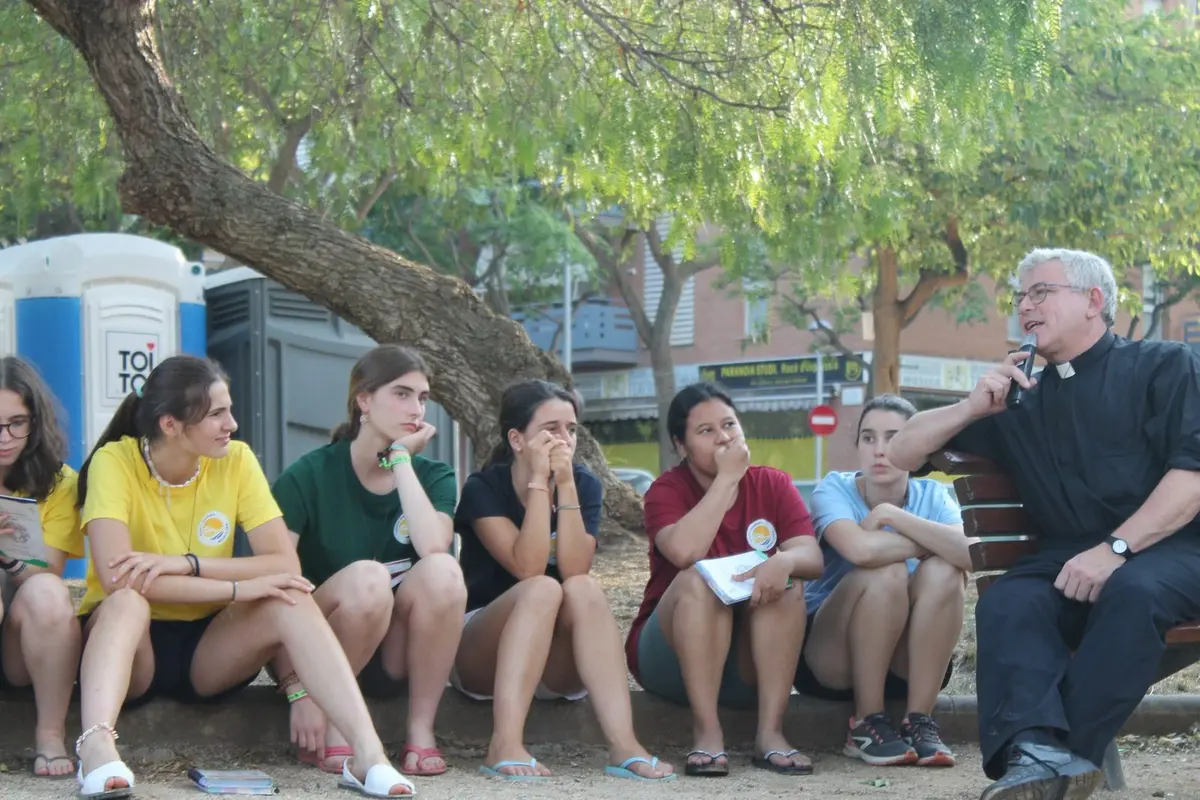
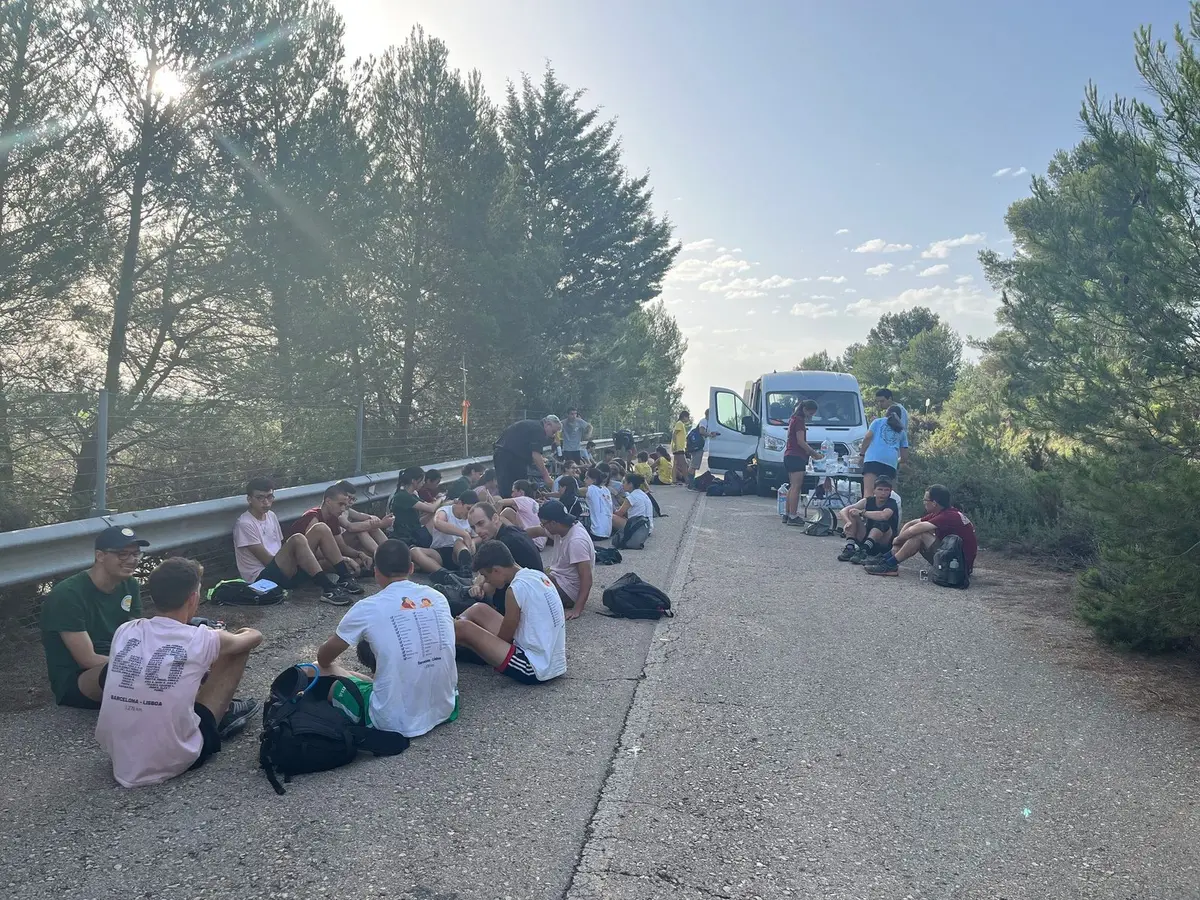
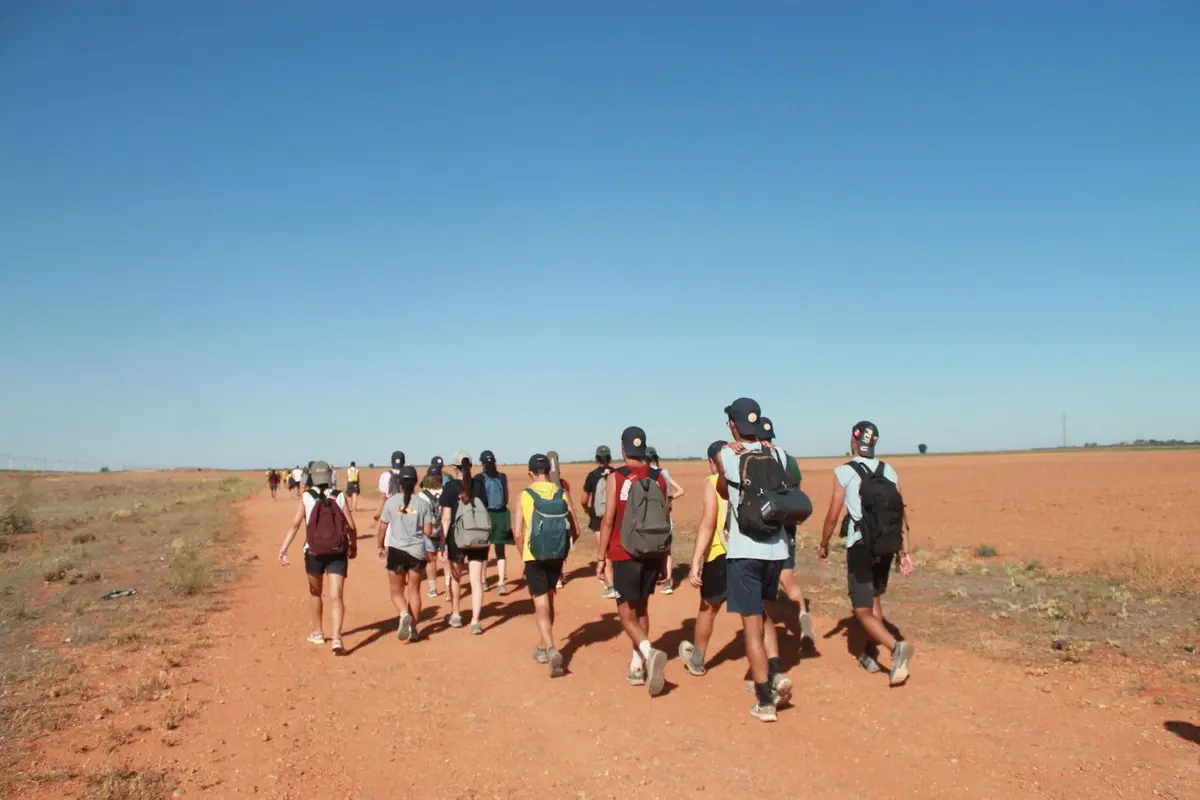
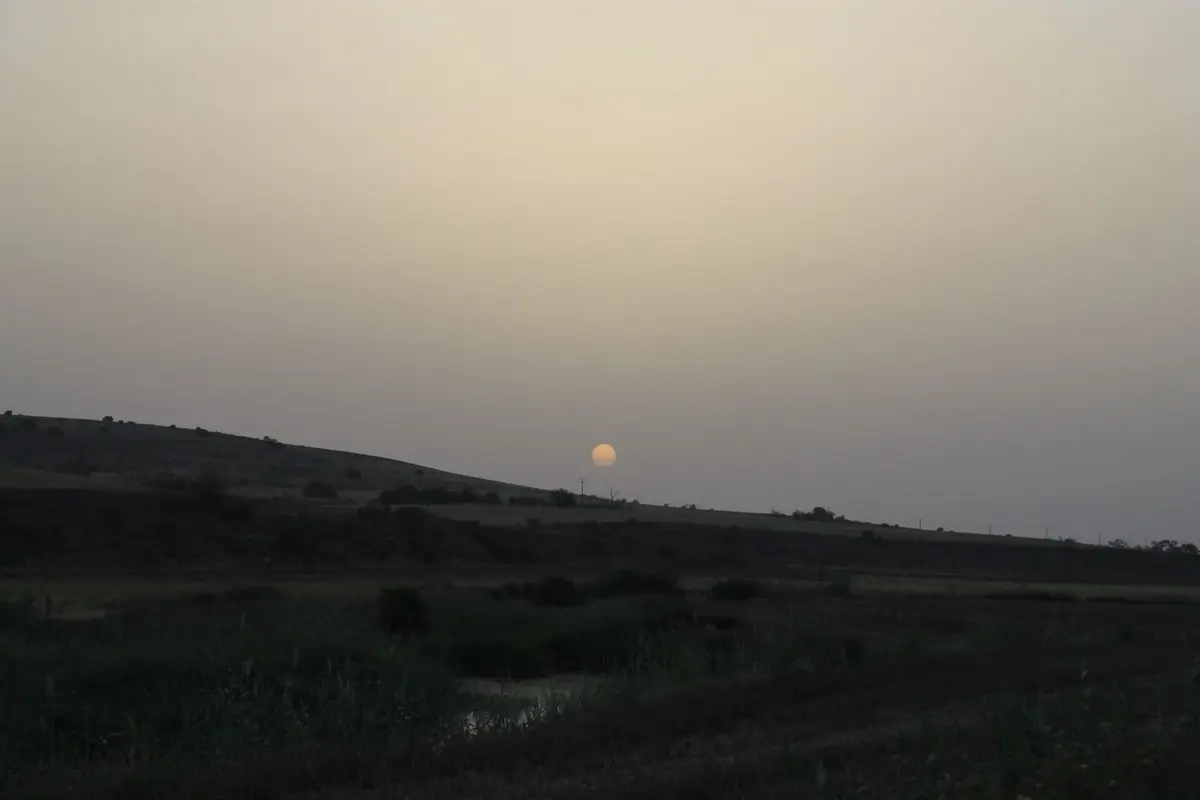
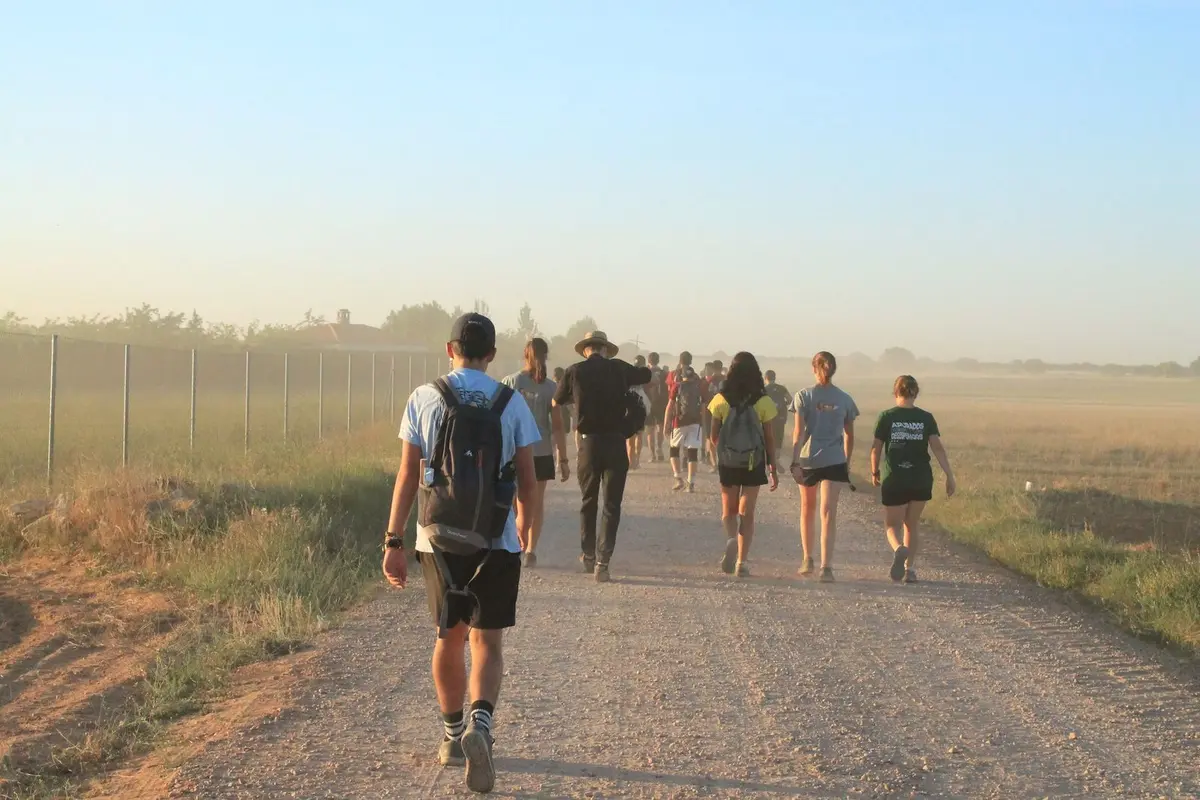
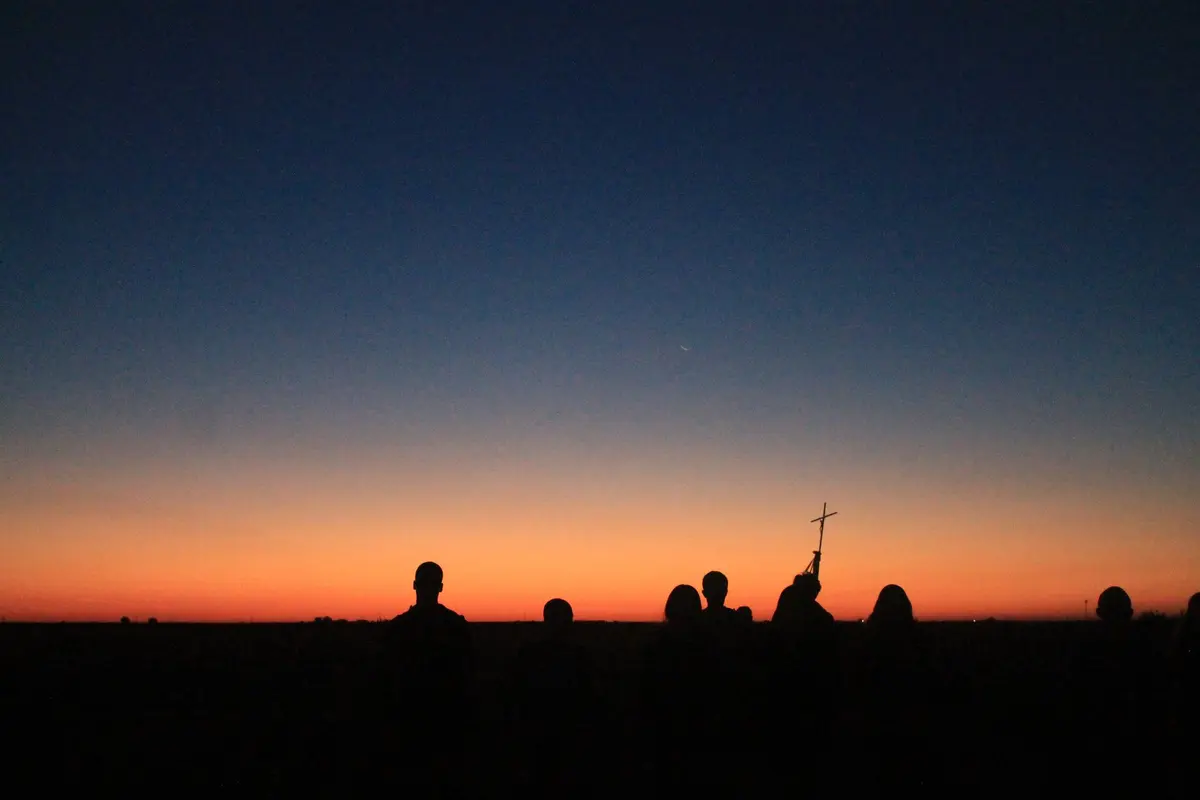
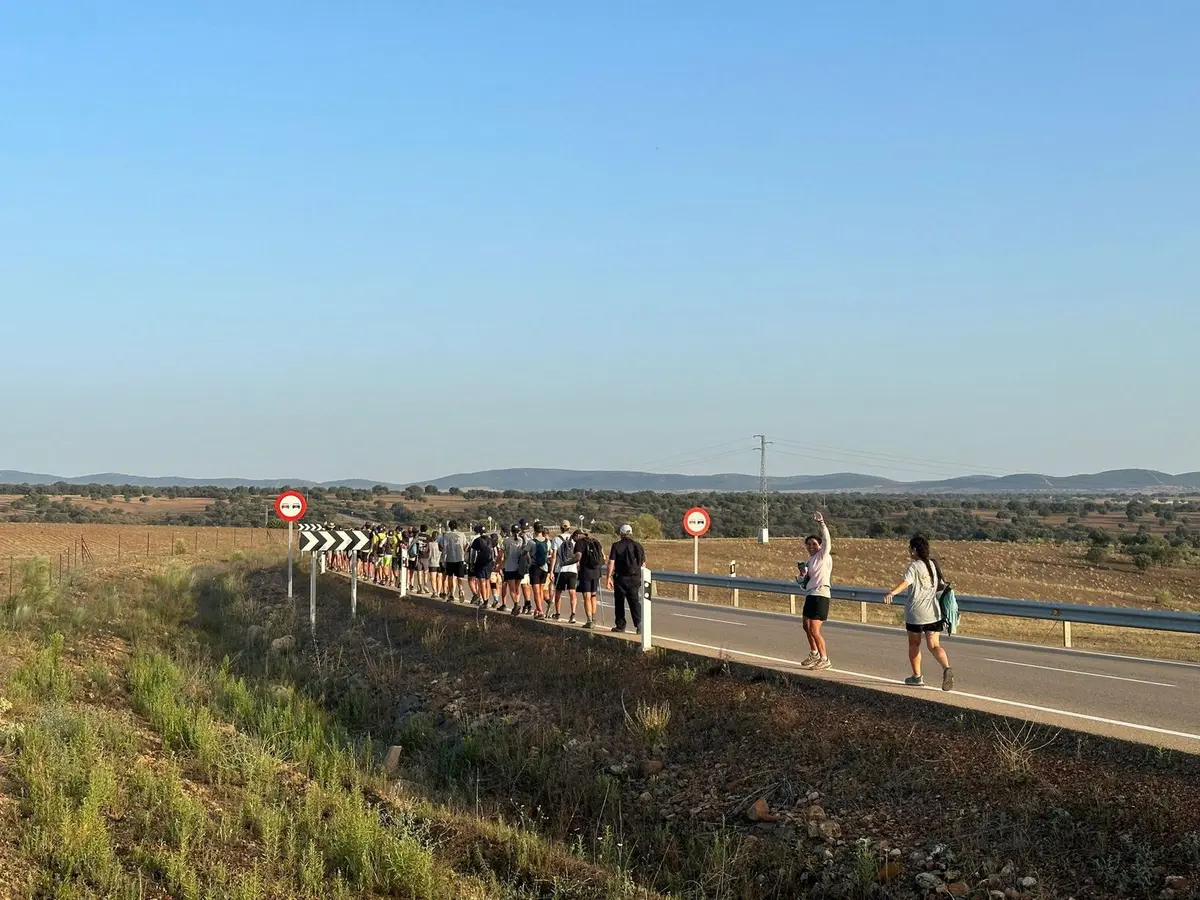
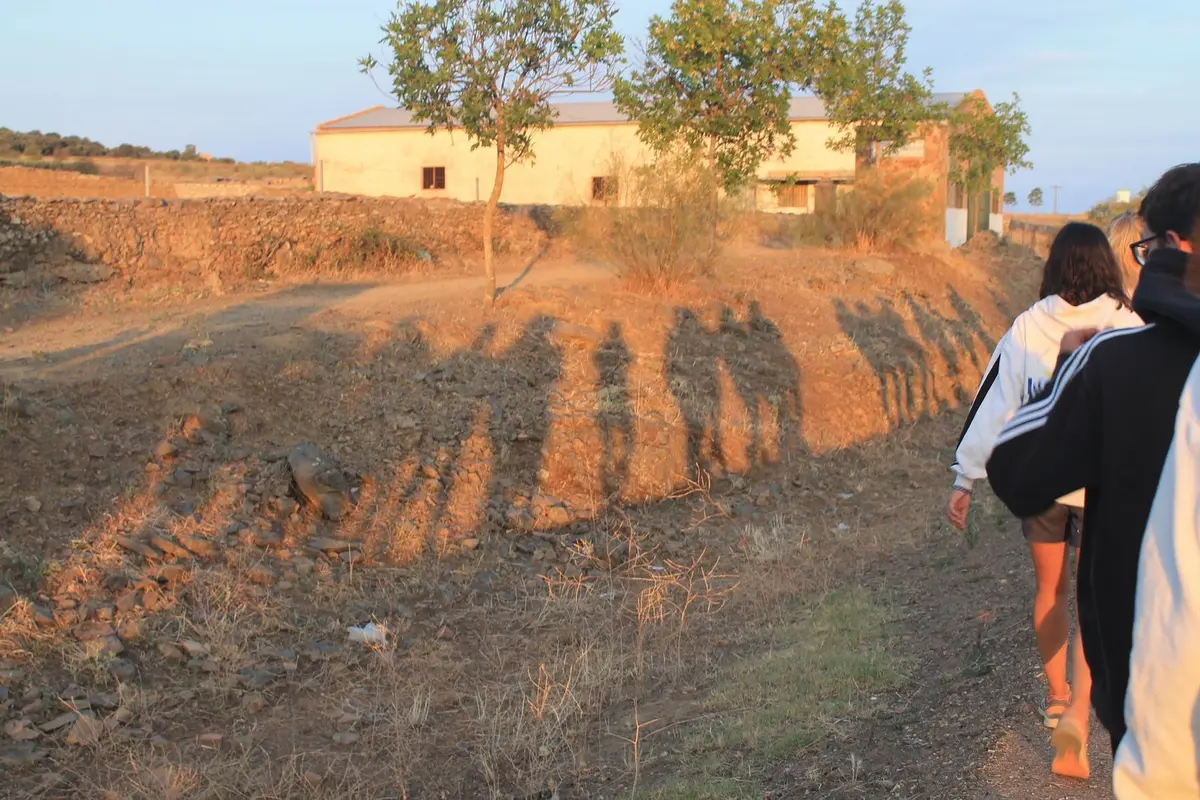
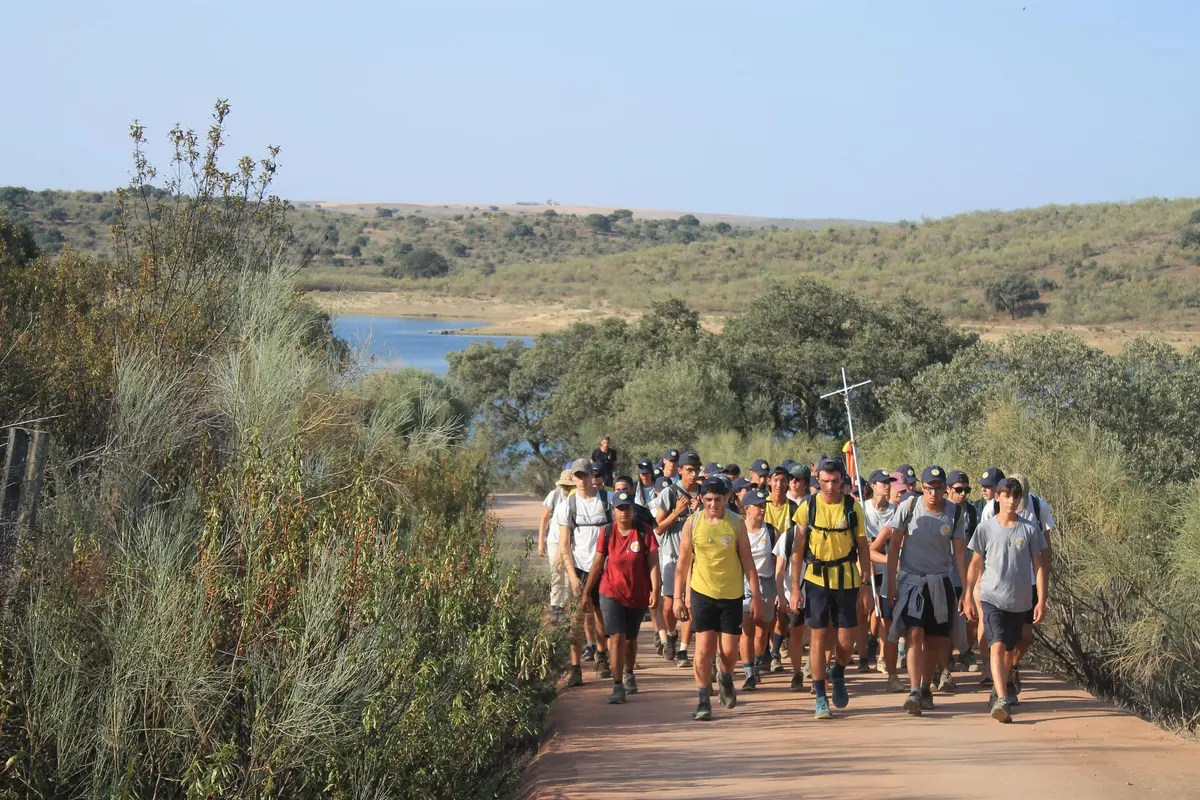
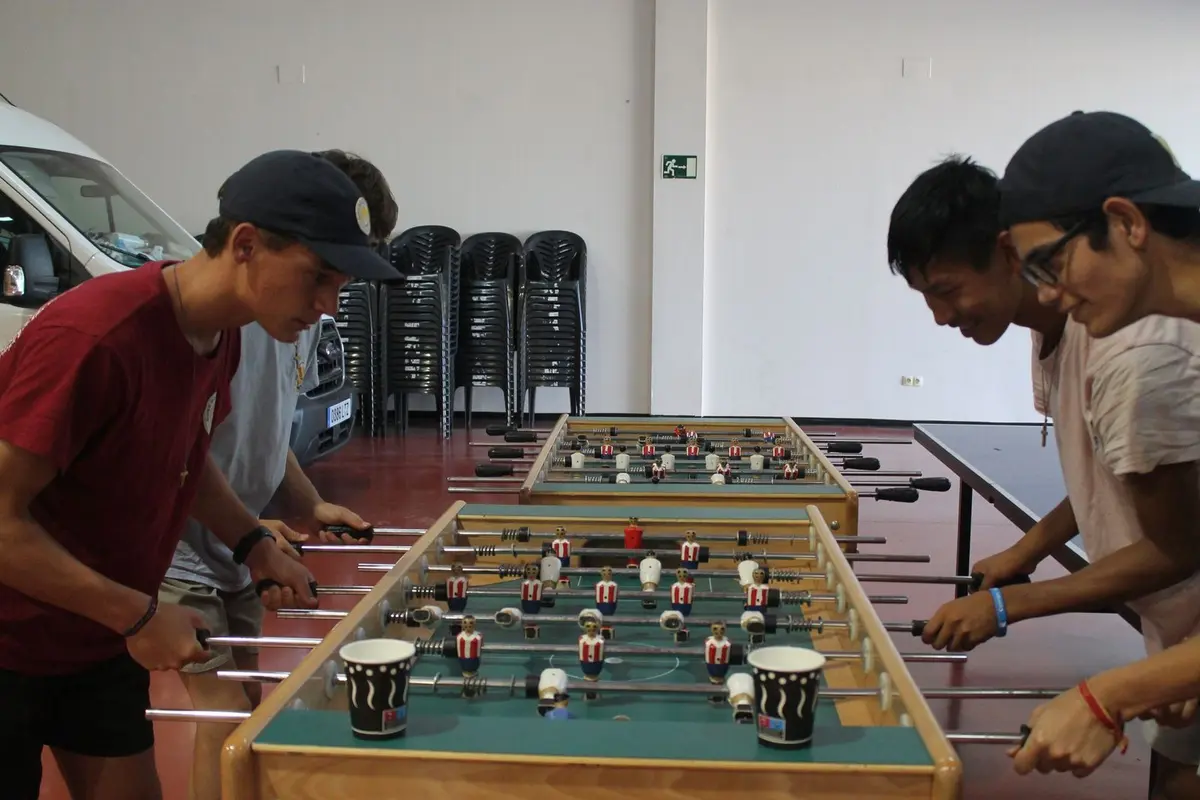
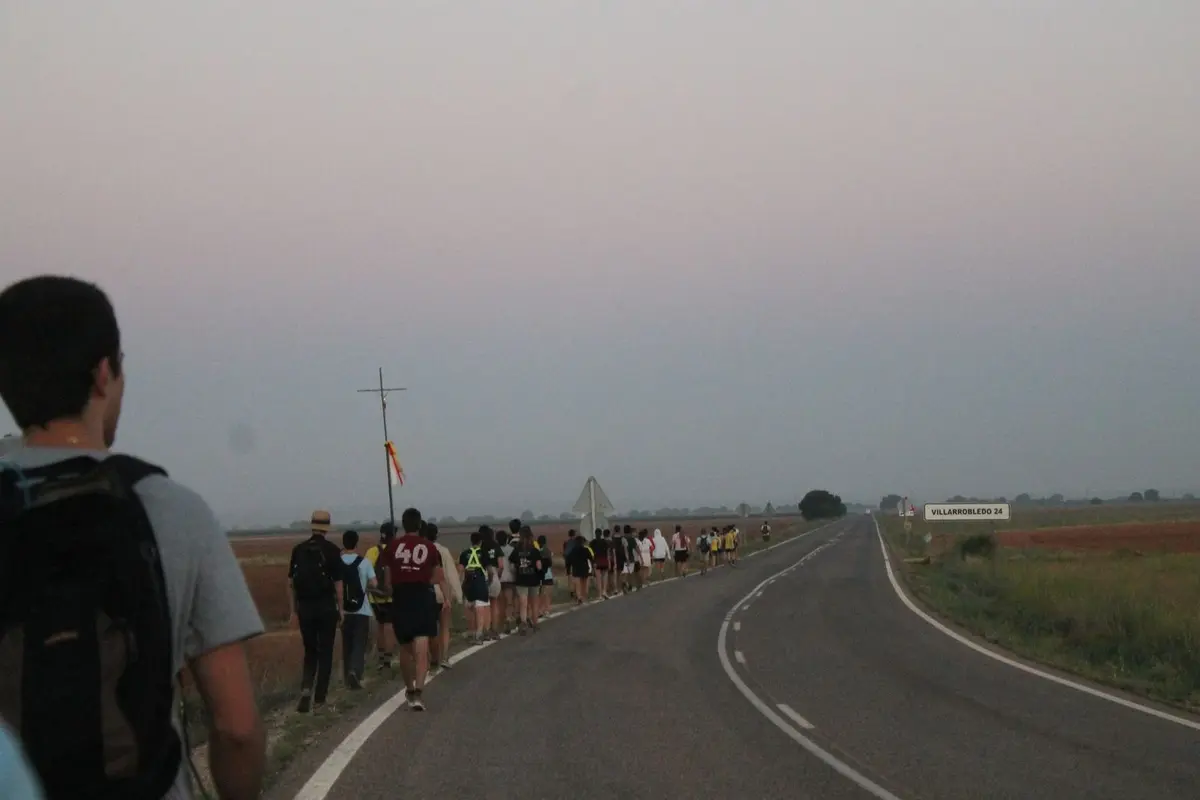
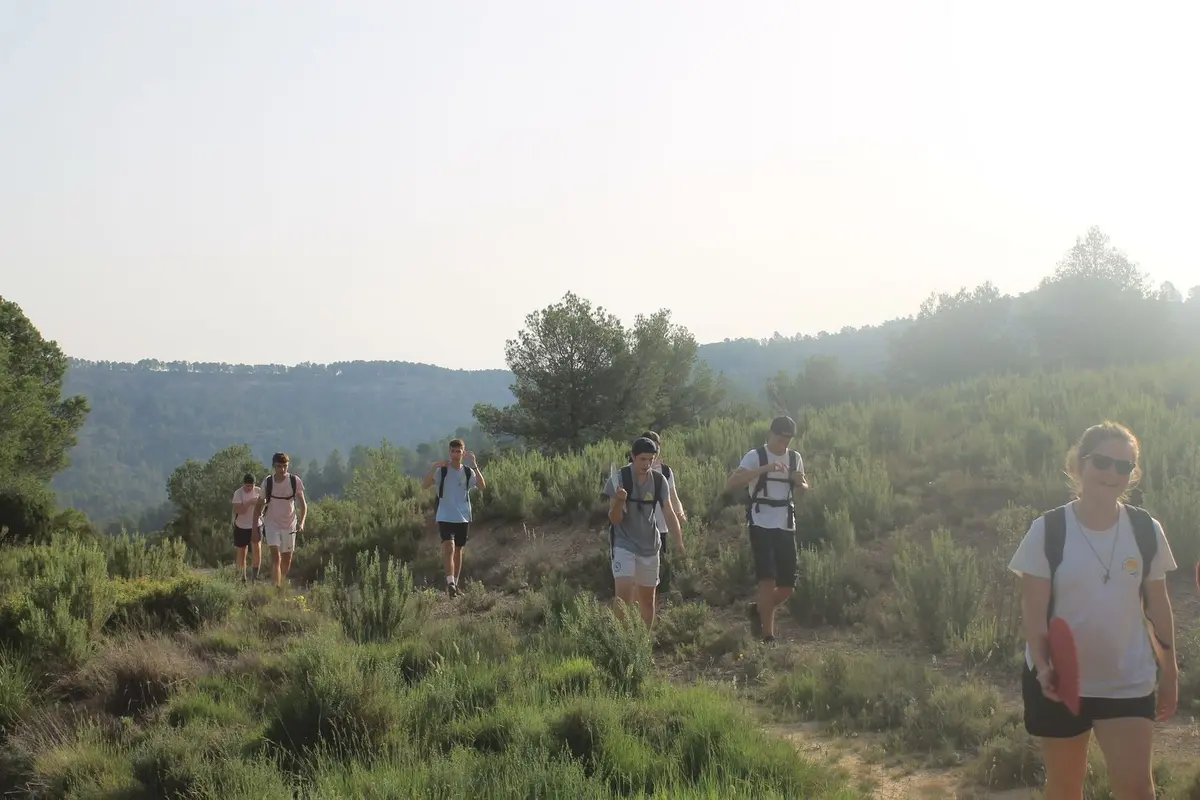
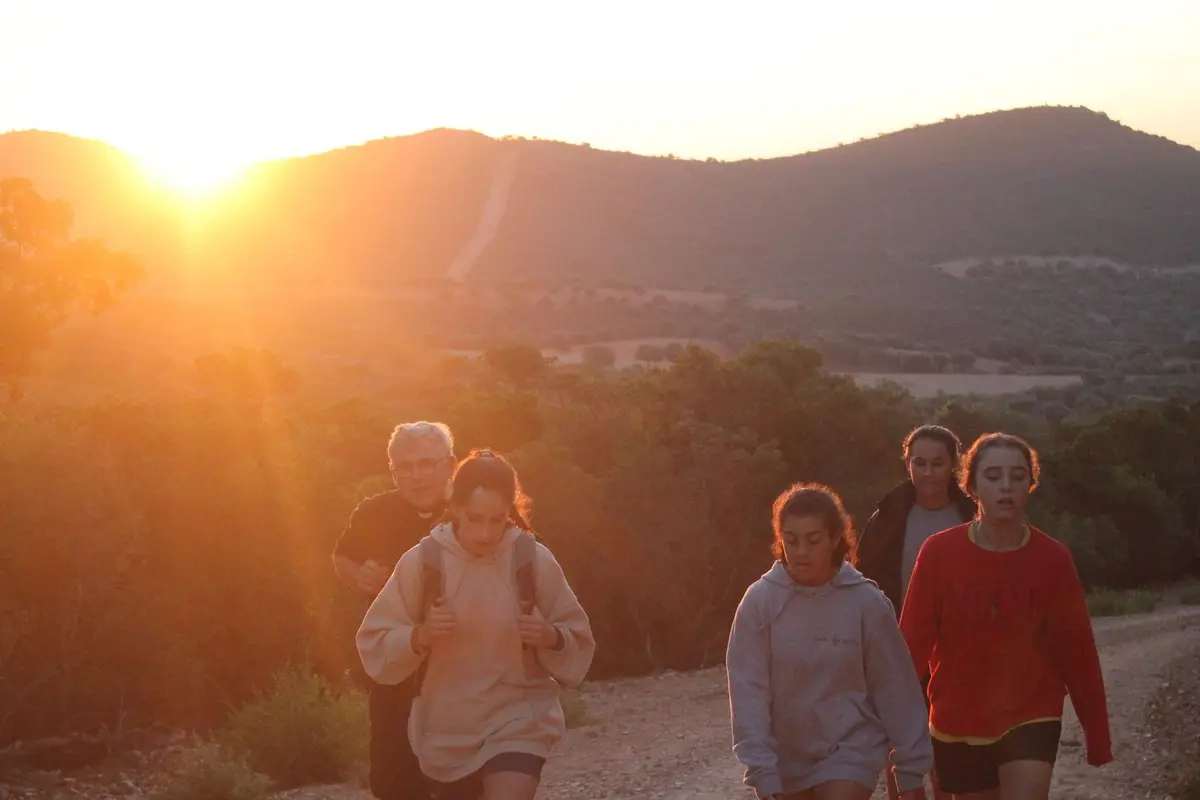
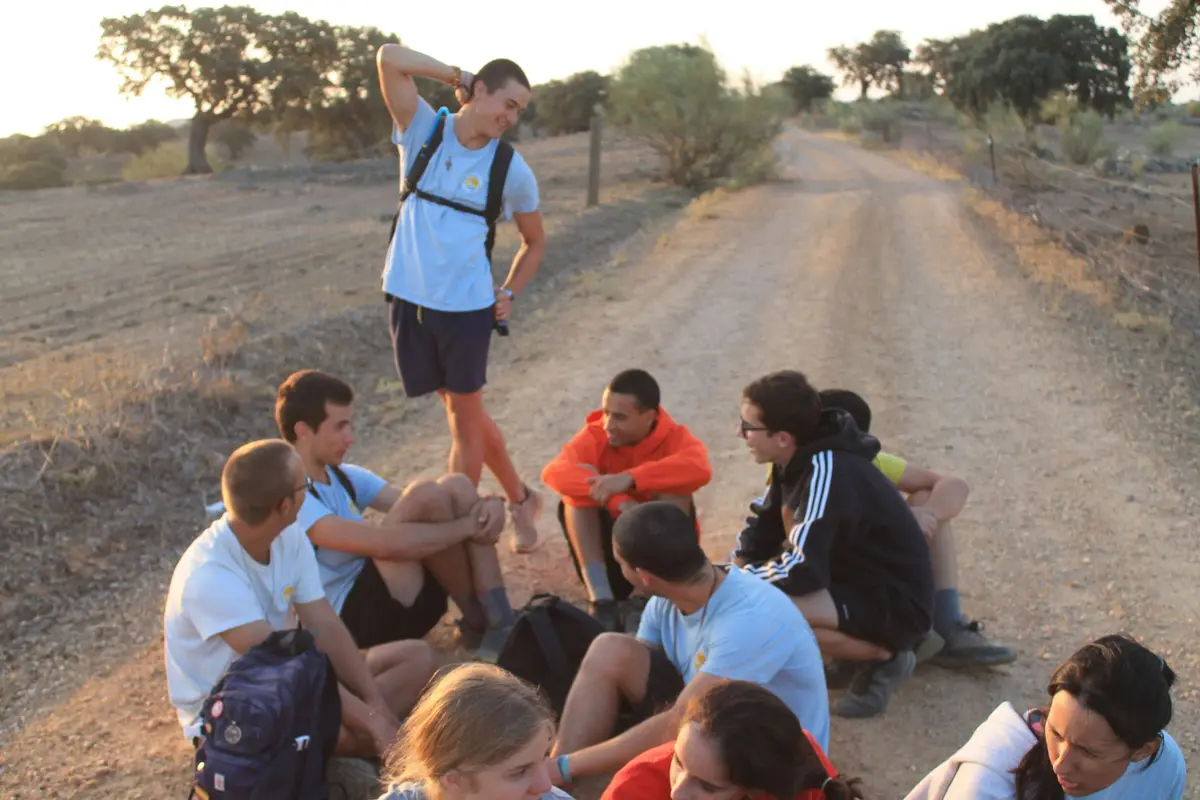
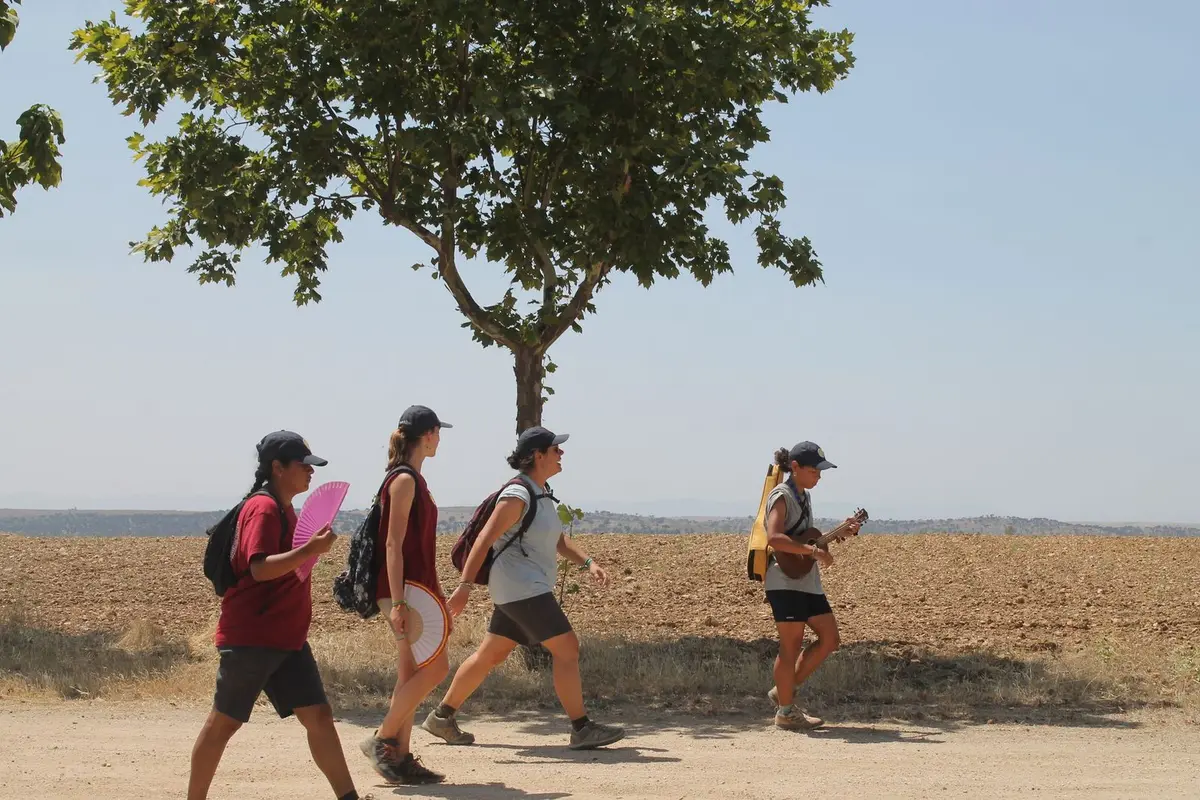
The days had a rhythm that repeated itself: the alarm at three in the morning (some days at two, to escape the sun), the first hour walking in silence and prayer, the breakfast stop with spiritual reading and the rosary, and the arrival. In the afternoon, what the chronicles called the trident: adoration, meditation and Mass. Then dinner, a get-together with guitars, and Compline. Every day there was a letter from Moses in the pilgrim’s book, and Fr Ferran, Fr Toni and Fr Bernat preached. The logistics team, with Luis, a seminarian, and Jaime, had everything ready: one day they ended up loading 57 Decathlon air mattresses.
Along the coast and across La Mancha
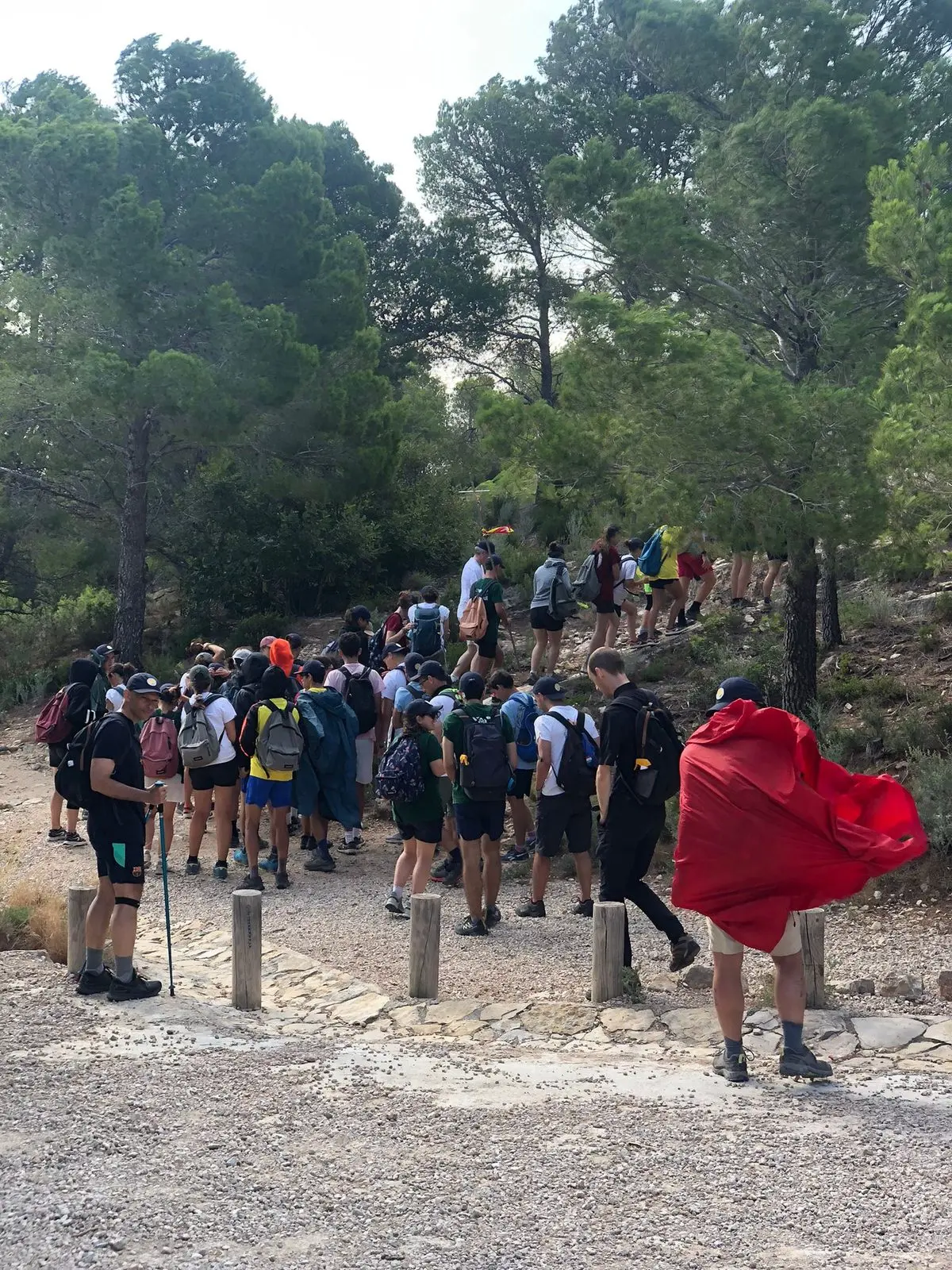
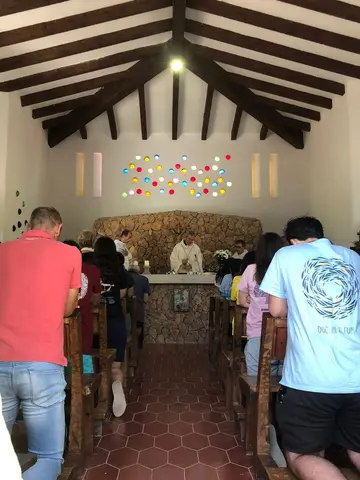
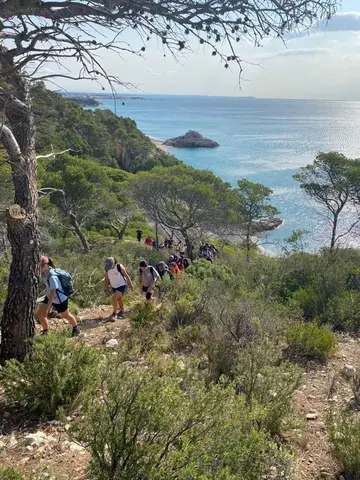
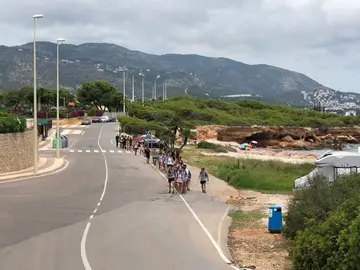
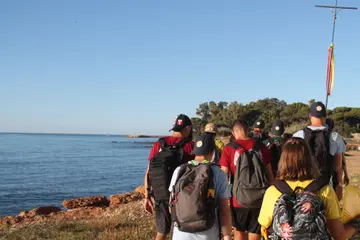
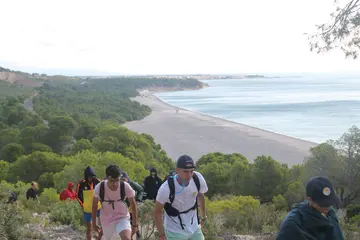
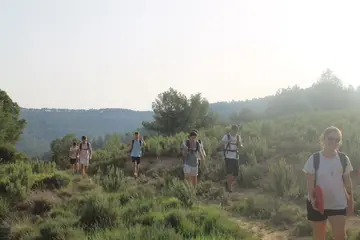
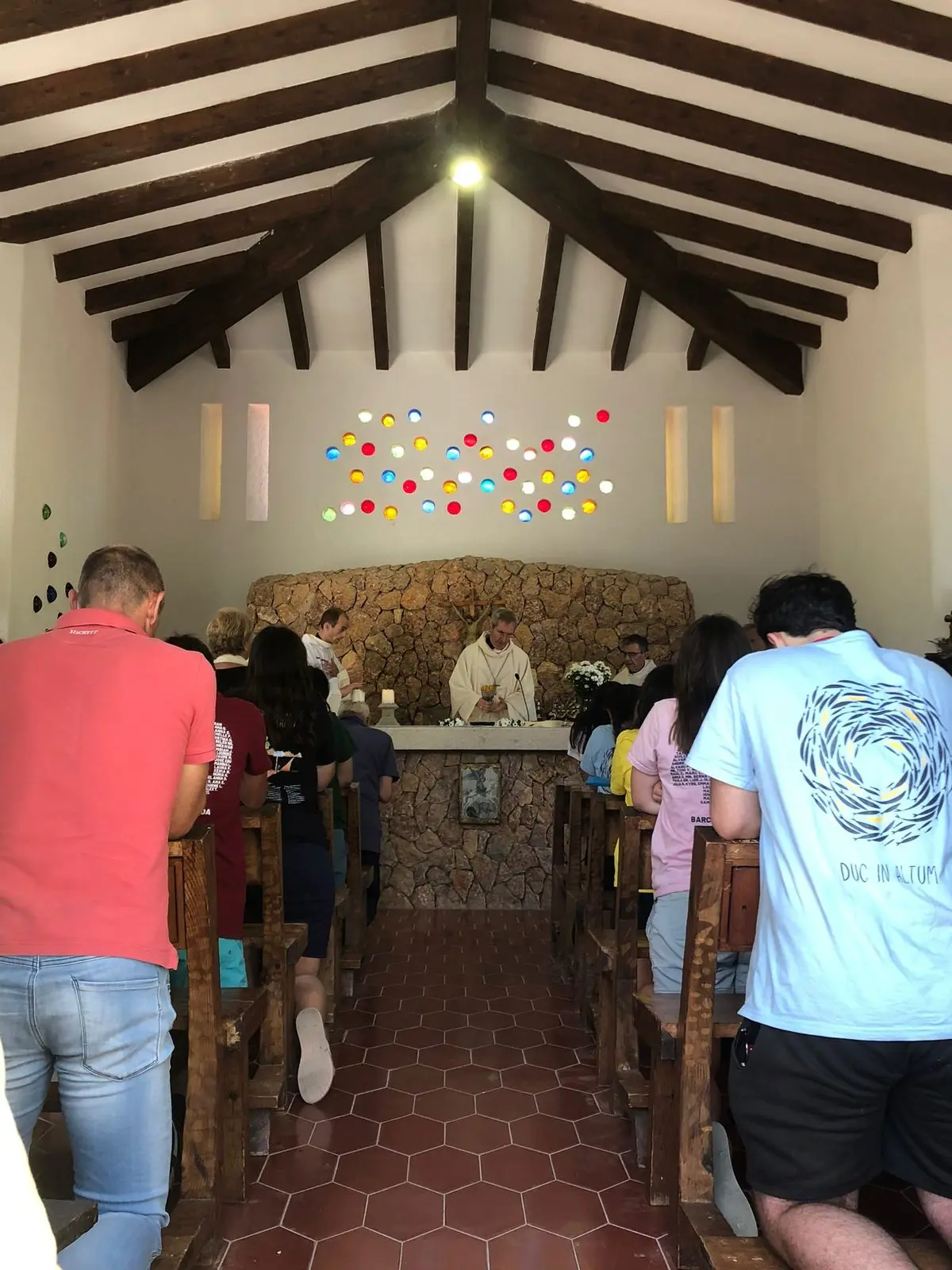
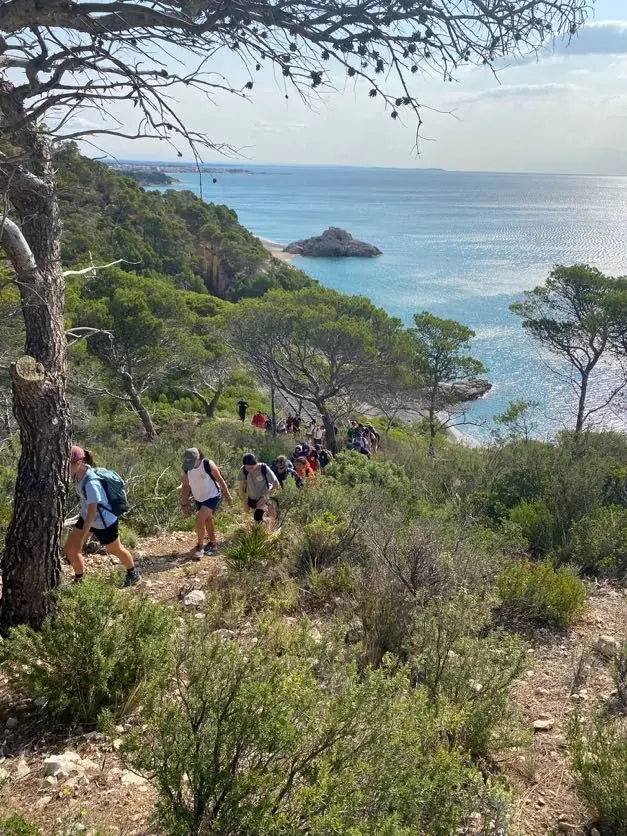
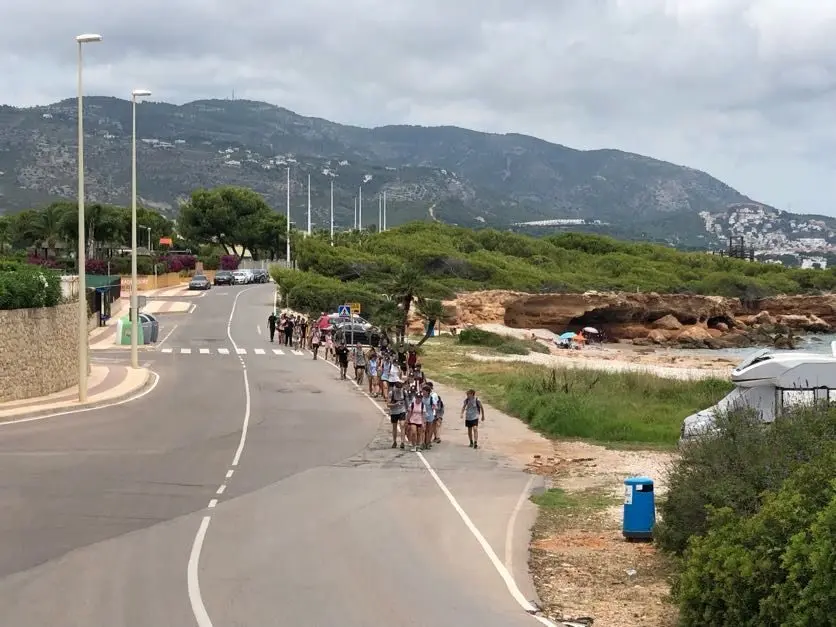
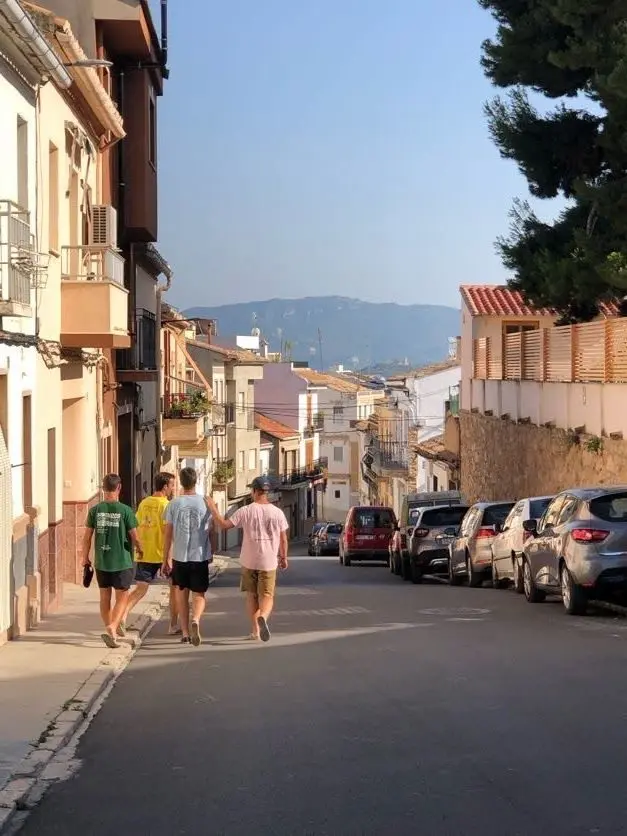
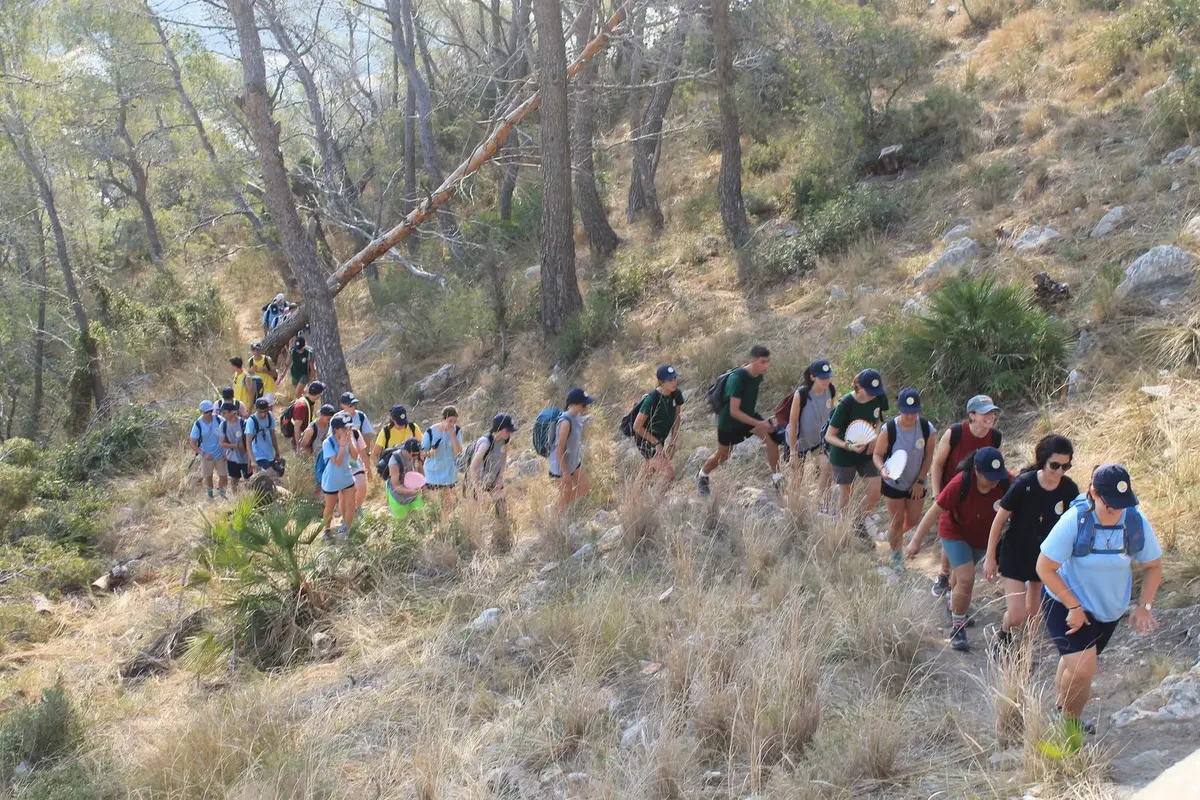
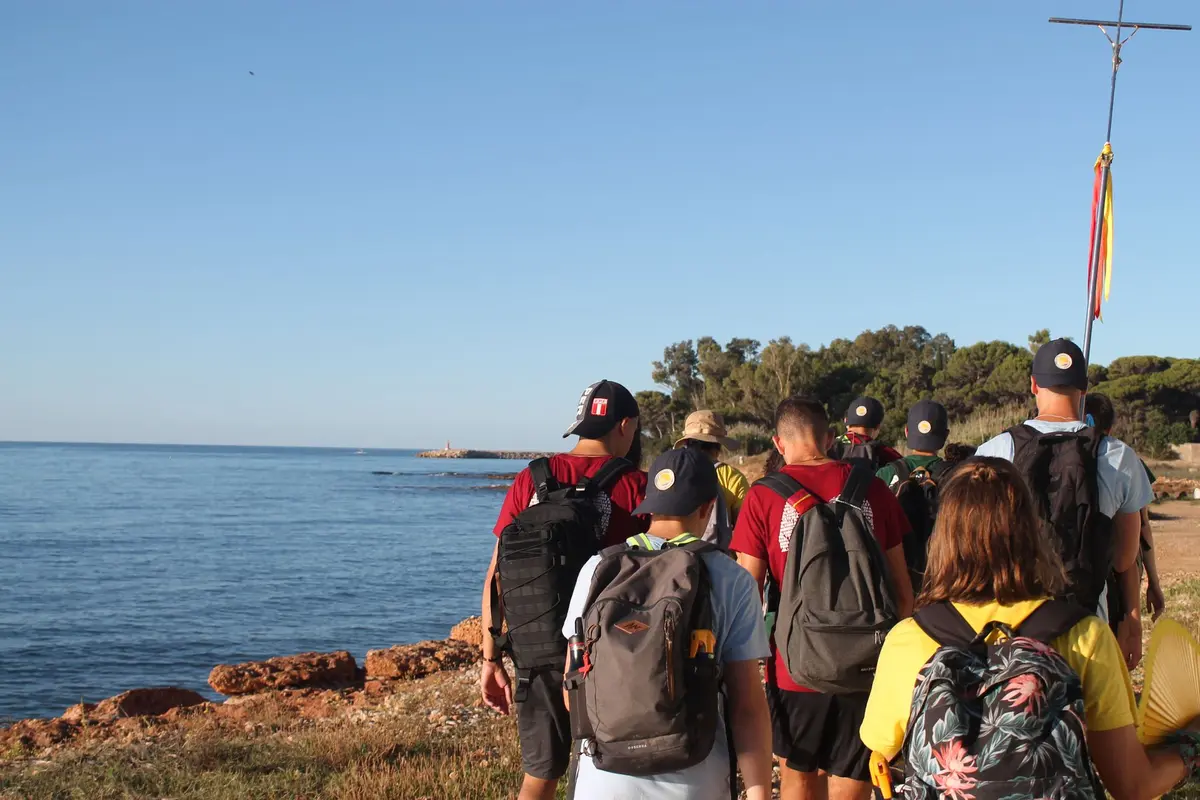
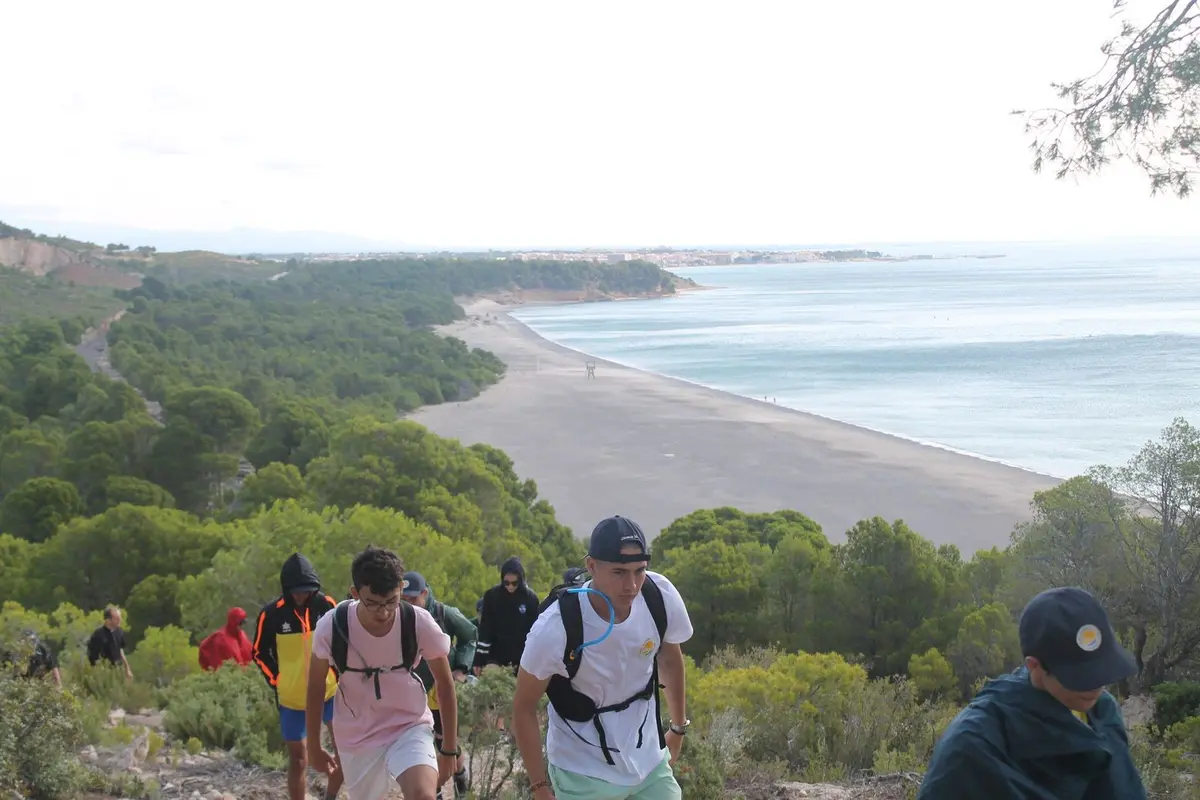
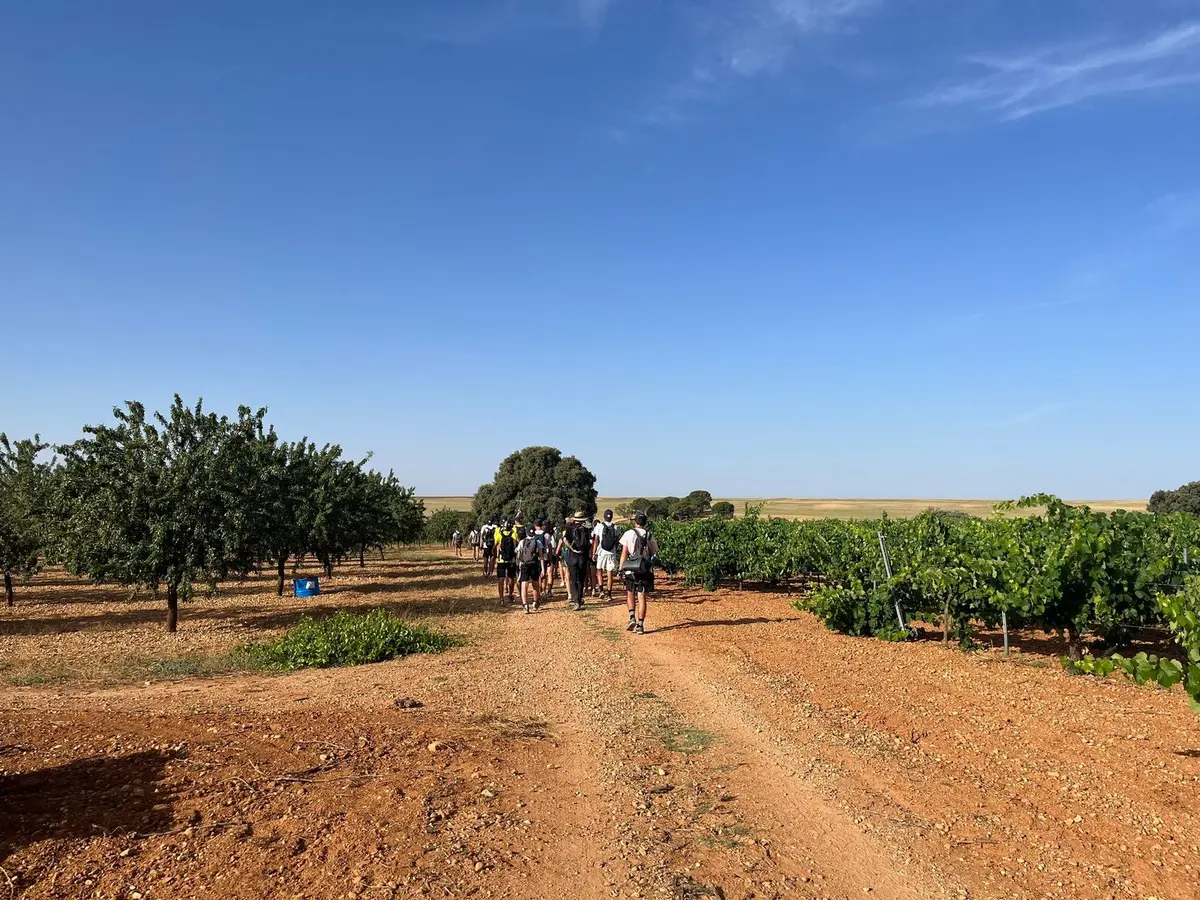
In the first weeks they followed the coast: the Garraf, Sitges crossed singing from one end to the other, the wind on the beaches of Tarragona, the rice fields of the Ebro delta with their mosquitoes, Peñíscola. On 30 June, Auxiliary Bishop Javier Vilanova walked a stage with them and celebrated Mass for them in a small chapel surrounded by pines. One rainy afternoon, Fr Toni had the idea of celebrating Mass inside a bungalow: the 55 pilgrims in a space meant for six, with “all the warmth of the first Christians in the catacombs”. From Sagunto onwards they left the sea, and inland came the toughest stages: one of 44 kilometres, with the alarm at two in the morning, and the “triad of death”, three stages in a row of around forty kilometres each. On 15 July, after twenty days, they celebrated having already done half of the pilgrimage.
The family of the Church
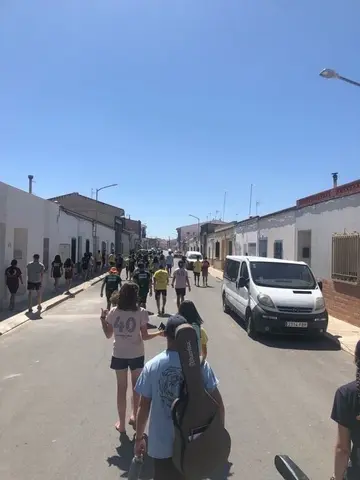
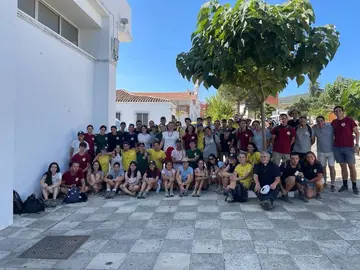
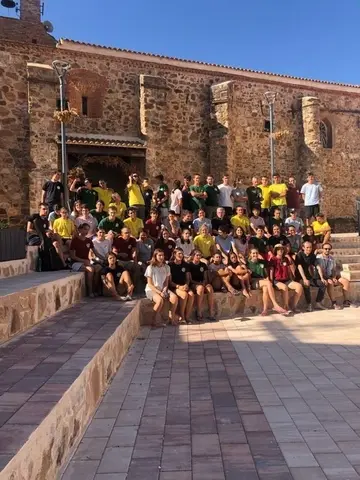
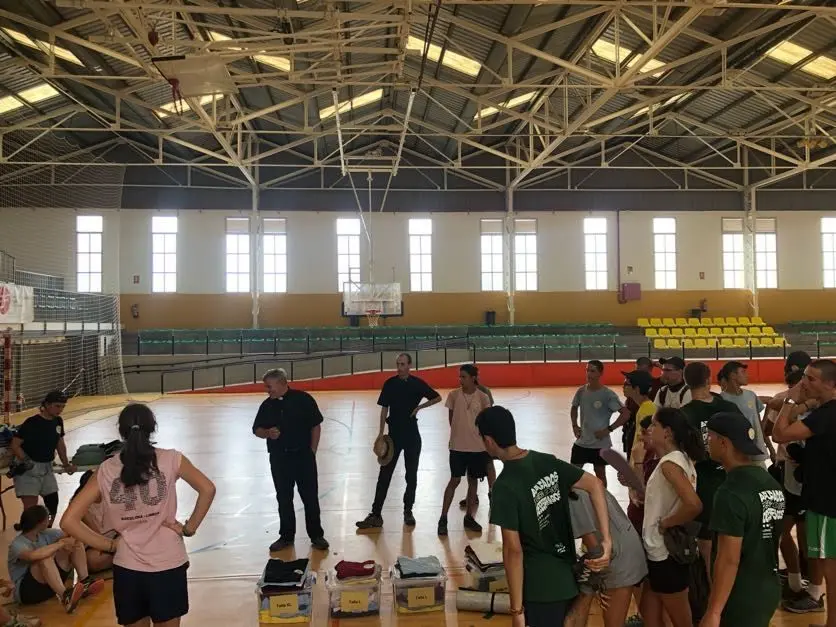
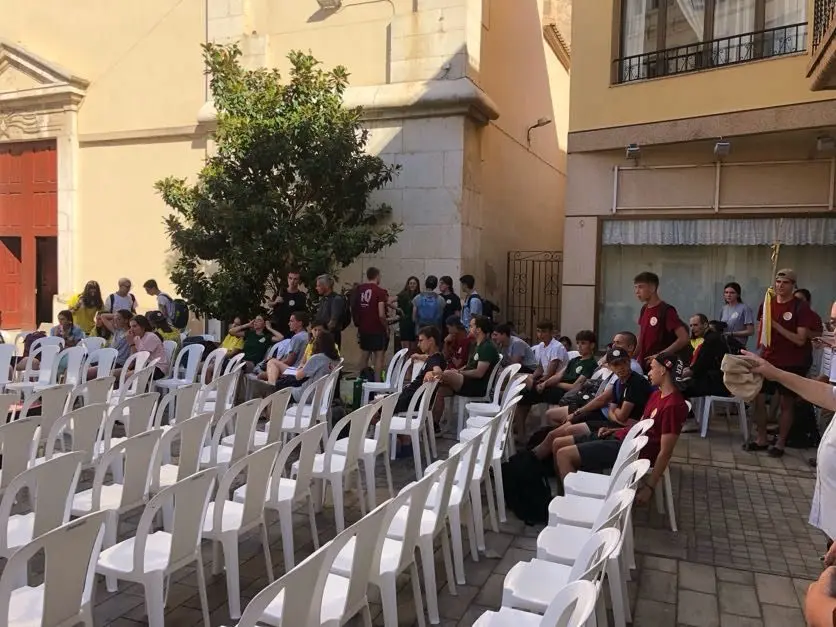
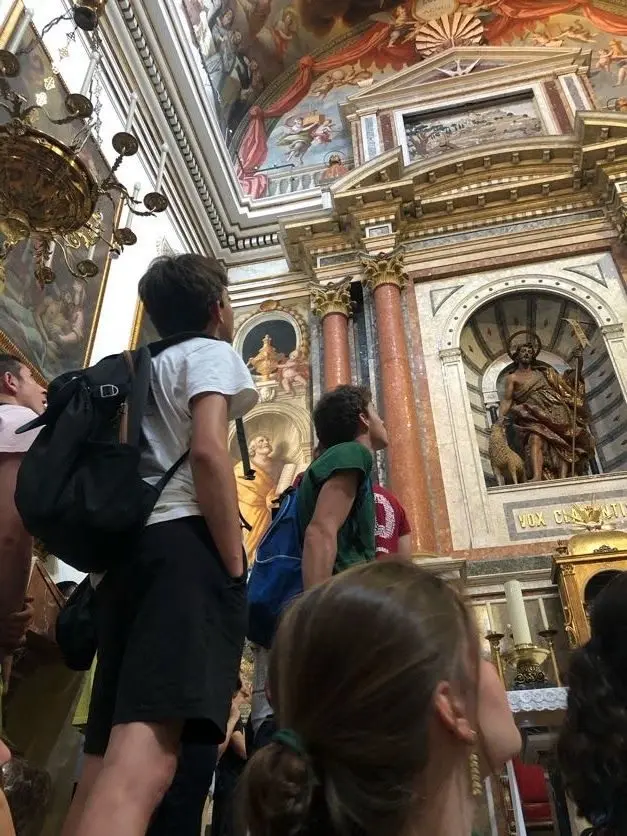
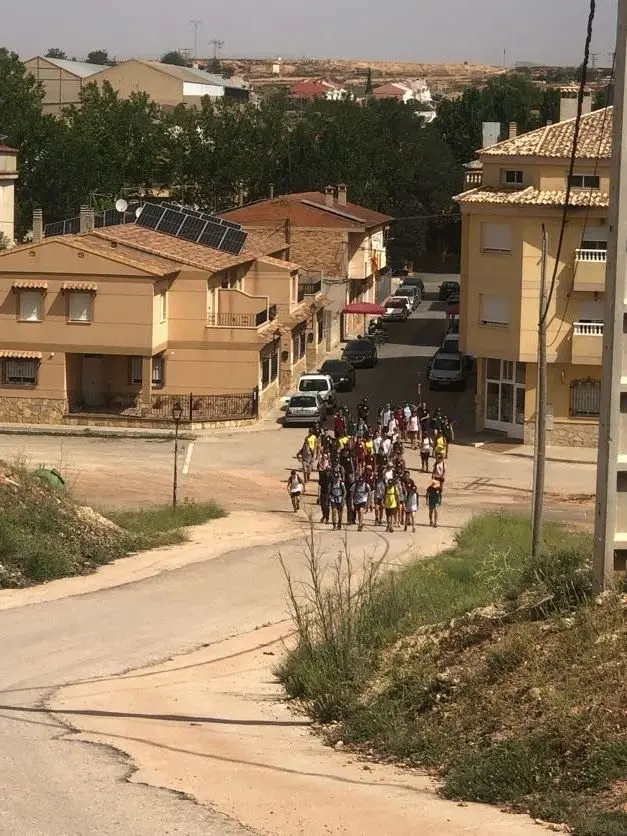
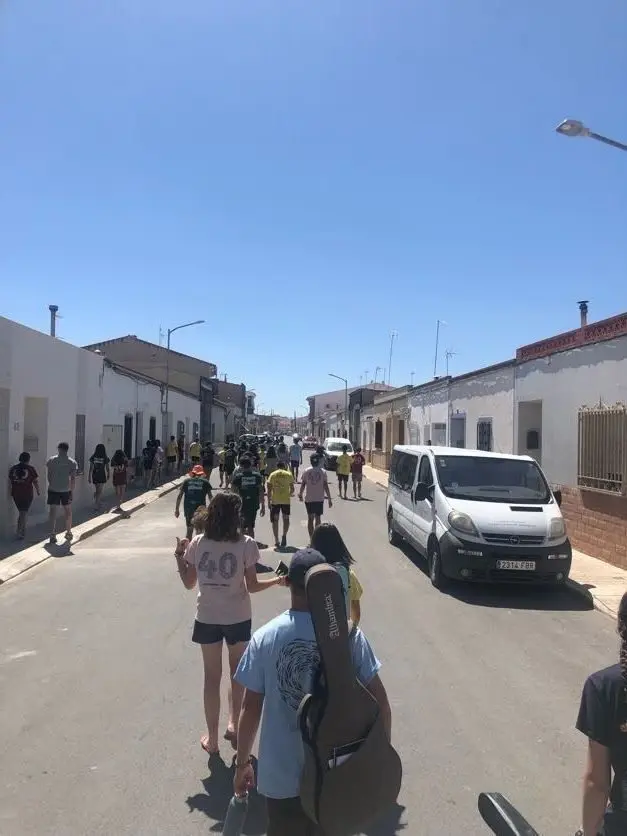
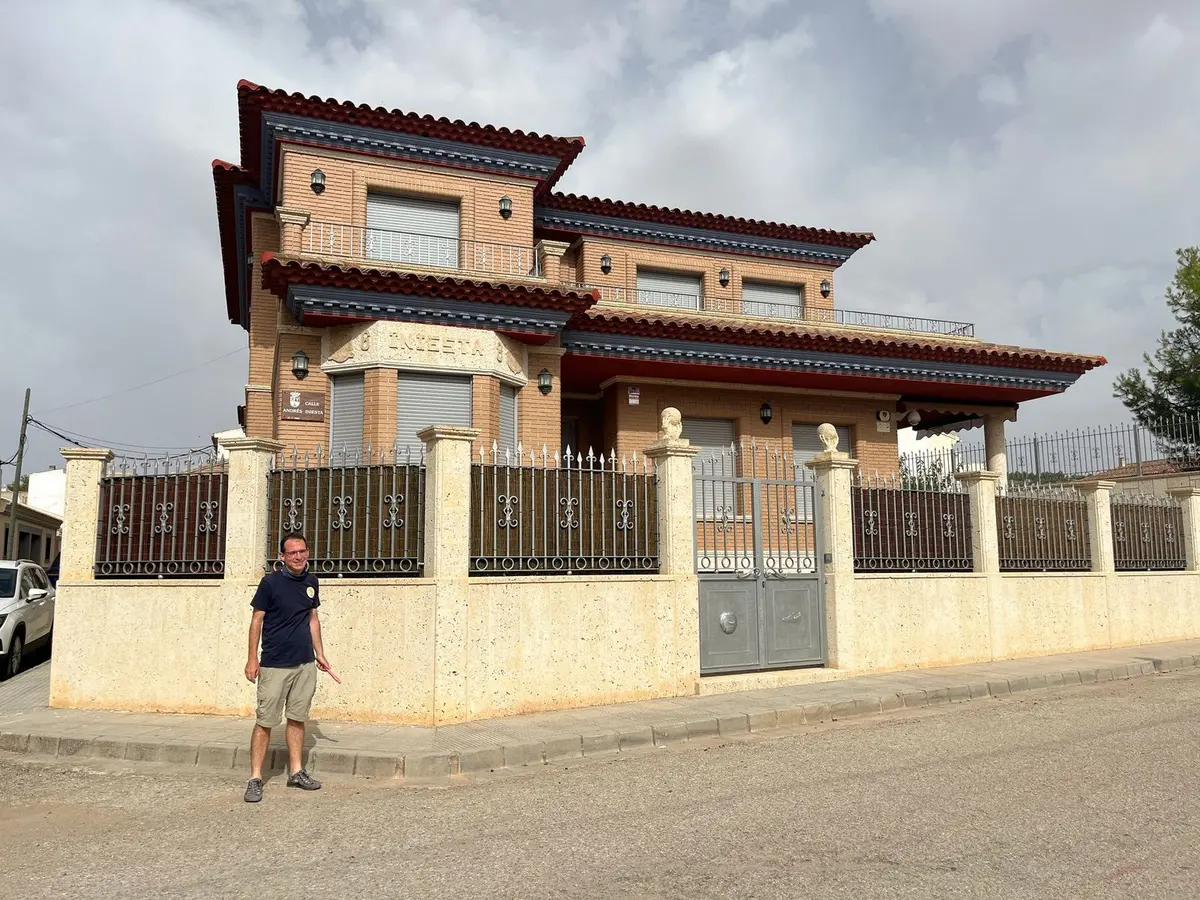
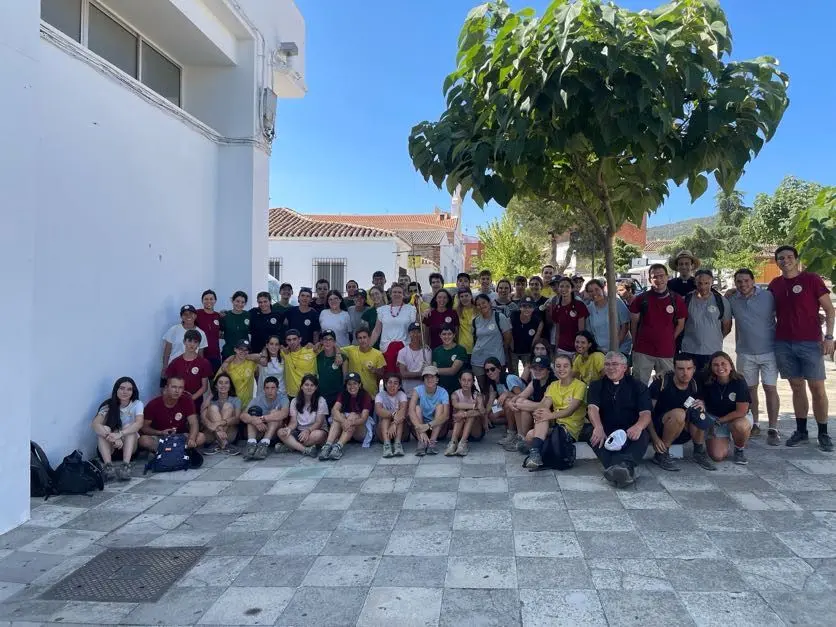
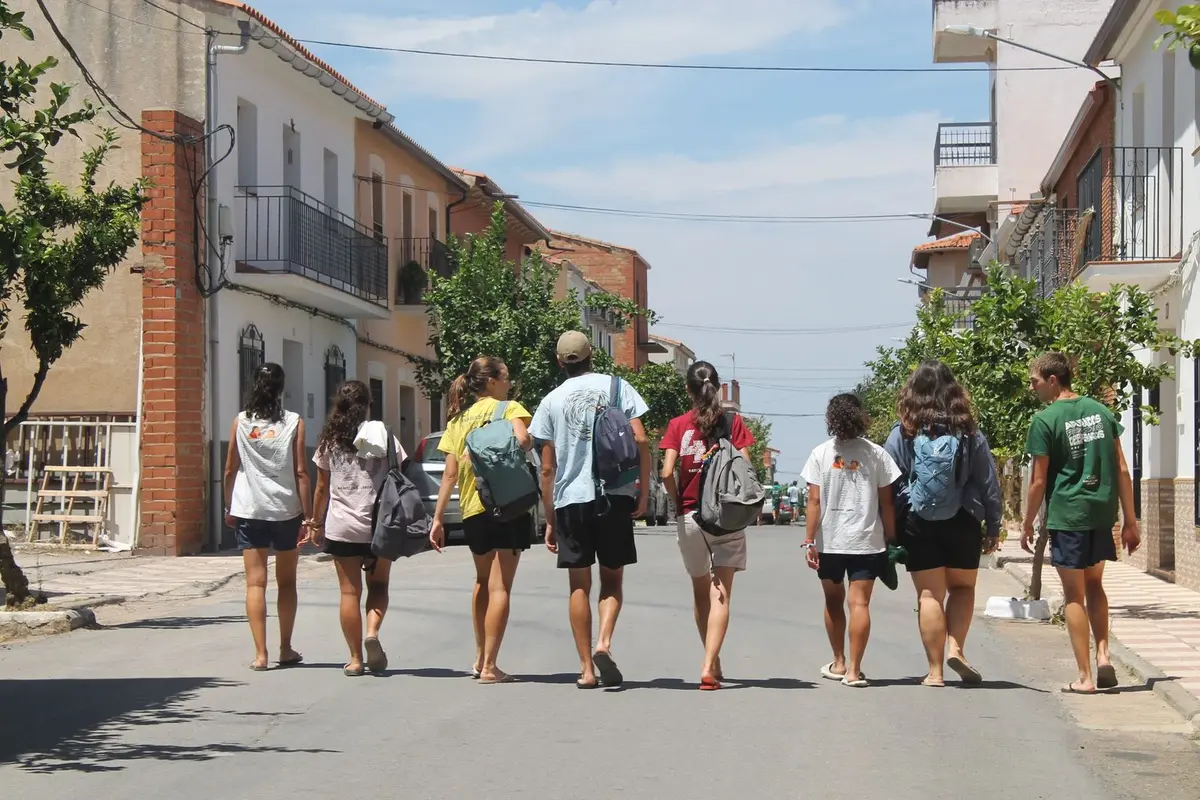
If one thing comes up in every chronicle, it is the welcome: parish priests who opened the church and stayed for dinner, parishioners who let the girls shower in their homes, sports halls and ice creams that fell from the sky. In Vinaròs and in Badajoz, the Little Sisters of the Abandoned Elderly welcomed them with a party, and in Tomelloso they slept in a Caritas centre that takes in seasonal workers. In Agudo, on 21 July, the mayor, Maribel, was waiting for them, and some sixty people from the village came to adoration and Mass; Carmen, a catechist, told them she had watched the commissioning Mass on 13tv. That evening they wrote: “we have received much more than we have given. Without a doubt, from now on Agudo will be our second home”. In Orellana la Vieja, the parish priest, Don Eugenio, knew the Virolai by heart and organised a collection for the rebuilding of Sant Rafael.
Portugal
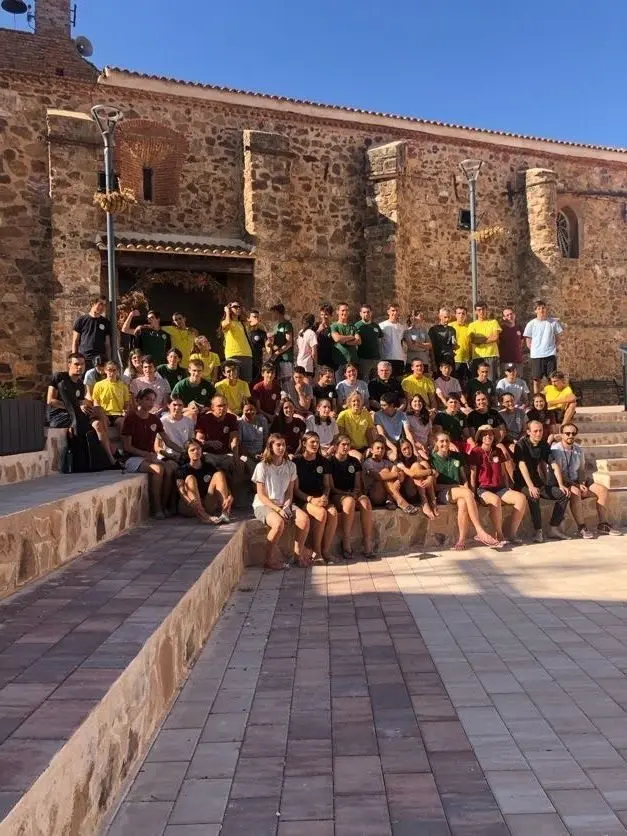
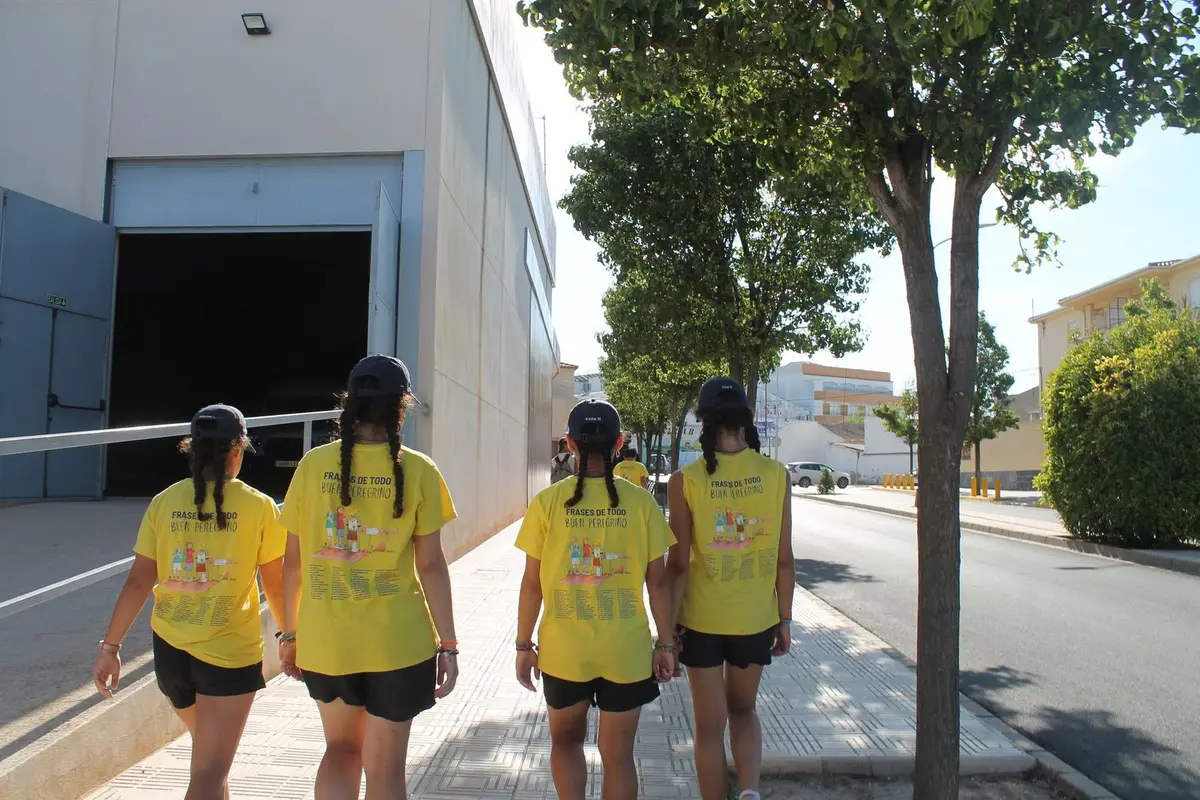
On 26 July twenty more pilgrims arrived from Barcelona to join them, and on the 29th, after Badajoz, they crossed the border. In Vila Fernando, their first home in Portugal, they celebrated Mass for the first time in a language that wasn’t their own, and the women of the village gave them handmade rosaries they had been preparing for six months. Portuguese television, RTP, filmed them arriving in Pavia; the police escorted them along the national road, and in Biscainho a “Benvinguts” (welcome) sign was waiting for them, written in Catalan and with the Sant Rafael logo.
Entering Lisbon
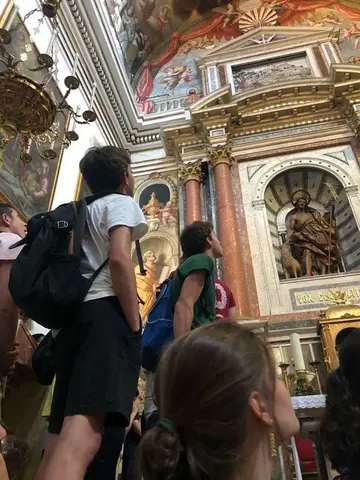
On 4 August they walked the last stage all together, the logistics team included: forty kilometres, many of them through industrial estates, because the outskirts of Lisbon never seemed to end. Half an hour from the cathedral some families were waiting for them and they prayed the rosary together; five hundred metres away they burst into “Dona toda tu vida”, which had already become the anthem of their pilgrimages, and in front of the cathedral they shouted “¡Esta es la juventud del Papa!”. The Mass of thanksgiving, packed tightly into the Blessed Sacrament chapel, brought more than one tear: “Many of us didn’t think we could do it, and here we are!”.
WYD
Then came the days of WYD. At the vigil, in sector B08 of the campus, more than a million people adored Jesus on their knees and in silence, and the Pope told them that falling doesn’t matter, that the only problem would be staying down. At the Sunday Mass, the Gospel of the Transfiguration left them with a question for the journey home: what will have changed in us, and what will we take home? The coach back stopped for the night in Talavera de la Reina, where the Augustinian nuns took them in.
“We come home renewed and converted; we hope you notice it in our service, in our joy and in our love for Jesus”, wrote Olga in the last chronicle, which closed the journal with a promise: it would open again, God willing, in Korea 2027.
Photos
 Enlarge the photo
Agudo (Ciudad Real) 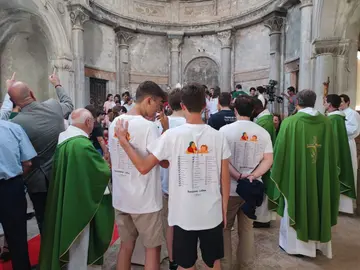 Enlarge the photo
 Enlarge the photo
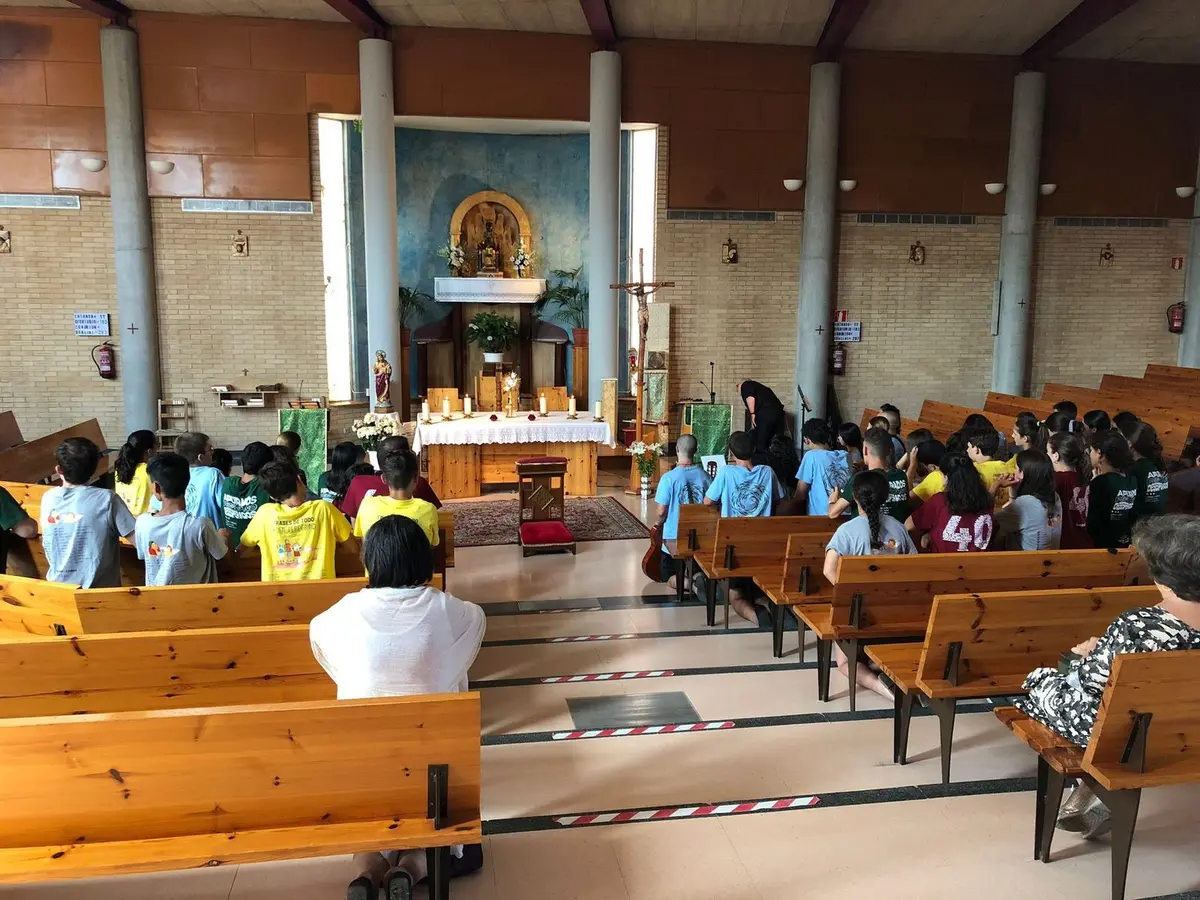
The commissioning Mass, presided over by Cardinal Joan Josep Omella, on 25 June 2023 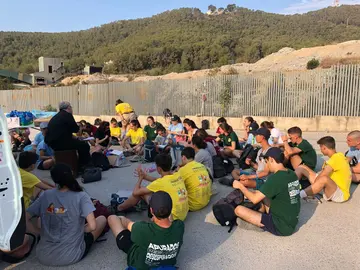 Enlarge the photo
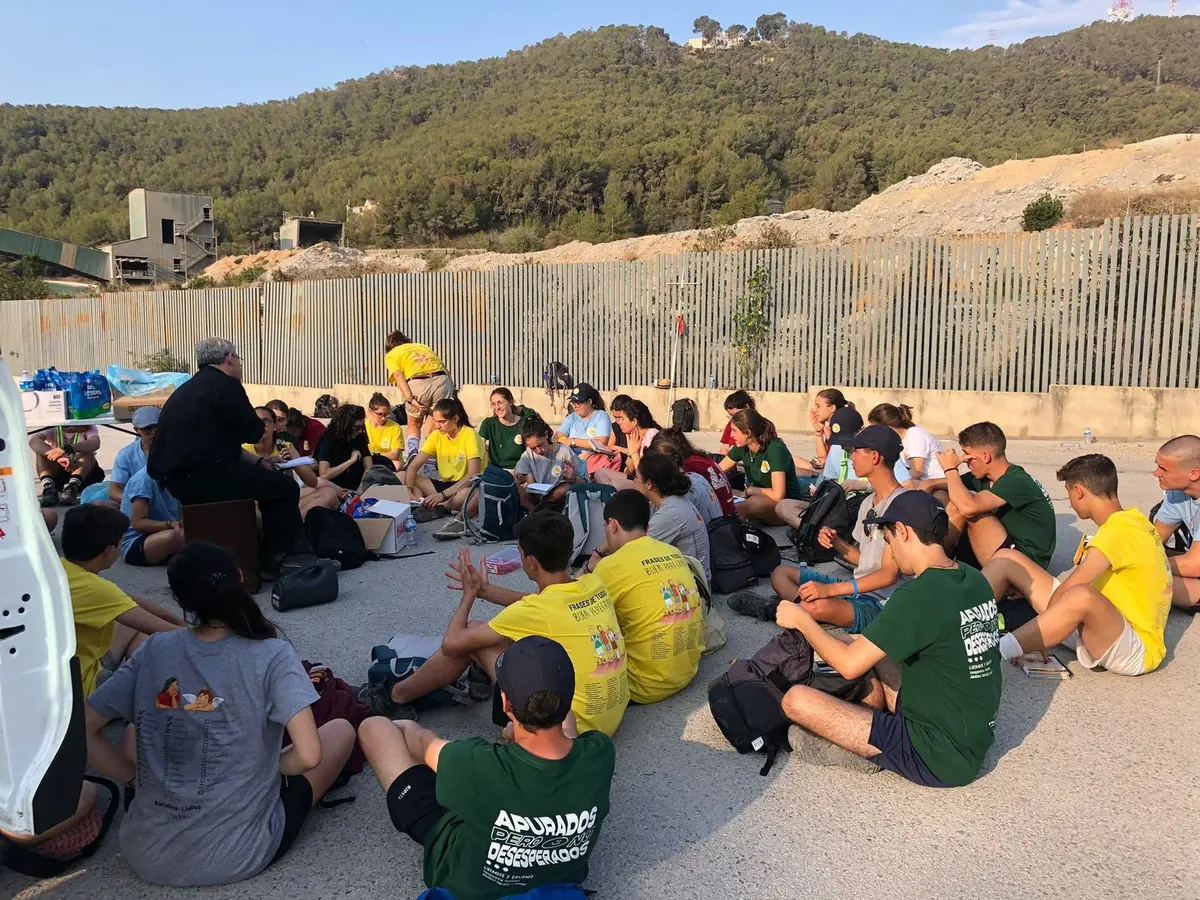
Beside the Promsa quarry, crossing the Garraf, on 27 June 2023  Enlarge the photo
 Enlarge the photo
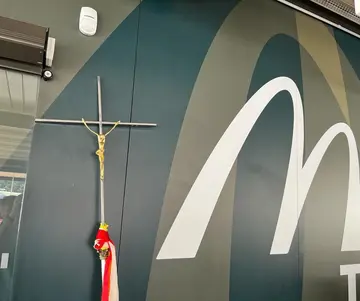
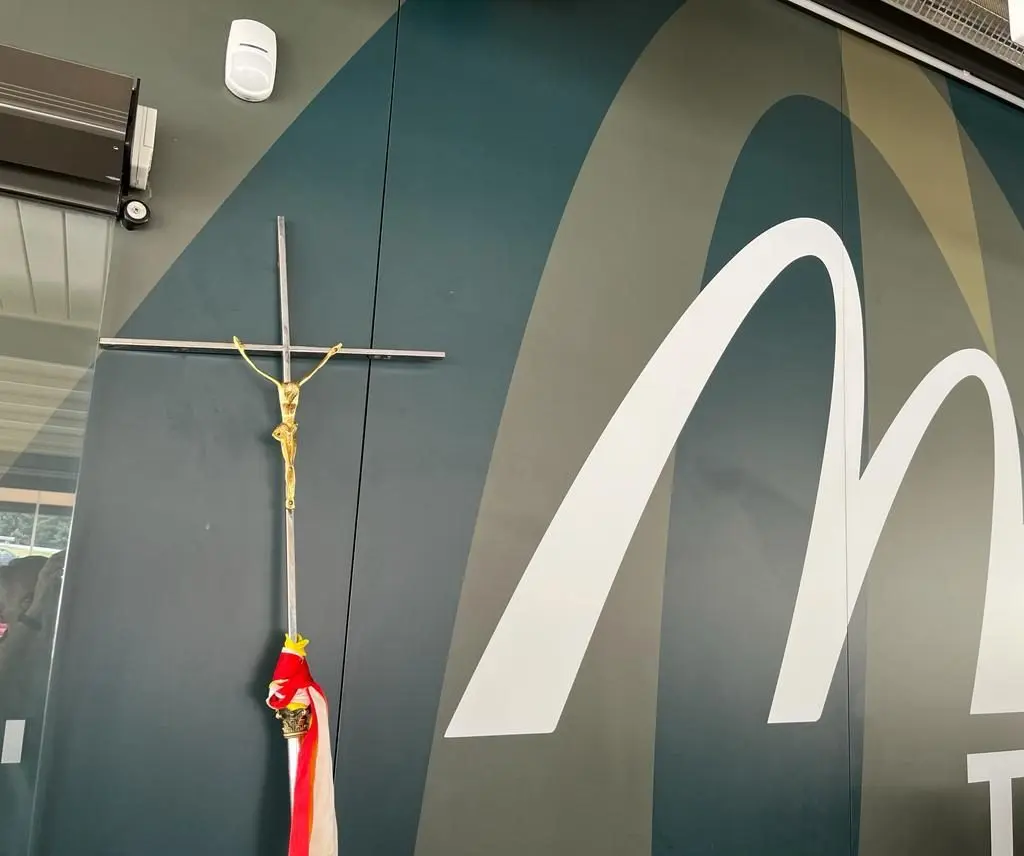
Lunch stop at a McDonald’s on the way to Altafulla, on 28 June 2023 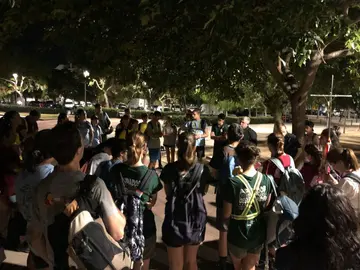 Enlarge the photo
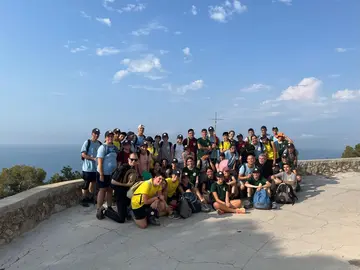 Enlarge the photo
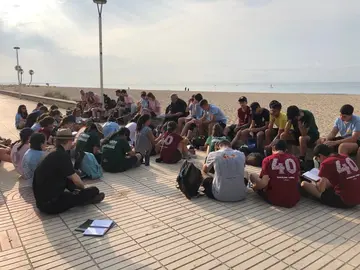 Enlarge the photo
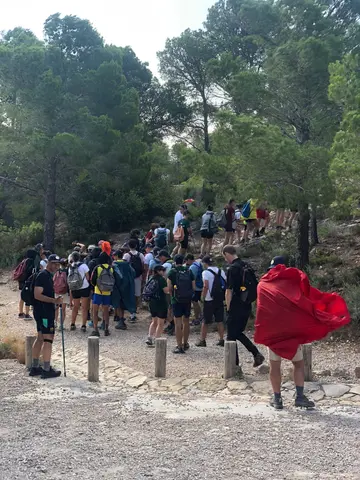 Enlarge the photo
A very windy day on the Tarragona coast, on 30 June 2023 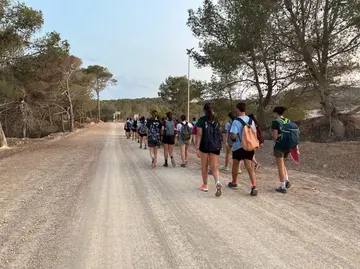 Enlarge the photo
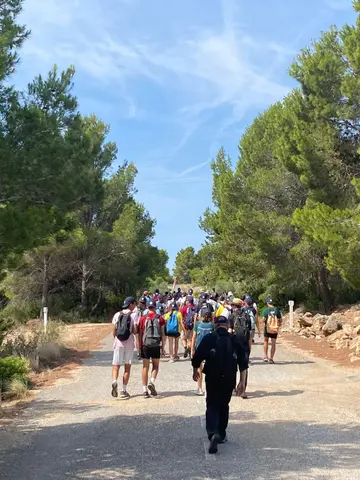 Enlarge the photo
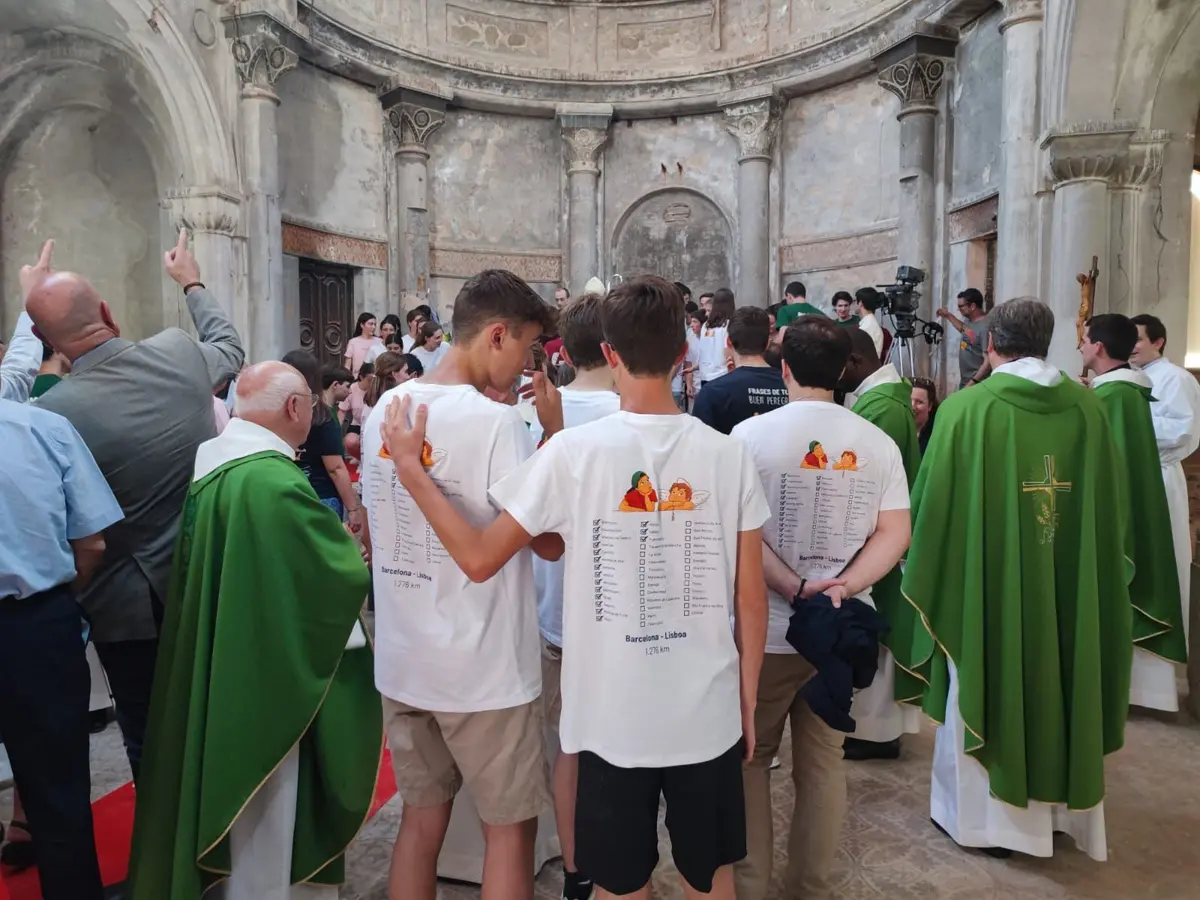
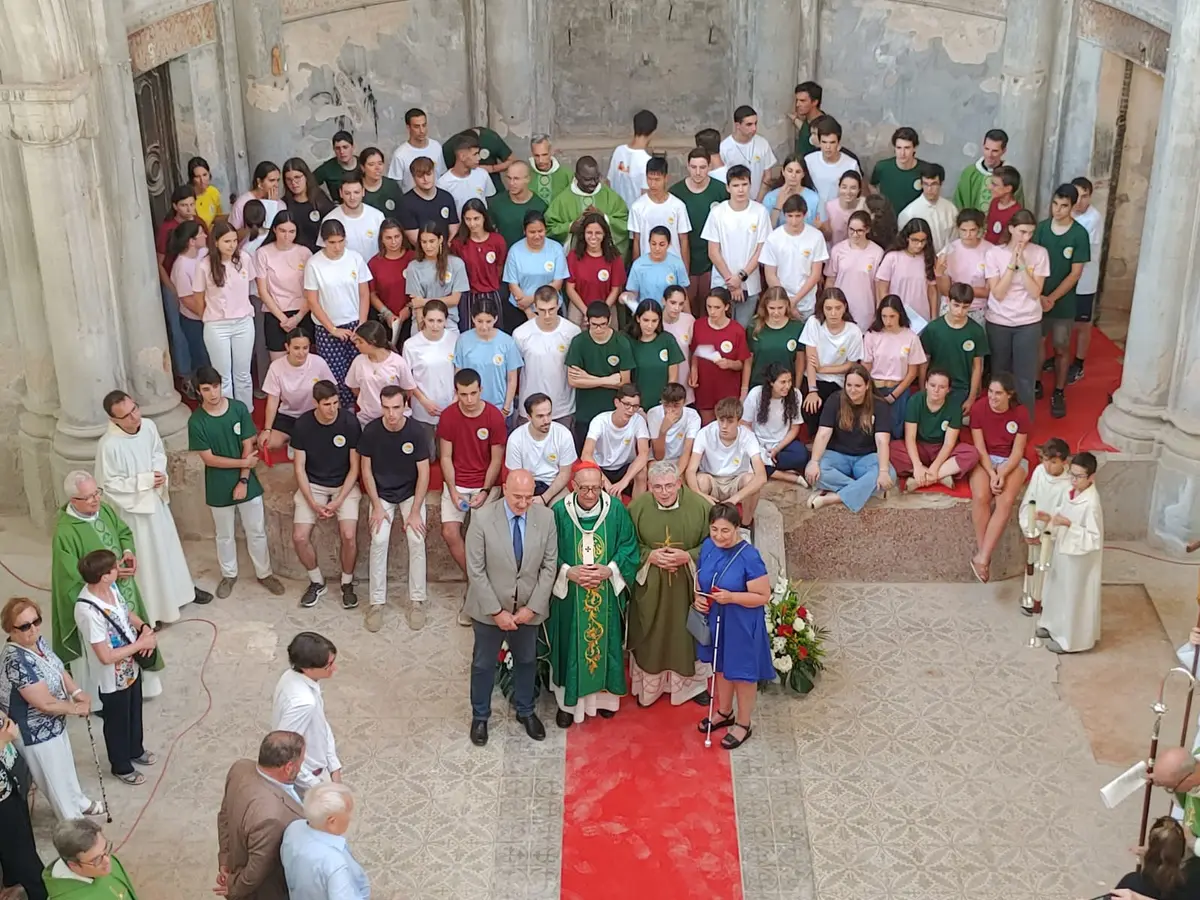
See all 75 photosSee fewer
 Enlarge the photo
 Enlarge the photo
 Enlarge the photo
 Enlarge the photo
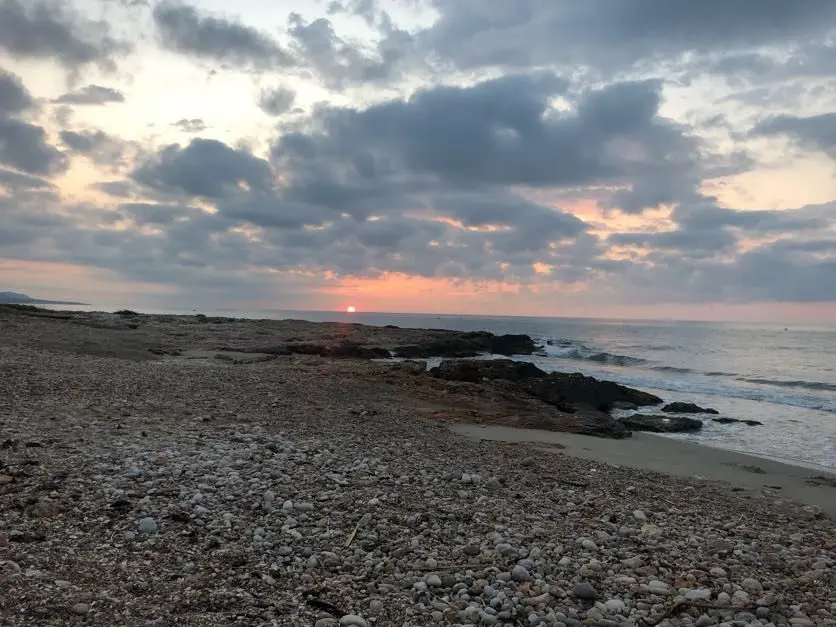
Along the rocky coast, after Peñíscola, on 3 July 2023 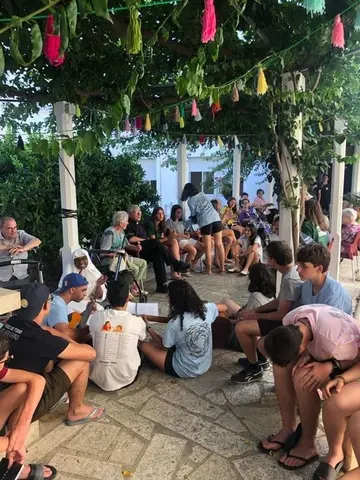 Enlarge the photo
 Enlarge the photo
 Enlarge the photo
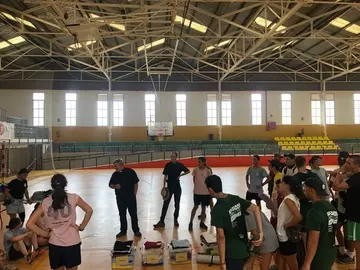 Enlarge the photo
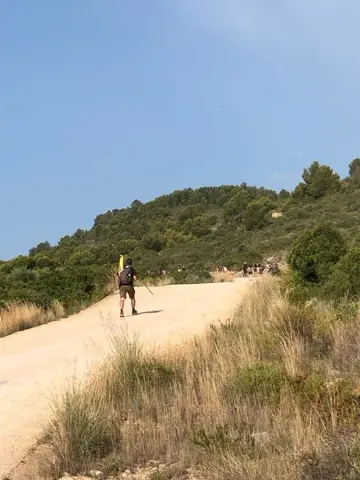 Enlarge the photo
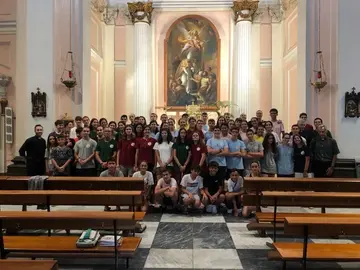 Enlarge the photo
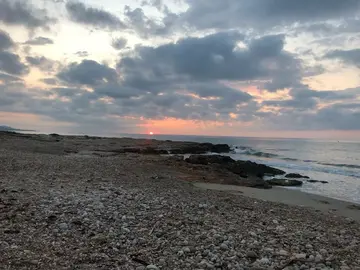 Enlarge the photo
 Enlarge the photo
Riba-roja de Túria, 7 July 2023 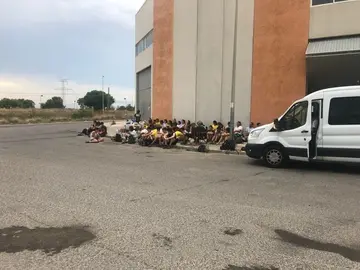 Enlarge the photo
 Enlarge the photo
 Enlarge the photo
 Enlarge the photo
 Enlarge the photo
 Enlarge the photo
 Enlarge the photo
 Enlarge the photo
 Enlarge the photo
 Enlarge the photo
 Enlarge the photo
 Enlarge the photo
 Enlarge the photo
 Enlarge the photo
 Enlarge the photo
 Enlarge the photo
 Enlarge the photo
 Enlarge the photo
 Enlarge the photo
 Enlarge the photo
 Enlarge the photo
 Enlarge the photo
 Enlarge the photo
 Enlarge the photo
 Enlarge the photo
 Enlarge the photo
 Enlarge the photo
 Enlarge the photo
 Enlarge the photo
 Enlarge the photo
 Enlarge the photo
 Enlarge the photo
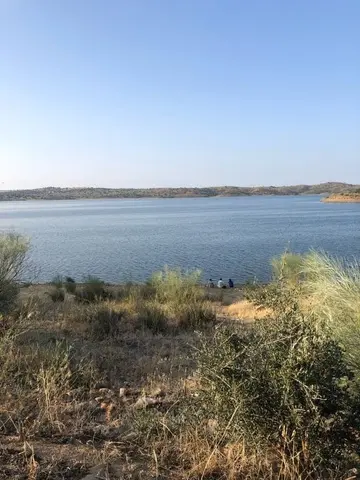
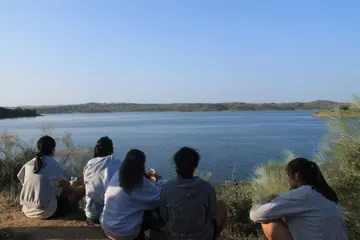
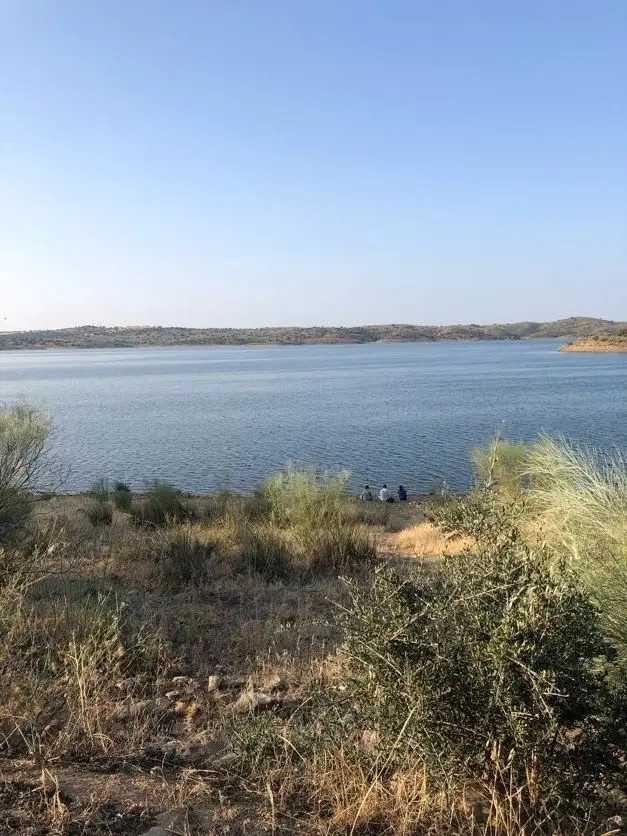
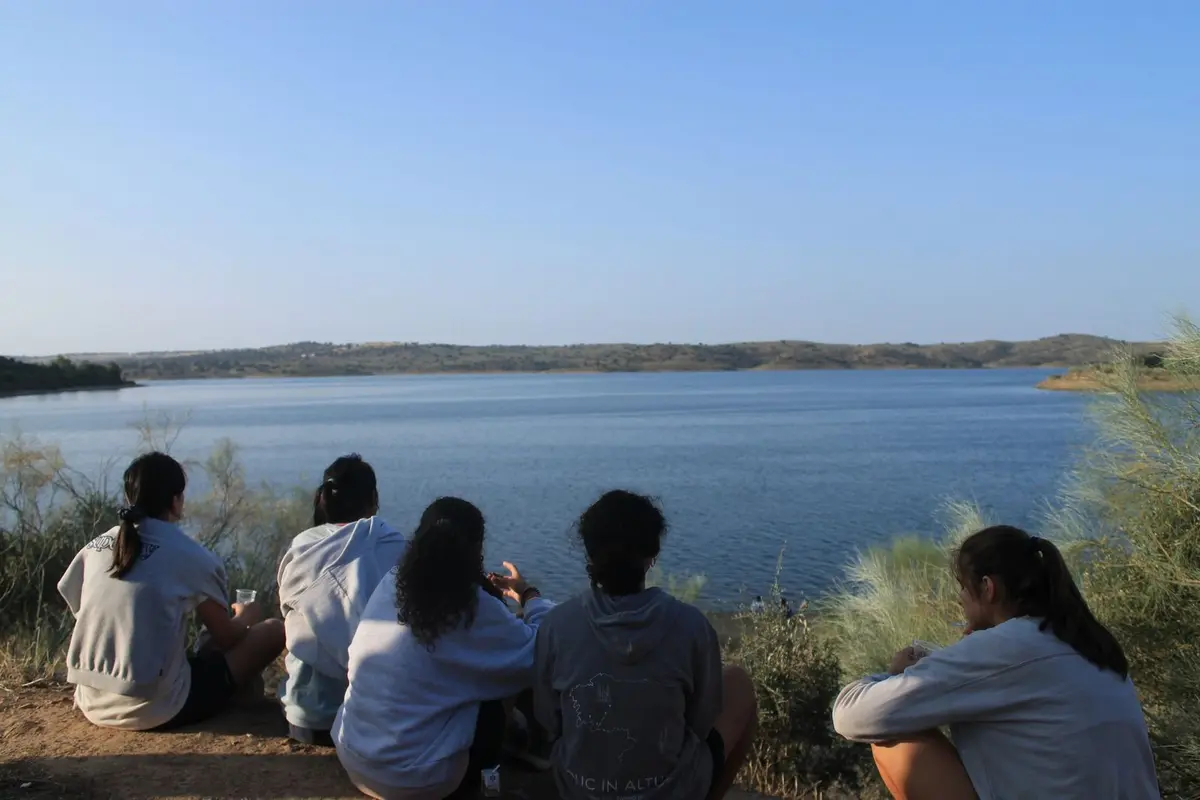
The Orellana reservoir, 23 July 2023 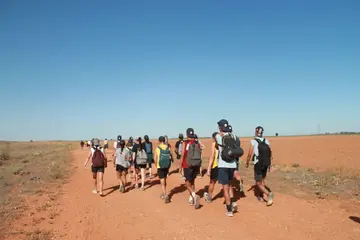 Enlarge the photo
 Enlarge the photo
 Enlarge the photo
 Enlarge the photo
 Enlarge the photo
 Enlarge the photo
 Enlarge the photo
 Enlarge the photo
 Enlarge the photo
 Enlarge the photo
 Enlarge the photo
 Enlarge the photo
 Enlarge the photo
 Enlarge the photo
 Enlarge the photo
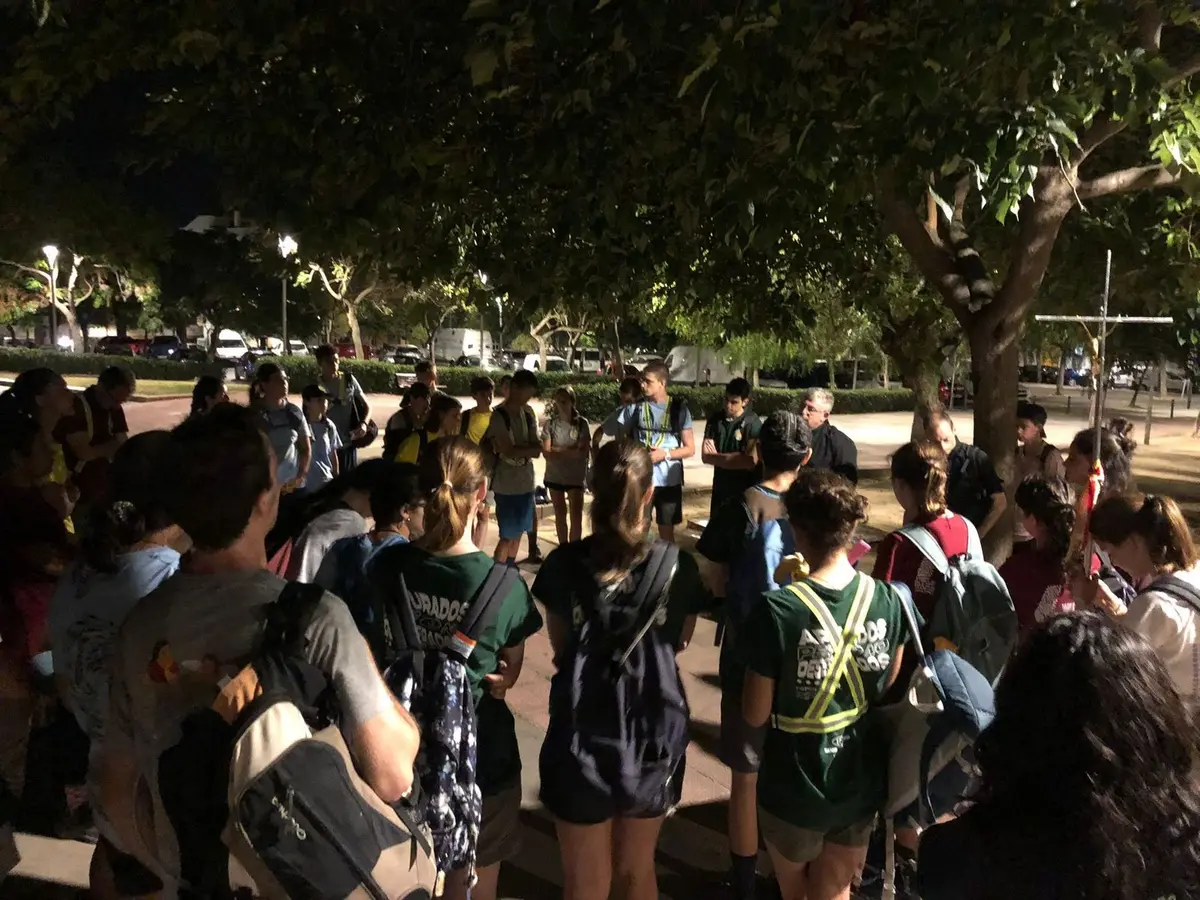
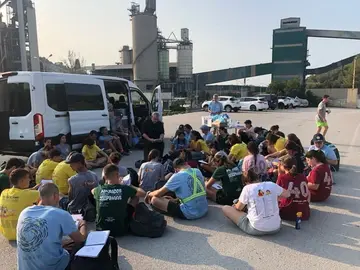
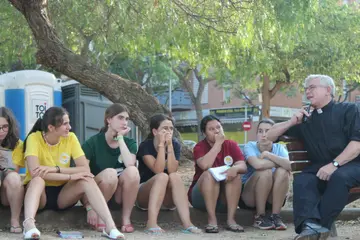
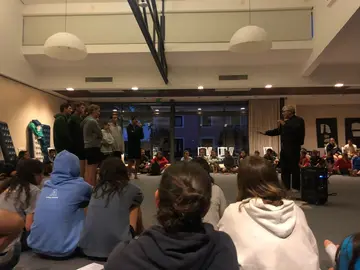
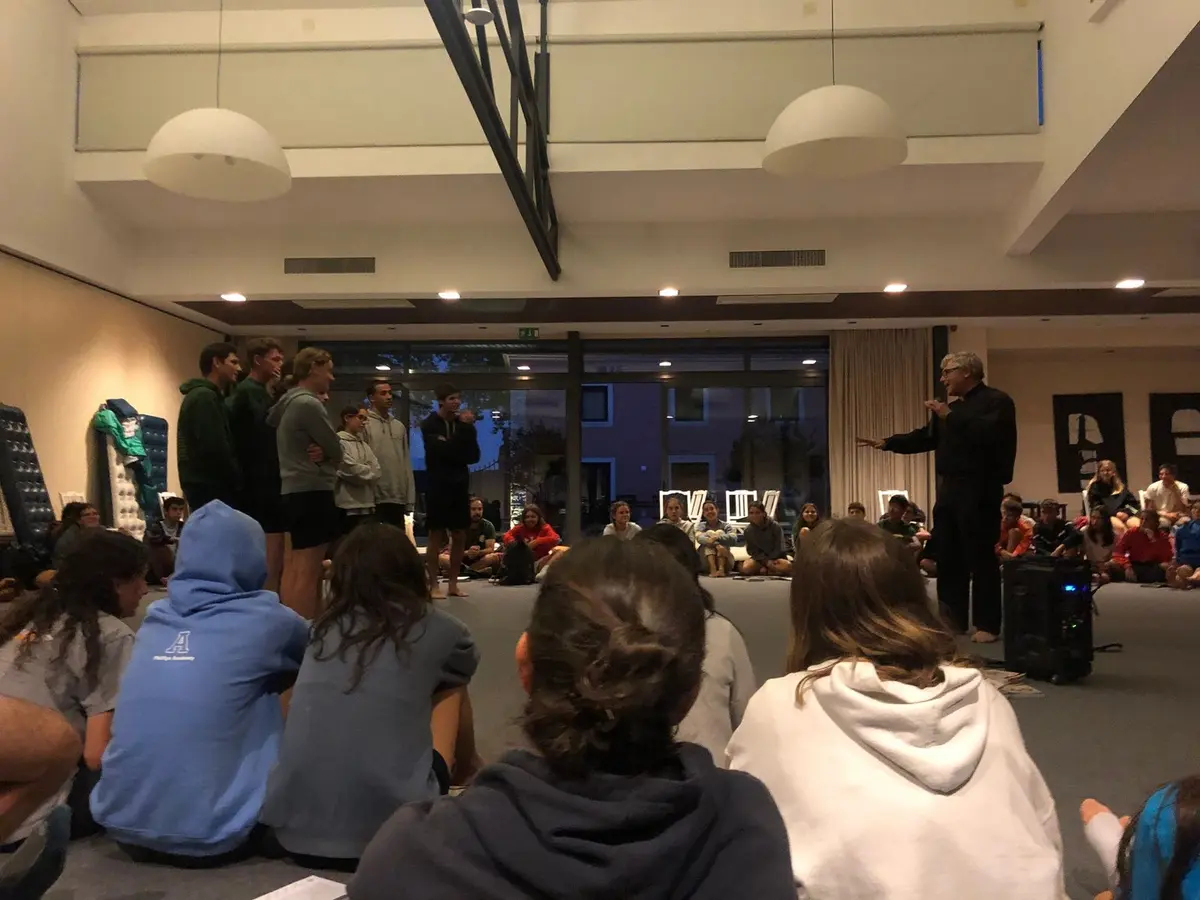
Evening talk in Vila Franca de Xira, 3 August 2023 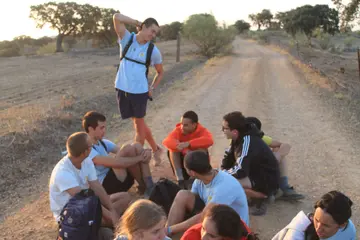 Enlarge the photo
 Enlarge the photo
 Enlarge the photo
 Enlarge the photo
How they lived it
“We come home renewed and converted”
It was a very beautiful ceremony. The silence that fell when Our Lord was exposed in the monstrance is one of the most impressive things you can experience. More than a million people on their knees, adoring Jesus and asking for his grace for all of us who were there. That night the Pope told us that the falls we have don’t matter, that the only problem would be staying down. With the love of Jesus we can always get up, however serious our faults have been.
Read it in full
[…]
The Sunday Holy Mass was really cool. Readings and prayers in several languages, an amazing choir and the words of the Pope, which always do us so much good. He referred to the Gospel of the day, the Transfiguration: it was so good at WYD that we would surely want to say, like the apostles, “how good it is to be here, let us make three tents”. But the important question is: what will we do when we get back? What will have changed in us? What will we take home after living these days of fraternity and communion?
[…]
We can’t wait to see you, hug you and tell you about the whole adventure! Get ready for a week of children telling anecdotes non-stop (or a week of children sleeping; it depends on each one’s style). Thank you for being with us these 40 days, thank you for the prayers and the love. You’ve been so present to us, you know that. We come home renewed and converted; we hope you notice it in our service, in our joy and in our love for Jesus.
Olga “1,300 km in 40 days? Have we gone mad?”
I’m Martí, a pupil in the 4th year of secondary school who has already been on several pilgrimages. Even so, when they told me we would go from Barcelona to Lisbon on foot for WYD, I thought they were pulling my leg. But when I saw they were serious, I couldn’t make sense of it. I thought: “1,300 km in 40 days? Have we gone mad?”. After thinking about it a lot, I signed up because I know it will be the experience of my life, since I will grow in my relationship with others and, above all, with God, who is the real reason I’m going.
Martí “We’ve been preparing it for many years, we carry many intentions in our hearts to offer up and there will be many opportunities to love others”
My name is Maria, I’m 25 and I work as a chemistry teacher. I came to Sant Mateu and Sant Rafael 11 years ago, and now I help out there as a youth club leader for the older group. The parish has given me a good group of friends to live the faith with and has helped me grow spiritually. I’m really looking forward to this pilgrimage to Lisbon because it will be special: we’ve been preparing it for many years, we carry many intentions in our hearts to offer up and there will be many opportunities to love others.
Maria
The chronicles
What we wrote along the way and afterwards, chronicle by chronicle.
- Chronicle of Monday 26 June26 June
- Chronicle of Tuesday 27 June27 June
- Chronicle of Wednesday 28 June28 June
- Chronicle of Thursday 29 June29 June
- Chronicle of Friday 30 June30 June
- Chronicle of Saturday 1 July1 July
- Chronicle of Sunday 2 July2 July
- Chronicle of Monday 3 July3 July
- Chronicle of Tuesday 4 July4 July
- Chronicle of Wednesday 5 July5 July
- Chronicle of Thursday 6 July6 July
- Chronicle of Friday 7 July7 July
- Chronicle of Saturday 8 July8 July
- Chronicle of Sunday 9 July9 July
- Chronicle of Monday 10 July10 July
- Chronicle of Tuesday 11 July11 July
- Chronicle of Wednesday 12 July12 July
- Chronicle of Thursday 13 July13 July
- Chronicle of Friday 14 July14 July
- Chronicle of Saturday 15 July15 July
- Chronicle of Sunday 16 July16 July
- Chronicle of Monday 17 July17 July
- Chronicle of Tuesday 18 July18 July
- Chronicle of Wednesday 19 July19 July
- Chronicle of Thursday 20 July20 July
- Chronicle of Friday 21 July21 July
- Chronicle of Saturday 22 July22 July
- Chronicle of Sunday 23 July23 July
- Chronicle of Monday 24 July24 July · Àlex
- Chronicle of Tuesday 25 July25 July
- Chronicle of Wednesday 26 July26 July
- Chronicle of Thursday 27 July27 July
- Chronicle of Friday 28 July28 July
- Chronicle of Saturday 29 July29 July
- Chronicle of Sunday 30 July30 July
- Chronicle of Monday 31 July31 July
- Chronicle of Tuesday 1 August1 August
- Chronicle of Wednesday 2 August2 August
- Chronicle of Thursday 3 August3 August
- Chronicle of Friday 4 August4 August
- Final chronicle from WYD7 August · Olga Nafría